


 Home
Home
How exactly do bacterial viruses, or phages, potentially interact with the human body to trigger Parkinson’s? Are there specific types of phages more likely to be involved? What evidence supports the link between phage invasion and the onset of Parkinson’s? Can these phages be detected early in the human body? And if phages are indeed a factor, what measures can we take to prevent or treat Parkinson’s?
Phage Invasion Alert: Could Bacterial Viruses Be Secretly Triggering Parkinson’s?
Related Encyclopedia
- 768-94-5
- C10H17N
- 151.25
- All (26)
- China (2)
- (26)
- 731747-58-3
- C10H17N
- 151.24900
- All (26)
- China (2)
- (26)
- 645-31-8
- C8H12BrNO2
- 234.09
- All (9)
- China (2)
- (9)
- 27686-41-5
- C10H19NO4S
- 249.32700
- All (1)
- China (0)
- (1)
- 1220710-22-4
- C11H15NO2
- 193.24200
- All (0)
- China (0)
- (0)
- 50673-96-6
- C8H9NO2
- 151.16
- All (0)
- China (0)
- (0)
- 65846-04-0
- C10H10F3NO3
- 249.18700
- All (0)
- China (0)
- (0)
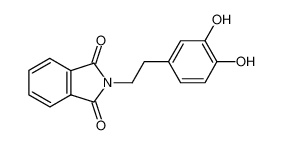
- 57894-18-5
- C16H13NO4
- 283.27900
- All (0)
- China (0)
- (0)
- 51079-99-3
- C8H11NO2+
- 154.18600
- All (0)
- China (0)
- (0)
- 1251958-94-7
- C26H21NO4
- 411.44900
- All (0)
- China (0)
- (0)
Related Products More >

- 768-94-5
- Request For Quotation
- 25kg/drum, customized
- 768-94-5
- Request For Quotation
- 768-94-5
- Request For Quotation
- 768-94-5
- Request For Quotation
- 768-94-5
- Request For Quotation
- 768-94-5
- Request For Quotation
- 768-94-5
- Request For Quotation
- 768-94-5
- Request For Quotation


There might be some specific phages that are more of a problem. The study found that in these databases from the Netherlands, UK, and Switzerland, they could find bits of viral genes, including phages that like to live in our gut bacteria. And get this— in the Netherlands, where they have a lot of livestock, they found more types of phages and other viruses in Parkinson’s patients’ brains than in other countries. So it seems like certain environmental things might bring in these bad - news phages.
As for the proof that phages and Parkinson’s are linked, they did this gene - expression analysis. In the brains of people with Parkinson’s, the genes of these phages and the genes related to Parkinson’s seemed to have an opposite relationship. No matter what type of phage it was, they all seemed to mess with genes that are important for things like making dopamine, dealing with stress in cells, and whether cells live or die. That means these phages might stop our brain from making dopamine, stir up stress in our cells, and make cells die, which makes us more likely to get Parkinson’s.
Right now, there’s no word on how we can tell early if these phages are in our bodies. But if they’re really a cause, we can start with simple things like making sure we poop regularly, fixing constipation, upgrading those old dry toilets in the countryside, and cleaning up the environment. For treating it, scientists are gonna look more into how phages act in our brains, how they interact with our cells, and try to make drugs that can fight them. Maybe that’ll give us better ways to deal with Parkinson’s in the future.
Phages (bacterial viruses) might sneak into our brains through a “backdoor”—the gut-brain axis. Think of it like this: Long-term constipation or living in rural areas (where phages are everywhere) could cause a phage explosion in your gut. These phages then hitch a ride with bacteria into your bloodstream, cross the blood-brain barrier, and camp out in your brain’s dopamine-producing cells (midbrain substantia nigra). Once there, they start messing with genes related to dopamine production, inflammation, and cell death, eventually killing neurons and triggering Parkinson’s. It’s like a slow-motion viral invasion.
Q2: Are specific phages involved?
Yes! The study found that phages targeting gut bacteria (like Lactococcus or Bifidobacterium) are the main suspects. In Parkinson’s patients’ brains, they detected higher levels of these phages compared to healthy folks. Plus, countries with intensive livestock farming (like the Netherlands) had more diverse phage types in patients’ brains, suggesting diet/environment plays a role.
Q3: What’s the evidence?
The team analyzed brain samples from 118 Parkinson’s patients and 111 healthy people. They found phage DNA in patients’ brains—and guess what? Phage gene activity was inversely linked to genes that control dopamine synthesis. That means the more phages were active, the worse the dopamine production got. They also saw signs of oxidative stress (like cell rust) and apoptosis (cell suicide) in dopamine neurons—classic Parkinson’s hallmarks.
Q4: Can we detect phages early?
Not yet reliably. But the study hints at “phage biomarkers” in stool or blood tests. If future research nails down specific phage strains linked to Parkinson’s, we could screen high-risk groups (like rural folks or constipation sufferers) before symptoms show up.
Q5: How to prevent/treat it?
Prevention: Fix constipation (eat fiber, poop daily!), upgrade rural toilets to reduce phage exposure, and maybe avoid raw meat (a phage reservoir).
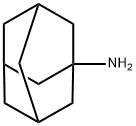
Treatment: The drug amantadine (used for Parkinson’s) might work by blocking phages from infecting brain cells. More antiviral drugs targeting phages could be next.
Bottom line: Phages aren’t just “germ killers”—they might be silent neurotoxins. Time to rethink our microbiome war!