


 Home
Home
Hi, I'd like to ask—does bleach evaporate? How does sodium hypochlorite in bleach break down over time? Does evaporation reduce the concentration of active disinfectant ingredients? Can heat speed up bleach evaporation? Is the vapor from evaporated bleach a health hazard? Thanks!
Does Bleach Evaporate Due to Sodium Hypochlorite Instability? ,Bleach,Sodium Hypochlorite,Evaporation,Volatility,Disinfectants
Related Encyclopedia
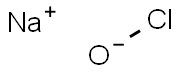
- 7681-52-9
- ClNaO
- 74.44
- All (22)
- China (20)
- (22)
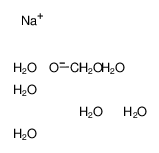
- 64131-03-9
- ClH14NaO8
- 200.54900
- All (0)
- China (0)
- (0)
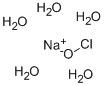
- 10022-70-5
- NaClO.5H2O
- 165.53
- All (0)
- China (0)
- (0)
Related Products More >

- 7681-52-9
- CNY 450.0000
- 1ton
- 7681-52-9
- CNY 650.0000
- 1ton
- 7778-54-3
- USD 50.0000
- 45kg
- 7778-54-3
- Request For Quotation
- 7681-52-9
- Request For Quotation
- 100g;1kg;25g
- 7681-52-9
- Request For Quotation
- 25kg/drum
- 7681-52-9
- Request For Quotation
- 25KG/Bag
- 7681-52-9
- Request For Quotation
- 1kg/bag,25kg/drum,25kg/bag


Sodium hypochlorite is inherently unstable and breaks down through multiple processes. One of the main ways it decomposes is through photolysis, which occurs when it's exposed to light. Ultraviolet (UV) rays from sunlight or even artificial lighting can initiate a reaction where the NaClO molecules absorb energy. This energy disrupts the chemical bonds within the sodium hypochlorite, causing it to break apart into simpler substances such as sodium chloride (NaCl), oxygen (O₂), and chlorine gas (Cl₂). Another important decomposition pathway is hydrolysis. When sodium hypochlorite comes into contact with water molecules, either within the bleach solution or from moisture in the air, it reacts to form hypochlorous acid (HClO) and sodium hydroxide (NaOH). Hypochlorous acid is also unstable and can further break down into other compounds, ultimately reducing the amount of active disinfectant available in the bleach.
The evaporation of water from bleach doesn't directly reduce the concentration of the active disinfectant in the way you might think of simple dilution. At first, as water evaporates, the remaining solution might seem more concentrated because the ratio of sodium hypochlorite to the remaining liquid increases. But this apparent increase in concentration is misleading. As time goes on, the sodium hypochlorite continues to decompose regardless of the water content. As it breaks down into inactive byproducts like sodium chloride and releases gases such as chlorine, the actual disinfecting power of the bleach diminishes significantly. For example, consider a half-full bottle of bleach that's been left open in a warm, sunny room for several weeks. The water level has dropped due to evaporation, but the bleach has also decomposed so much that it's now far less effective at killing bacteria, removing stains, or disinfecting surfaces compared to when it was first opened.
Heat has a profound impact on the decomposition rate of sodium hypochlorite in bleach, often being confused with speeding up evaporation. When bleach is exposed to elevated temperatures, whether it's stored in a hot attic, near a radiator, or left in a car on a sunny day, the increased thermal energy provides the molecules with more kinetic energy. This extra energy allows the chemical reactions that break down sodium hypochlorite to occur at a much faster pace. A relatively small increase in temperature can lead to a substantial acceleration in the decomposition process. For instance, if bleach is stored at a typical room temperature of around 20°C, it might retain a reasonable level of potency for several months. But if that same bottle of bleach is stored at 35°C or higher, it could lose half of its active ingredient concentration within just a few weeks. The heat-accelerated decomposition not only makes the bleach less effective for cleaning and disinfecting but also increases the release of chlorine gas, which can be hazardous.
The vapor released during the decomposition of bleach or the evaporation of its water component can pose significant health risks. The chlorine gas released as sodium hypochlorite breaks down is a highly irritating substance. Even low concentrations of chlorine vapor in the air can cause immediate discomfort when inhaled. It can irritate the eyes, nose, throat, and lungs, leading to symptoms such as coughing, sneezing, a burning sensation in the respiratory tract, and watery eyes. Prolonged or repeated exposure to these vapors can have more serious consequences. For individuals with pre-existing respiratory conditions like asthma, chronic obstructive pulmonary disease (COPD), or bronchitis, inhaling bleach vapors can trigger severe attacks and worsen their condition. Moreover, if bleach is mixed with certain other cleaning products, such as ammonia, the chemical reaction produces even more dangerous gases like chloramine, which can cause significant lung damage and other serious health issues. Even in a well-ventilated area, when using bleach, it's crucial to take precautions. Opening windows or using exhaust fans can help disperse the vapors and reduce the concentration of potentially harmful gases in the air. Wearing protective gear like gloves and a mask can also minimize the risk of direct contact with the bleach solution and inhalation of the vapors.
Proper storage of bleach is essential for maintaining its effectiveness and ensuring safety. Always store bleach in a cool, dark place, away from any sources of heat or light. A cabinet in a basement or a cool utility closet is an ideal storage location. Keep the container tightly sealed when not in use. This prevents air and moisture from entering the bottle, which can speed up the decomposition of sodium hypochlorite. Check the expiration date on the bleach bottle, as most commercial bleaches have a limited shelf life, especially after being opened. Typically, bleach is only guaranteed to be effective for about 6 - 12 months after opening. If you notice a significant change in the smell of the bleach (other than the normal chlorine odor), a change in color, or if it seems less effective when used, it's likely that the sodium hypochlorite has decomposed to a point where the bleach should be discarded. When using bleach for cleaning or disinfecting, always follow the manufacturer's instructions regarding dilution. Using a more concentrated solution than recommended not only doesn't necessarily make it more effective but also increases the risk of harmful vapor release and potential damage to surfaces. Different surfaces and cleaning tasks require specific dilution ratios to ensure proper disinfection while minimizing the risk of harm to the surface and to those using the bleach. For example, when cleaning kitchen countertops, a certain dilution ratio might be recommended to effectively kill germs without damaging the material. When disinfecting bathroom fixtures, another ratio might be more appropriate. Understanding these nuances and following the guidelines carefully is key to using bleach safely and effectively.
The water within the bleach solution is indeed volatile and can gradually turn into vapor and disperse into the air. This is similar to how water in any liquid evaporates when exposed to the atmosphere. However, bleach's active ingredient, sodium hypochlorite, behaves differently. Sodium hypochlorite itself doesn't truly "evaporate" in the traditional sense; instead, it breaks down over time through chemical reactions. When bleach is exposed to the elements, sodium hypochlorite starts to decompose. One of the main ways this occurs is through hydrolysis. In the presence of water, sodium hypochlorite reacts with the H2O molecules in the solution. This reaction leads to the formation of hypochlorous acid (HOCl) and sodium hydroxide (NaOH). Hypochlorous acid is the key compound responsible for bleach's disinfectant properties, as it can penetrate the cell walls of bacteria, viruses, and other microorganisms and disrupt their internal functions, effectively killing them.
But HOCl is also relatively unstable, especially when exposed to light and heat. When light shines on the bleach solution, a process called photodegradation takes place. The energy from the light photons initiates further chemical changes in the HOCl. It decomposes into chloride ions, water, and oxygen. As these reactions progress, the amount of active hypochlorous acid in the bleach decreases. This means that even if the water in the bleach evaporates to some extent, making the remaining solution more concentrated in theory, the actual concentration of the active disinfectant ingredient is being depleted due to the decomposition of sodium hypochlorite.
For instance, if you leave an open bottle of bleach on a windowsill where it's exposed to sunlight, not only will the water start to evaporate, but the sodium hypochlorite will break down much faster. The combination of water evaporation and chemical decomposition means that after a few days or weeks, the bleach will be far less effective at killing germs and cleaning surfaces. In a more practical scenario, a half - used bottle of bleach that has been sitting open in a laundry room for an extended period might still look like a liquid, but its ability to disinfect clothes or clean the washing machine will have significantly diminished.
Heat has a dual impact on bleach. On one hand, it speeds up the evaporation of water. Just like heating water in a pot on the stove causes it to boil and turn into steam more quickly, increasing the temperature around a container of bleach will make the water within it evaporate faster. On the other hand, heat also accelerates the chemical decomposition of sodium hypochlorite. Higher temperatures provide the energy needed for the chemical reactions to occur more rapidly. So, if bleach is stored near a heating vent or in a hot garage during the summer, the decomposition of sodium hypochlorite will happen at an accelerated rate. This not only reduces the bleach's disinfecting power but also means that it will have a shorter shelf - life.
The vapor that results from bleach evaporation can pose health risks. When bleach decomposes, there's a potential for the release of chlorine gas, especially if the bleach comes into contact with acidic substances. Chlorine gas is highly irritating to the respiratory system. Inhalation of even small amounts of chlorine gas can cause coughing, a burning sensation in the throat and lungs, and shortness of breath. Prolonged exposure or inhalation of high concentrations can lead to more serious health problems, including damage to the lining of the lungs, which can cause fluid buildup and respiratory distress. Additionally, the sodium hydroxide formed during the decomposition of sodium hypochlorite is a caustic substance. If the vapor containing particles of sodium hydroxide comes into contact with the skin or eyes, it can cause irritation, redness, and in severe cases, chemical burns.
To avoid these risks, it's essential to use bleach properly. Always ensure that the area where bleach is being used is well - ventilated. This could mean opening windows or using fans to circulate the air. When storing bleach, keep it in a cool, dark place with a tightly sealed cap. This helps slow down both the evaporation of water and the decomposition of sodium hypochlorite, preserving the bleach's effectiveness for longer. Also, never mix bleach with other cleaning products, especially those containing acids like vinegar or ammonia. Mixing bleach with these substances can lead to the rapid release of large amounts of chlorine gas, creating a very dangerous situation. By understanding how bleach behaves and taking these precautions, you can use it safely and effectively for all your cleaning and disinfecting needs.
The breakdown of sodium hypochlorite in bleach is a gradual process influenced by various factors. Over time, sodium hypochlorite decomposes into other compounds. This decomposition is accelerated by exposure to light, heat, and certain chemical interactions. For instance, when bleach is stored in a clear container and exposed to sunlight, the ultraviolet rays can catalyze the breakdown of sodium hypochlorite. Similarly, higher temperatures can increase the rate at which the active ingredients in bleach decompose. The presence of organic materials or metal ions can also contribute to the degradation process. The chemical reaction involved in the decomposition of sodium hypochlorite can be represented as 2HOCl → Cl₂ + H₂O + O₂. This reaction shows that chlorine gas is one of the byproducts, which can be released into the environment.
As bleach evaporates, the concentration of active disinfectant ingredients, such as sodium hypochlorite, is reduced. This reduction in concentration means that the bleach becomes less effective as a disinfectant. For example, a freshly prepared bleach solution with an initial concentration of 5.25% available chlorine may lose a significant portion of its active ingredients over time due to evaporation and decomposition. In practical terms, this means that a bleach solution left open to the air will gradually lose its ability to kill germs and disinfect surfaces. This is why it is recommended to use bleach shortly after it is prepared and to store it in a tightly sealed container to minimize evaporation.
Heat plays a significant role in the evaporation and decomposition of bleach. Higher temperatures increase the kinetic energy of the molecules in the solution, leading to faster evaporation of water and a quicker breakdown of sodium hypochlorite. For example, a bleach solution stored at room temperature may lose its effectiveness more slowly compared to one stored in a warmer environment. In fact, studies have shown that heated bleach can lose up to 5% of its strength in just a few hours. This highlights the importance of storing bleach in a cool, dark place to preserve its effectiveness for as long as possible.
The vapor released from evaporated bleach can pose health hazards. When bleach evaporates, it releases chlorine gas, which has a strong, pungent odor and can irritate the respiratory system, eyes, and skin. Inhalation of chlorine gas in significant amounts can lead to symptoms such as coughing, wheezing, and shortness of breath. In more severe cases, prolonged exposure to chlorine gas can cause respiratory distress and other serious health issues. Additionally, mixing bleach with other cleaning products, especially those containing ammonia, can produce highly toxic fumes. This combination can result in the release of chloramine gases, which are even more harmful than chlorine gas alone. Therefore, it is crucial to handle bleach with care, use it in well-ventilated areas, and avoid mixing it with other chemicals.
Understanding the evaporation and decomposition of bleach is important for both safety and effectiveness. The gradual loss of active ingredients means that bleach solutions should be prepared and used promptly. The release of potentially harmful vapors underscores the need for proper storage and handling practices. By recognizing these factors, individuals can better utilize bleach as a disinfectant while minimizing potential health risks.