


 Home
Home
Hi, I'd like to ask—Is sodium nitrate NaNO3 soluble in water? Does it dissolve quickly? Does the dissolution process absorb or release heat? Is the resulting solution acidic, basic, or neutral? What are the everyday applications of this solution? Thanks!
Is Sodium Nitrate NaNO3 Soluble in Water? What Are the Properties of the Solution?
Related Encyclopedia
- 1173022-53-1
- NNaO3
- 84.99100
- All (9)
- China (8)
- (9)
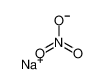
- 15621-57-5
- NNaO3
- 84.99470
- All (9)
- China (8)
- (9)
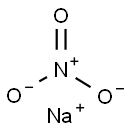
- 7631-99-4
- NNaO3
- 84.99
- All (9)
- China (8)
- (9)
- 32119-90-7
- DOT
- 22.02930
- All (50)
- China (13)
- (50)
- 20272-95-1
- DOT
- 21.02960
- All (50)
- China (13)
- (50)

- 358616-29-2
- H3O2
- 35.02260
- All (50)
- China (13)
- (50)
- 61468-85-7
- OT2
- 23.03120
- All (50)
- China (13)
- (50)
- 53774-37-1
- OT2
- 24.03130
- All (50)
- China (13)
- (50)
- 32113-92-1
- HOT
- 22.02320
- All (50)
- China (13)
- (50)
- 32119-89-4
- HOT
- 21.02310
- All (50)
- China (13)
- (50)
Related Products More >

- CNY Request For Quotation
- CNY Request For Quotation
- Request For Quotation
- 9003-05-8
- USD 30.0000
- 25kg
- 9003-05-8
- USD 30.0000
- 25kg
- 1336-21-6
- CNY 500.0000
- 1ton
- 7631-99-4
- CNY 5.0000
- 25g


The dissolution of sodium nitrate in water is an endothermic process. When the compound dissolves, energy is required to break the strong ionic bonds that hold the sodium and nitrate ions together in the solid lattice structure. This energy is called the lattice energy. At the same time, energy is released when the separated ions form hydration shells with water molecules, which is known as the hydration energy. In the case of sodium nitrate, the lattice energy is greater than the hydration energy. As a result, the overall process of dissolution requires an input of energy, which is absorbed from the surrounding environment. This absorption of heat leads to a decrease in the temperature of the solution. If you were to measure the temperature of the water before adding sodium nitrate and then again after the compound has dissolved, you would notice a distinct cooling effect. This endothermic property of sodium nitrate dissolution has practical applications. For instance, in some types of cold packs used for first - aid purposes, the reaction of sodium nitrate with water is exploited to create a cooling sensation, helping to reduce swelling and pain in injured areas. In laboratory settings, this endothermic process can also be used in simple cooling mixtures to lower the temperature of other substances during experiments.
When sodium nitrate dissolves in water, the resulting solution is neutral. This is because the sodium cation and the nitrate anion have very little impact on the concentration of hydrogen ions H+ and hydroxide ions OH− in the solution. The sodium cation is the conjugate acid of sodium hydroxide, a strong base. Strong bases dissociate completely in water, and their conjugate acids are very weak and do not react with water to produce hydrogen ions. Similarly, the nitrate anion is the conjugate base of nitric acid, a strong acid. Strong acids also dissociate completely in water, and their conjugate bases are extremely weak and do not react with water to produce hydroxide ions. Since neither the sodium cation nor the nitrate anion participates in significant hydrolysis reactions with water, the concentration of hydrogen ions and hydroxide ions in the solution remains in a state of equilibrium, resulting in a pH close to 7 under standard conditions.
Sodium nitrate and its aqueous solutions have numerous applications in everyday life and various industries. In the food industry, sodium nitrate has a long - standing history as a preservative, especially in cured meats. When added to products like ham, bacon, and sausages, it inhibits the growth of harmful bacteria, including Clostridium botulinum, which can cause serious foodborne illnesses. Additionally, sodium nitrate helps to maintain the characteristic red color of these cured meats, enhancing their visual appeal. However, the use of sodium nitrate in food has become a topic of concern in recent years. Under certain conditions, particularly during high - temperature cooking, sodium nitrate can react with amines in the meat to form nitrosamines, some of which are potentially carcinogenic. As a result, many food manufacturers have started to reduce the use of sodium nitrate in favor of other preservatives or have implemented strict control measures to minimize the formation of nitrosamines.
In agriculture, sodium nitrate is highly valued as a fertilizer. Nitrogen is an essential nutrient for plant growth, playing a crucial role in the synthesis of proteins, nucleic acids, and chlorophyll. The nitrate ion in sodium nitrate provides a readily available source of nitrogen for plants. When applied as a liquid fertilizer in the form of a sodium nitrate solution, the nitrate ions can be easily absorbed by the plant roots. This quick availability of nitrogen helps to correct nitrogen deficiencies in the soil, promotes the growth of lush, green foliage, and ultimately increases crop yields. However, the use of sodium nitrate as a fertilizer also requires careful management. Excessive application can lead to nitrate leaching, where the nitrate ions seep through the soil and contaminate groundwater, causing environmental problems.
In the manufacturing of glass and ceramics, sodium nitrate solutions play important roles. In glass production, sodium nitrate acts as a decolorizing agent and an oxidizing agent. During the melting process of glass, impurities such as iron oxides can cause the glass to have a greenish or brownish tint. Sodium nitrate reacts with these impurities, oxidizing them and converting them into forms that do not affect the color of the glass, thus improving its clarity. In the ceramics industry, sodium nitrate can be added to glazes and enamels. It helps to adjust the melting points of these materials, allowing for better control over the firing process and resulting in a smoother, more attractive finish on the ceramic products.
Sodium nitrate solutions also find applications in industrial metal treatment processes. In some heat - treating operations, such as quenching, where metals are rapidly cooled after being heated to high temperatures to improve their mechanical properties, sodium nitrate - based solutions may be used. The specific properties of the sodium nitrate solution, such as its heat - transfer characteristics and chemical stability, can help control the cooling rate of the metal, ensuring that it achieves the desired hardness, strength, and other properties. Moreover, in the field of analytical chemistry, although other nitrates are more commonly used, sodium nitrate can sometimes be employed to prepare standard solutions. These standard solutions are used for calibration purposes, helping to ensure the accuracy of chemical analyses and measurements.
Despite its useful applications, sodium nitrate must be handled with great care. As a strong oxidizer, it has the potential to react violently with combustible materials, such as organic substances, paper, and certain metals. If not stored properly, in a cool, dry place away from flammable materials, it can pose significant fire and explosion hazards. In all its applications, from food production to industrial use, strict safety regulations and guidelines must be followed to prevent accidents and ensure the safety of workers and the environment. In food applications, regulatory bodies set strict limits on the amount of sodium nitrate that can be used to balance its preservative benefits with potential health risks. In industrial settings, proper storage, handling, and waste - disposal procedures are essential to avoid environmental contamination and safety incidents.
The dissolution of sodium nitrate in water occurs relatively quickly. The speed of dissolution can be enhanced by several factors. When the sodium nitrate solid is in a fine - grained form, it has a larger surface area exposed to the water. More surface area means more contact between the solid and the solvent, allowing the water molecules to interact with the NaNO3 ions more rapidly and thus speeding up the dissolution process. Agitation, such as stirring the solution, also plays a crucial role. Stirring helps to disperse the dissolved ions away from the surface of the undissolved solid, preventing a concentration gradient from forming that could slow down further dissolution. This continuous renewal of the contact between the solid and fresh solvent molecules accelerates the overall dissolution rate.
The dissolution of sodium nitrate in water is an endothermic process. This means that energy is absorbed from the surroundings during the process. Breaking the ionic bonds in solid NaNO3 requires energy, as these bonds are quite strong. Additionally, energy is needed to rearrange the water molecules to hydrate the separated sodium and nitrate ions. Although some energy is released when the water molecules form attractions with the ions the hydration energy, the energy required to break the bonds and reorient the water molecules is greater. As a result, the temperature of the solution will decrease slightly as the sodium nitrate dissolves. In a laboratory setting, this temperature drop can be measured using a thermometer. However, in everyday situations where small amounts of sodium nitrate are dissolved, the temperature change might be too subtle to notice without precise measuring equipment.
An aqueous solution of sodium nitrate is neutral. Sodium nitrate is formed by the reaction of a strong acid, nitric acid HNO3, and a strong base, sodium hydroxide NaOH. When a strong acid and a strong base react, they completely neutralize each other, resulting in a salt that does not undergo significant hydrolysis in water. Hydrolysis is the reaction of a salt with water to produce acidic or basic solutions. In the case of NaNO3, the sodium ions Na+ do not react with water to produce hydrogen ions H+, and the nitrate ions NO3– do not react with water to produce hydroxide ions OH–. Therefore, the concentration of H+ and OH– ions in the solution remains equal, maintaining a pH close to 7, which is the characteristic of a neutral solution.
Sodium nitrate and its aqueous solutions have numerous everyday applications. In the food industry, sodium nitrate has been used for centuries as a food preservative, especially in cured meats. When added to products like bacon, ham, and sausages, it inhibits the growth of harmful bacteria, most notably Clostridium botulinum, which can cause severe food poisoning. Sodium nitrate also reacts with the myoglobin in meat, forming a stable complex that gives the meat a characteristic pink color, enhancing its visual appeal. However, concerns have been raised about the formation of nitrosamines during the cooking and storage of nitrate - cured meats. Nitrosamines are potentially carcinogenic compounds, so the use of sodium nitrate in food is now strictly regulated in many countries.
In agriculture, sodium nitrate serves as an important fertilizer. Nitrogen is one of the essential nutrients for plant growth, and nitrate ions NO3– are a readily available source of nitrogen for plants. Plants absorb nitrate ions through their roots and use them to synthesize proteins, nucleic acids, and other vital molecules. Sodium nitrate fertilizers are often used in hydroponic systems, where plants are grown in nutrient - rich water solutions instead of soil. They can also be applied as a top dressing for crops in traditional soil - based agriculture. However, careful management is required to prevent over - fertilization, as excessive nitrate runoff can contaminate water sources and lead to environmental problems such as eutrophication.
In the glass - making industry, sodium nitrate is added to glass - making formulations. It acts as a decolorizing agent, helping to remove impurities that can cause the glass to have a greenish or yellowish tint. Sodium nitrate also lowers the melting point of the glass mixture, making it easier to work with during the manufacturing process. In the ceramics industry, it can be used as an oxidizing agent in glazes. During the firing of ceramic pieces, the sodium nitrate in the glaze participates in chemical reactions that affect the color, ure, and durability of the final product.
In the pharmaceutical field, although its use has become less common, sodium nitrate has been used in some medications. Historically, it was used in topical treatments for certain skin conditions and as a diuretic to increase urine production. However, as more specialized and safer pharmaceutical compounds have been developed, the use of sodium nitrate in drugs has declined.
Sodium nitrate solutions also find applications in heat - transfer systems. Their relatively high heat - capacity and stability make them suitable for use in some industrial cooling and heating processes. For example, in certain manufacturing plants or experimental setups, sodium nitrate solutions can be circulated through pipes to transfer heat from one part of the system to another. Since they do not corrode metals easily under normal conditions, they can be used in systems with metal components without causing significant damage over time. But it's important to note that sodium nitrate is a strong oxidizer. When in contact with organic materials or reducing agents, it can pose a fire or explosion risk. So, when handling sodium nitrate or its solutions, proper safety precautions must be taken, such as storing it away from flammable substances and using it in well - ventilated areas.
The dissolution of sodium nitrate in water is relatively rapid. The rate of dissolution can be affected by several factors. The surface area of the solid plays a significant role; if sodium nitrate is in a finely powdered form, more of its surface is exposed to the water molecules. This increased exposure allows for a greater number of ion - water interactions to occur simultaneously, speeding up the process of breaking the lattice and dissolving the salt. Stirring or agitating the solution also enhances the dissolution rate. Stirring helps to remove the layer of saturated solution that forms around the dissolving solid, bringing fresh water molecules into contact with the sodium nitrate, and thus accelerating the dissolution. Even without external agitation, the natural movement of water molecules due to their thermal energy is sufficient to dissolve sodium nitrate at a noticeable pace.
The dissolution of sodium nitrate is an endothermic process. When the salt dissolves, energy is required to break the strong ionic bonds in the solid sodium nitrate lattice. This energy is taken from the surrounding environment, including the water and the immediate vicinity of the dissolution. While energy is released when the ions are hydrated by the water molecules, the amount of energy needed to break the lattice is greater than the energy released during hydration. As a result, the overall process absorbs heat. In a practical demonstration, if you dissolve sodium nitrate in a beaker of water, you can actually feel the beaker becoming cooler to the touch as heat is drawn from the water and the beaker walls into the dissolution process. This endothermic nature is important in various applications where a cooling effect is desired.
The solution formed when sodium nitrate dissolves in water is neutral. To understand this, we need to consider the origin of the ions. Sodium ions Na+ come from sodium hydroxide NaOH, a strong base, and nitrate ions NO3− come from nitric acid HNO3, a strong acid. In water, strong bases and strong acids completely dissociate. When the sodium and nitrate ions are in solution, they do not react with water to a significant extent. There is no tendency for the Na+ ions to combine with water molecules to form hydroxide ions OH−, nor do the NO3− ions react with water to form hydrogen ions H+. Since there is no net production or consumption of H+ or OH− ions during the dissolution process, the concentration of these ions in the solution remains the same as in pure water, resulting in a pH of around 7, which is considered neutral.
Sodium nitrate and its aqueous solutions have a wide range of applications in daily life. In the food industry, although its use has become more regulated due to potential health risks, sodium nitrate has historically been used as a preservative in processed meats. When added to meats such as bacon, ham, and sausages, it inhibits the growth of bacteria, particularly Clostridium botulinum, which can cause botulism, a serious and potentially fatal form of food poisoning. Additionally, sodium nitrate helps to maintain the characteristic red - pink color of cured meats and enhances their flavor. In agriculture, sodium nitrate is a valuable component of fertilizers. It provides two essential elements for plant growth: sodium, which can play a role in certain physiological processes in plants, and nitrogen in the nitrate form. Nitrogen is one of the most critical nutrients for plants, as it is involved in the synthesis of proteins, nucleic acids, and chlorophyll. Plants readily absorb nitrate ions from the soil through their roots, using them for growth and development. In the laboratory, sodium nitrate solutions are used in various chemical reactions. For example, in the preparation of nitric acid, sodium nitrate can react with sulfuric acid under specific conditions to produce nitric acid. Another application can be found in instant cold packs. These packs often contain a compartment of sodium nitrate and a compartment of water. When the barrier between them is broken, the endothermic dissolution of sodium nitrate occurs, quickly cooling the pack and providing a convenient source of cold for treating injuries, reducing swelling, or soothing minor burns.