


 Home
Home
Hi, I'd like to ask—Can I take Pepto Bismol (containing bismuth subsalicylate) and Tums (containing calcium carbonate) at the same time? Does the combination of bismuth subsalicylate and calcium carbonate affect their effectiveness or increase the risk of side effects? If they shouldn’t be taken together, how long should I wait between doses? Are there specific health conditions or medications that make combining these two antacids unsafe? Thanks!
Can I Safely Take Pepto Bismol (Bismuth Subsalicylate) and Tums (Calcium Carbonate) Together?
Related Encyclopedia
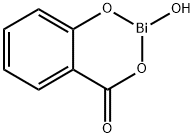
- 14882-18-9
- C7H5BiO4
- 362.09
- All (18)
- China (6)
- (18)
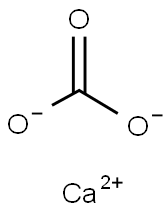
- 1317-65-3
- CCaO3
- 100.09
- All (868)
- China (56)
- (868)
- 792848-15-8
- CCaO3
- 100.08700
- All (868)
- China (56)
- (868)
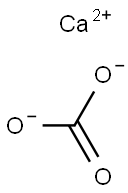
- 471-34-1
- CCaO3
- 100.0869
- All (868)
- China (56)
- (868)
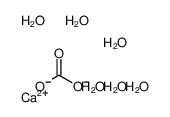
- 15634-14-7
- CH2O3.Ca.6H20
- 208.17900
- All (0)
- China (0)
- (0)
Related Products More >

- 471-34-1
- CNY 50.0000
- 25kg
- 471-34-1
- Request For Quotation
- 1ton
- 471-34-1
- Request For Quotation
- 25kg
- 471-34-1
- Request For Quotation
- 1ton
- 471-34-1
- Request For Quotation
- 25kg
- 471-34-1
- Request For Quotation
- 1kg
- 471-34-1
- Request For Quotation
- 1ton
- 471-34-1
- Request For Quotation
- 25kg


The primary concern with combining these two medications is that calcium carbonate can interfere with the absorption of bismuth subsalicylate. The human digestive system is a complex network of organs and processes. When we ingest substances, they go through a series of steps to be broken down and absorbed. Calcium ions in calcium carbonate may bind to the bismuth or salicylate components in Pepto Bismol, forming insoluble complexes in the gastrointestinal tract. Think of it like two substances in a chemical reaction that don't mix well together. This binding reduces the amount of bismuth subsalicylate that enters the bloodstream, potentially decreasing its effectiveness in treating digestive symptoms. For example, if someone takes both medications simultaneously for combined relief of heartburn and diarrhea, the intended benefits of Pepto Bismol might be diminished due to this interaction. Instead of getting the full dose of bismuth subsalicylate to combat the bacteria causing diarrhea, the body may only receive a fraction of it, prolonging the discomfort.
Additionally, taking these two medications together can increase the risk of certain side effects. Both bismuth subsalicylate and calcium carbonate can affect the normal functioning of the gastrointestinal system. Bismuth subsalicylate may cause temporary darkening of the tongue or stools, while calcium carbonate can lead to constipation, gas, or bloating. When used together, the likelihood of experiencing gastrointestinal discomfort, such as abdominal pain or altered bowel habits, may be higher. In some cases, prolonged use of calcium carbonate alongside bismuth subsalicylate could also disrupt the body’s electrolyte balance, particularly if the individual has pre-existing kidney issues, as both medications are processed by the kidneys. The kidneys play a crucial role in filtering out waste products and maintaining the right balance of electrolytes in the body. If they are already compromised, the additional burden of processing these two medications together can lead to further complications.
If you need to use both medications, it is advisable to space their administration by at least 1 to 2 hours. This time gap allows each medication to be absorbed and act independently without significant interaction. For instance, if you take Tums for heartburn, wait 1-2 hours before taking Pepto Bismol for diarrhea, or vice versa. During this waiting period, the calcium carbonate has already done its job of neutralizing the stomach acid, and the digestive system has moved it along the tract, making room for the bismuth subsalicylate to start its work without interference. This approach helps ensure that the calcium carbonate does not interfere with the absorption of bismuth subsalicylate, allowing both medications to work effectively for their respective purposes.
Certain health conditions or medications can make combining these two antacids particularly unsafe. Individuals with kidney disease should exercise caution, as both bismuth and calcium can accumulate in the body if kidney function is impaired, increasing the risk of toxicity. The kidneys are like the body's waste management system. When they are not working properly, substances that should be excreted can build up inside, and in the case of bismuth and calcium, this buildup can lead to serious health problems. Patients taking aspirin or other nonsteroidal anti-inflammatory drugs (NSAIDs) should also be careful, as bismuth subsalicylate contains a salicylate component that is structurally similar to aspirin. Combining it with other salicylates or NSAIDs may increase the risk of gastrointestinal irritation or bleeding. The lining of the stomach and intestines can be damaged more easily when multiple substances with similar effects on the body's inflammatory response are used together. Pregnant or breastfeeding women should consult their healthcare provider before using these medications, as both bismuth subsalicylate and calcium carbonate may have considerations during these periods. During pregnancy, the body goes through many changes, and the placenta acts as a barrier between the mother and the fetus. Some substances can cross this barrier, and it's important to ensure that any medication taken won't harm the developing baby. Similarly, during breastfeeding, what the mother ingests can end up in the breast milk, so precautions need to be taken.
Moreover, individuals taking medications for diabetes, blood pressure, or heart conditions should be aware that calcium carbonate can interact with certain drugs, such as tetracycline antibiotics or bisphosphonates, affecting their absorption. While bismuth subsalicylate has fewer drug interactions compared to calcium carbonate, it is still important to review your complete medication list with a healthcare provider or pharmacist to identify any potential conflicts. Medications for diabetes are carefully calibrated to manage blood sugar levels, and any interference with their absorption can lead to fluctuations in blood sugar, which can be dangerous. For those with blood pressure or heart conditions, the wrong combination of medications can have a significant impact on the heart's function and blood vessel health. A healthcare professional has the knowledge and experience to look at all the medications a person is taking and determine the safest and most effective way to manage their health conditions.
In day-to-day life, it's easy to reach for over-the-counter medications like Pepto Bismol and Tums when we're feeling under the weather. But it's crucial to understand how they work and how they interact with each other. Just because they are readily available doesn't mean they can be used interchangeably or simultaneously without thought. By being informed about these medications, we can make better decisions about our health and avoid potential problems. When in doubt, always consult a healthcare provider, whether it's your doctor, a nurse, or a pharmacist. They are there to help you navigate the complex world of medications and ensure that you get the relief you need while keeping your health in the best possible condition.
When considering the use of Pepto-Bismol and Tums simultaneously, it is essential to delve into how their active ingredients interact. Bismuth subsalicylate and calcium carbonate have different mechanisms of action. Bismuth subsalicylate is known for its anti-inflammatory properties and its ability to bind to toxins in the gastrointestinal tract, which helps in reducing symptoms of diarrhea and stomach upset. Calcium carbonate, however, is a base that reacts with stomach acid to form calcium chloride, water, and carbon dioxide. This reaction helps to neutralize excess acid in the stomach, providing relief from heartburn and indigestion. While these mechanisms are distinct, there is a possibility that the combination could lead to some unintended consequences.
For example, a person who has consumed a large meal that is both spicy and fatty might experience both heartburn and diarrhea. In such a scenario, the individual might consider taking Pepto-Bismol to address the diarrhea and Tums to relieve the heartburn. However, it is important to recognize that while both medications can be used together, there are factors that need to be considered. One potential issue is the risk of side effects. Bismuth subsalicylate can cause constipation, especially when taken in higher doses. Calcium carbonate, on the other hand, can lead to an increase in calcium levels in the body, which might cause hypercalcemia in some individuals. Hypercalcemia can lead to symptoms such as nausea, vomiting, frequent urination, and even kidney stones in more severe cases. Therefore, it is crucial to monitor for these side effects when taking both medications concurrently.
Moreover, the combination of these two medications can also be influenced by other factors. For instance, individuals who are taking other medications might experience interactions. Bismuth subsalicylate can interact with certain medications, particularly those that affect blood clotting, such as warfarin. This interaction can increase the risk of bleeding. Additionally, calcium carbonate can interfere with the absorption of some medications, such as certain antibiotics and iron supplements. Therefore, if you are taking any other medications, it is important to consult with a healthcare provider to ensure that there are no adverse interactions.
Another aspect to consider is the dosage and timing of these medications. While there is no strict requirement to wait between doses of Pepto-Bismol and Tums, it is important to follow the recommended dosing guidelines for each medication. Pepto-Bismol is typically taken every 30 to 60 minutes as needed, with a maximum of 16 tablets in a 24-hour period. Tums, depending on the strength, can be taken as needed for relief of symptoms. However, taking too much of either medication can lead to complications. For example, excessive use of calcium carbonate can lead to milk-alkali syndrome, a condition characterized by high levels of calcium in the blood and kidney damage. Therefore, it is important to adhere to the recommended dosages and not exceed them.
Furthermore, certain health conditions can also affect the safety of using Pepto-Bismol and Tums together. Individuals with kidney disease should be cautious when taking bismuth subsalicylate, as the kidneys play a crucial role in eliminating this medication from the body. Impaired kidney function can lead to a buildup of bismuth in the body, potentially causing toxicity. Additionally, pregnant women should avoid using Pepto-Bismol, as bismuth subsalicylate can cross the placenta and potentially harm the developing fetus. Similarly, breastfeeding mothers should also avoid using this medication, as it can be passed to the baby through breast milk. If you have any pre-existing medical conditions, such as kidney disease, liver disease, or gastrointestinal disorders, it is important to consult with a healthcare provider before using these medications together.
In addition to these considerations, it is also important to recognize that the combination of Pepto-Bismol and Tums might not always be the best approach for treating gastrointestinal symptoms. In some cases, addressing the underlying cause of the symptoms might be more effective than simply treating the symptoms with medications. For example, if the symptoms are due to a food intolerance or an infection, it might be necessary to identify and eliminate the offending food or treat the infection with appropriate antibiotics. Therefore, while Pepto-Bismol and Tums can provide temporary relief, it is important to seek medical advice if the symptoms persist or worsen.
In conclusion, while it is generally safe to take Pepto-Bismol and Tums together, there are several factors that need to be considered. The combination of bismuth subsalicylate and calcium carbonate can lead to potential side effects and interactions with other medications. It is important to monitor for any adverse reactions and adhere to the recommended dosages. Additionally, individuals with certain health conditions or who are taking other medications should consult with a healthcare provider before using these medications together. By being aware of these considerations, you can make informed decisions about the safe and effective use of Pepto-Bismol and Tums for your gastrointestinal symptoms.
The reasons behind this caution are rooted in the distinct pharmacological properties of bismuth subsalicylate and calcium carbonate. Calcium carbonate, as a common antacid, functions by increasing the pH level in the stomach. When it enters the stomach, it reacts with the hydrochloric acid present there. This chemical reaction neutralizes the acid, making the stomach environment more alkaline. This is how it provides relief from symptoms like heartburn and indigestion. On the other hand, bismuth subsalicylate works most effectively in an acidic environment. It needs the acidic conditions of the stomach to form a protective layer over the stomach lining. This layer helps shield the stomach from the corrosive effects of stomach acid and also has some antibacterial properties that can help in treating certain gastrointestinal infections. When calcium carbonate and bismuth subsalicylate are taken together, the alkalizing action of calcium carbonate disrupts the acidic environment that bismuth subsalicylate requires. As a result, bismuth subsalicylate may not be able to form that crucial protective layer properly, significantly reducing its effectiveness in treating gastrointestinal issues.
Another important aspect is the potential for the two substances to interact chemically. Calcium ions from calcium carbonate and bismuth ions from bismuth subsalicylate can combine to form insoluble complexes. These complexes are not easily absorbed by the body. So, instead of being utilized for their intended therapeutic purposes, they end up being excreted without providing the full range of benefits. This not only means that you're not getting the maximum effectiveness from each medication but also that you might still be left with persistent symptoms of indigestion or an upset stomach.
In terms of side effects, combining Pepto Bismol and Tums can increase the risk of various issues. Both medications, on their own, can cause problems related to bowel movements. Some people may experience constipation after taking calcium carbonate, while others might face diarrhea as a side effect of bismuth subsalicylate. When taken together, these opposing effects on the digestive system can create an even more unpredictable situation, potentially leading to severe discomfort. Moreover, bismuth subsalicylate contains a salicylate component, which is similar to aspirin. Aspirin is known to sometimes irritate the stomach lining, especially in higher doses or when combined with other substances that can affect the gastric mucosa. Calcium carbonate, while generally considered safe, when interacting with bismuth subsalicylate, can indirectly contribute to an increased risk of stomach irritation and related symptoms. Over time, if these medications are used together inappropriately, there's also a risk of developing electrolyte imbalances. For example, excessive intake of calcium carbonate can lead to hypercalcemia, an elevated level of calcium in the blood. Although bismuth toxicity is relatively rare with short - term use, long - term combined use of these two medications might increase the likelihood of such issues.
If you find yourself in a situation where you need to take both Pepto Bismol and Tums, it's best to space out their doses. A recommended time interval is at least 1 to 2 hours. This time gap allows each medication to work in the stomach environment that is most conducive to its proper functioning. For instance, if you're experiencing immediate heartburn and want quick relief, you can take Tums first. After waiting for about 1 to 2 hours, when the stomach's pH level has started to return towards a more normal range, you can then take Pepto Bismol if needed. This way, you can potentially get the benefits of both medications without the negative interactions.
Certain health conditions and medications also play a role in determining whether it's safe to combine Pepto Bismol and Tums. People with kidney problems need to be especially careful. The kidneys are responsible for filtering out and excreting substances like bismuth and calcium from the body. In individuals with reduced kidney function, the normal excretion process is disrupted. This can lead to the accumulation of these substances in the body over time, increasing the risk of toxicity. Those with a history of gastrointestinal ulcers or bleeding disorders should avoid or use these medications only under the strict supervision of a healthcare provider. The salicylate in bismuth subsalicylate can increase the risk of bleeding, which can be particularly dangerous for such patients. Additionally, if you're taking other medications, such as tetracycline antibiotics, methotrexate, or lithium, combining them with Pepto Bismol and Tums can cause problems. Calcium and bismuth can interfere with the absorption and metabolism of these drugs, potentially reducing their effectiveness or causing other adverse reactions. It's always a good idea to consult your doctor or pharmacist before combining any medications, especially when you have pre - existing health conditions or are on multiple medications. They can provide personalized advice based on your specific situation to ensure that you're using medications safely and effectively to manage your symptoms.