


 Home
Home
Hi, I'd like to ask—Which one has a higher absorption rate, magnesium bisglycinate or magnesium glycinate? Do they have different effects on health? For people with digestive problems, which one is more suitable? Are there any differences in their bioavailability? Thanks!
What Are the Differences between Magnesium Bisglycinate and Magnesium Glycinate?
Related Encyclopedia
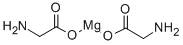
- 14783-68-7
- C4H8MgN2O4
- 172.42232
- All (1)
- China (0)
- (1)
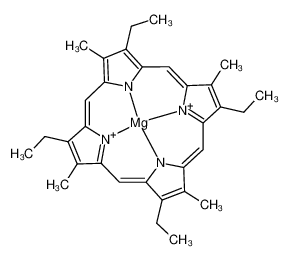
- 15006-36-7
- C32H36MgN4
- 500.96000
- All (0)
- China (0)
- (0)
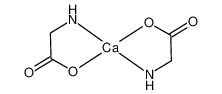
- 56960-17-9
- C4H4CaN2O4
- 184.16400
- All (0)
- China (0)
- (0)
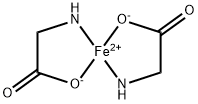
- 20150-34-9
- C4H8FeN2O4
- 203.96
- All (3)
- China (1)
- (3)
- 7439-95-4
- Mg
- 24.31
- All (7)
- China (5)
- (7)
- 917-64-6
- CH3IMg
- 166.24
- All (1)
- China (1)
- (1)
- 12053-95-1
- CuMg2
- 112.15600
- All (0)
- China (0)
- (0)
- 12054-17-0
- Cu2Mg
- 151.39700
- All (0)
- China (0)
- (0)
- 12057-80-6
- Mg9Nd
- 362.98500
- All (0)
- China (0)
- (0)
- 12139-68-3
- CoMg2
- 107.54300
- All (0)
- China (0)
- (0)
Related Products More >

- 14783-68-9
- CNY Request For Quotation
- 14783-68-8
- CNY Request For Quotation
- 14783-68-7
- CNY Request For Quotation
- 869-06-9
- CNY Request For Quotation
- 869-06-8
- CNY Request For Quotation
- 869-06-7
- CNY Request For Quotation
- 3344-18-3
- CNY Request For Quotation
- 3344-18-2
- CNY Request For Quotation


Magnesium glycinate is formed when magnesium bonds with glycine, an amino acid. Typically, each magnesium molecule combines with two glycine molecules, creating a chelated complex. Chelation, the process of binding a mineral to an amino acid, is believed to enhance the stability and absorption of the compound within the digestive tract. Although magnesium bisglycinate is sometimes used interchangeably with magnesium glycinate in product labeling, the term "bisglycinate" specifically denotes the presence of two glycine molecules for every magnesium ion. In many scientific and commercial contexts, these two terms are used synonymously, with no significant chemical difference between them. However, some sources might use "magnesium glycinate" to refer to a broader category of magnesium glycine complexes, while "bisglycinate" is more precise in indicating the 1:2 ratio.
When it comes to absorption and bioavailability, both forms are generally regarded as highly bioavailable in comparison to other magnesium salts like magnesium oxide or citrate. Chelated magnesium supplements, including those labeled as glycinate or bisglycinate, are formulated to resist breakdown in the stomach and promote absorption in the intestines. The glycine molecules act as carriers, facilitating the passage of the magnesium ion through the intestinal lining and into the bloodstream. Several studies have demonstrated that chelated magnesium supplements have higher bioavailability than non chelated forms. This is because they are less likely to react with other substances in the digestive tract, such as stomach acid or dietary fibers, which could form insoluble compounds and hinder absorption.
However, the supposed difference in absorption rates between "glycinate" and "bisglycinate" may be more theoretical than practical. Most clinical research on magnesium chelates focuses on the chelation process as a whole rather than differentiating between these specific labels. For instance, in a study that compared magnesium glycinate (as a chelate) with magnesium oxide, significantly higher serum magnesium levels were observed after the ingestion of the chelated form, clearly indicating its superior absorption. Moreover, both forms are generally well tolerated by the digestive system due to their gentle nature. The glycine component is non irritating and does not usually cause the laxative effects commonly associated with magnesium salts that release free magnesium ions more readily, such as magnesium citrate or sulfate.
Regarding health effects, both magnesium bisglycinate and magnesium glycinate are employed to address magnesium deficiency, support muscle and nerve function, promote heart health, and aid in sleep and relaxation. Magnesium is essential for over 300 enzymatic reactions in the body. These reactions include energy production, DNA synthesis, and electrolyte balance. The chelated forms are often favored because they are thought to efficiently deliver magnesium to cells where it is needed for these vital functions. There is currently no evidence suggesting that one form (glycinate vs. bisglycinate) offers distinct health benefits beyond what is attributed to magnesium itself or the chelation process. The main difference lies in their chemical structure and metabolism, but both ultimately contribute to the body's magnesium reserves.
For individuals with digestive problems such as acid reflux, irritable bowel syndrome (IBS), or sensitive stomachs, chelated magnesium supplements like glycinate or bisglycinate are usually recommended over non chelated forms. Non chelated magnesium salts, such as magnesium oxide, rely on stomach acid for dissociation, which can cause gastrointestinal discomfort in some people. Additionally, salts like magnesium citrate may draw water into the intestines, potentially leading to diarrhea, especially at higher doses. Chelated forms, on the other hand, are more stable in the acidic environment of the stomach and release magnesium gradually in the intestines, minimizing the likelihood of digestive upset. This makes them an ideal choice for those who have experienced side effects with other magnesium formulations.
It's important to note that while chelation improves absorption, the actual bioavailability of magnesium can vary depending on multiple factors. Individual physiology plays a significant role; for example, people with genetic variations in the proteins involved in magnesium transport may absorb magnesium differently. Dietary intake also matters a diet high in certain substances like phytates (found in whole grains, nuts, and seeds) can bind to magnesium and reduce its absorption. Overall health conditions are another crucial aspect. Individuals with gastrointestinal disorders that impair nutrient absorption, such as Crohn’s disease, may still have limited uptake of magnesium, even from chelated forms. In such cases, higher doses or alternative delivery methods, like intravenous magnesium, might be necessary under medical supervision.
When choosing a magnesium supplement, consumers should carefully examine the product label for the specific form of magnesium and the amount of elemental magnesium per serving. Some products labeled as "magnesium glycinate" may contain a mixture of magnesium and glycine, but the key factor is the quantity of bioavailable magnesium. The recommended daily intake of magnesium varies according to age and sex. Adult males typically require 400–420 mg, while adult females need 310–320 mg per day. Supplements usually provide 100–400 mg of elemental magnesium per dose. Taking these supplements with food can further enhance absorption and reduce the risk of stomach upset. This is because food can buffer the stomach acid, creating a more favorable environment for the gradual release and absorption of the magnesium. Moreover, certain foods can also interact positively with magnesium. For example, foods rich in vitamin D can enhance the body's ability to absorb magnesium, as vitamin D plays a role in regulating the expression of genes involved in magnesium transport.
In summary, magnesium bisglycinate and magnesium glycinate are highly similar chelated forms of magnesium with comparable absorption rates and bioavailability. The term "bisglycinate" often refers to the specific 1:2 magnesium to glycine ratio, while "glycinate" may be used more broadly, but both are designed to improve magnesium uptake and minimize digestive side effects. For individuals with sensitive digestive systems, these chelated forms are preferable to non chelated salts due to their gentler nature and reduced likelihood of causing discomfort. Ultimately, the choice between them often depends on product labeling and availability, as both are effective for supporting magnesium status and overall health when taken as directed.
Starting with their chemical structure, magnesium glycinate is a chelated compound. In this compound, one magnesium ion is bonded to two glycine amino acid molecules, creating a 1:2 ratio of magnesium to glycine. This chelation process forms a stable complex that has significant implications for its behavior in the digestive system. The term "magnesium bisglycinate" is often used synonymously with magnesium glycinate in the context of dietary supplements. The prefix "bis -" which means "two" in Latin, simply emphasizes the presence of two glycine molecules bound to each magnesium ion. In essence, from a chemical perspective, there is no real difference between what is labeled as magnesium bisglycinate and magnesium glycinate in most supplement products available in the market.
This chelated structure plays a crucial role in their absorption. In the harsh environment of the stomach, with its highly acidic conditions, many substances can be broken down or react unfavorably. However, the stable magnesium glycine complex in both magnesium bisglycinate and magnesium glycinate resists dissociation. This protection is important because it prevents the magnesium from reacting with stomach acid to form insoluble salts, which could then be poorly absorbed or cause digestive discomfort. Instead, the complex travels further down to the small intestine, where amino acids, including glycine, are actively transported across the intestinal lining. This active transport mechanism means that the magnesium attached to the glycine molecules can "hitch a ride" and be efficiently absorbed into the bloodstream.
When it comes to absorption rate and bioavailability, both magnesium bisglycinate and magnesium glycinate have an edge over other forms of magnesium supplements. Inorganic forms of magnesium, such as magnesium oxide and magnesium sulfate, often have lower absorption rates. For instance, magnesium oxide, which is a commonly used form in some supplements due to its high magnesium content by weight, has been found to be poorly absorbed. A significant portion of the magnesium in magnesium oxide passes through the digestive tract without being taken up by the body. In contrast, studies have shown that magnesium glycinate (and by extension, magnesium bisglycinate as they are the same) can lead to higher serum magnesium levels in the body after ingestion. A research study published in a reputable medical journal demonstrated that participants who took magnesium glycinate supplements had a more substantial increase in their blood magnesium levels compared to those who took magnesium oxide supplements over a specific period. This indicates that the chelated form allows for better uptake of magnesium into the body, with estimates suggesting that the bioavailability of chelated magnesium like this is around 15 20% higher than non chelated forms. But it's important to note that individual factors can also influence how well these supplements are absorbed. A person's overall gut health, for example, plays a role. Those with a healthy gut microbiome may experience better absorption compared to individuals with gut dysbiosis. Additionally, age can be a factor, as the body's ability to absorb nutrients tends to decline as people get older. Diet also matters; consuming foods high in phytates, which are found in whole grains and legumes, can bind to magnesium and reduce its absorption, regardless of whether it's in the form of magnesium bisglycinate or glycinate.
There are also some key considerations when it comes to using these magnesium supplements. The dosage of magnesium in supplements can vary widely, typically ranging from 100 400 mg of elemental magnesium per serving. It's important to follow the recommended dosage instructions on the product label or as advised by a healthcare provider. Taking too much magnesium can lead to adverse effects such as nausea, vomiting, and in severe cases, irregular heart rhythms. Additionally, magnesium can interact with certain medications. For example, it can interfere with the absorption of some antibiotics, so it's crucial to space out the intake of these medications and magnesium supplements. It's always advisable to consult a healthcare professional before starting any new magnesium supplement, especially if you are taking other medications or have underlying health conditions. While supplements can be a convenient way to increase magnesium intake, it's also important to get magnesium from dietary sources. Foods like leafy green vegetables such as spinach, nuts like almonds, and whole grains are excellent natural sources of magnesium. Incorporating these foods into a balanced diet should be the first step in ensuring adequate magnesium intake, and supplements can be used as a complement when dietary intake is insufficient.