


 Home
Home
Hi, I'd like to ask—can you consume melatonin that has passed its expiration date? What happens to the effectiveness and safety of expired melatonin? Are there any potential side effects or health risks associated with taking expired sleep aids like melatonin? Thanks!
Is It Safe to Take Expired Melatonin, and What Are the Risks?
Related Encyclopedia
- 8041-44-9
- C13H16N2O2
- 232.27834
- All (70)
- China (50)
- (70)
- 1123858-21-8
- C13H13N2O2T3
- 238.30300
- All (0)
- China (0)
- (0)
- 471256-70-9
- C13H16N2O3
- 248.27800
- All (0)
- China (0)
- (0)
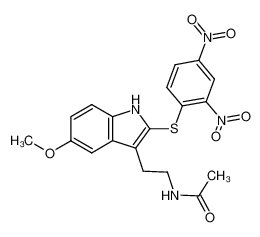
- 28772-49-8
- C19H18N4O6S
- 430.43400
- All (0)
- China (0)
- (0)
- 256345-45-6
- C19H30N2O2Si
- 346.53900
- All (0)
- China (0)
- (0)
- 650608-03-0
- C27H34N2O11
- 562.56600
- All (0)
- China (0)
- (0)
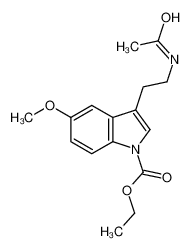
- 519186-54-0
- C16H20N2O4
- 304.34100
- All (0)
- China (0)
- (0)
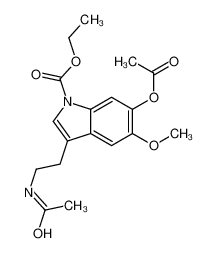
- 519186-55-1
- C18H22N2O6
- 362.38000
- All (0)
- China (0)
- (0)
Related Products More >

- 73-31-4
- CNY 130.0000
- 25kg
- 73-31-4
- 1.0000
- GlassBottlekg
- 93515-00-5
- Request For Quotation
- 82410-32-0
- Request For Quotation
- 8041-44-9
- Request For Quotation
- drums
- 8041-44-9
- Request For Quotation
- 8041-44-9
- Request For Quotation
- 1kg/bag,25kg/drum,25kg/bag
- 8041-44-9
- Request For Quotation


Melatonin is a hormone naturally produced by the pineal gland in the brain. It plays a crucial role in regulating the sleep - wake cycle, signaling to the body when it's time to sleep. As a supplement, it's widely used by people who struggle with insomnia, jet lag, or other sleep disorders. The active ingredient in melatonin supplements, N - acetyl - 5 - methoxytryptamine, has a certain chemical stability. However, like all substances, it is not immune to the effects of time and environmental factors.
The expiration date on a melatonin product is determined through stability testing. Manufacturers conduct these tests to ensure that the product maintains its labeled potency, quality, and safety up to that date. Once the expiration date has passed, several changes can occur to the melatonin supplement. Firstly, the effectiveness of the product is likely to decline. Over time, the active ingredient in melatonin can degrade due to exposure to light, heat, moisture, and air. For example, if a bottle of melatonin tablets is left in a bathroom cabinet where it is exposed to high humidity and temperature fluctuations, the tablets may start to break down more rapidly. The chemical bonds in the melatonin molecule can be disrupted, reducing the amount of active melatonin available for the body to absorb. As a result, taking expired melatonin may not provide the intended sleep - promoting effects. Some studies have shown that after six months of expiration, the active ingredient content in many supplements can drop below 80% of the labeled amount, and this reduction can vary greatly depending on the specific product formulation and storage conditions.
In terms of safety, expired melatonin poses several potential risks. One of the major concerns is microbial contamination. Even though melatonin supplements are manufactured under certain hygiene standards, the packaging may become compromised over time. If the container is not properly sealed or is exposed to contaminated environments, bacteria, molds, and other microorganisms can start to grow. Consuming a supplement contaminated with these microbes can lead to a range of gastrointestinal problems. Symptoms such as abdominal pain, diarrhea, nausea, and vomiting may occur. For individuals with weakened immune systems, such as the elderly, those with chronic diseases, or those undergoing chemotherapy, the risk of severe illness from microbial contamination is even higher.
Another safety risk is related to chemical changes in the supplement. As melatonin degrades, it can undergo oxidation and hydrolysis reactions. These chemical transformations can result in the formation of by - products, some of which may be harmful to the body. While there is currently limited research on the specific toxic substances produced by expired melatonin, similar to other expired medications, the altered chemical structure can put additional stress on the liver and kidneys, which are responsible for metabolizing and eliminating substances from the body. There is also a risk of allergic reactions or other unforeseen health effects due to these chemical changes.
The degree of risk associated with taking expired melatonin also depends on how long it has been expired and the storage conditions. If a melatonin product has just passed its expiration date by a few weeks and has been stored in a cool, dry, and dark place, the degradation may be minimal, but this does not mean it is completely safe. On the other hand, if the product has been expired for several months or years, or has been exposed to extreme temperatures, humidity, or direct sunlight, the risks are significantly higher. For instance, liquid or soft - gel forms of melatonin are more prone to degradation as they can leak, spoil, or become rancid more easily under improper storage, making them much riskier to consume after expiration compared to solid tablets.
If you find that your melatonin has expired, the safest course of action is to dispose of it properly and purchase a new product. When buying melatonin, it's important to pay attention to the manufacturing date and choose products with a reasonable shelf - life. Also, proper storage is key to maintaining the quality and safety of the supplement. Keep unopened melatonin in a cool, dark place, away from direct sunlight and heat sources, and store it out of reach of children. Once opened, try to use the product within the recommended time frame, usually within 3 - 6 months, and always seal the container tightly after each use.
Moreover, it's essential to approach the use of melatonin supplements with caution. Melatonin is not a cure - all for sleep problems. Long - term use of melatonin can potentially lead to dependence, and it may have different effects on different individuals. There are also certain groups of people, such as pregnant or breastfeeding women, individuals with autoimmune diseases, and those taking other medications like anticoagulants or antidepressants, who need to be especially careful as melatonin may interact with other substances in the body. For example, melatonin can interact with some medications during the metabolic process, and the presence of degraded components in expired melatonin may further complicate these interactions, increasing the risk of adverse reactions.
In summary, while the allure of using an expired melatonin supplement may seem tempting, especially if it appears to be in good condition, the potential risks to your health far outweigh any possible benefits. To ensure both the effectiveness and safety of your sleep aid, it's best to avoid consuming expired melatonin and instead focus on proper storage, rational use, and seeking professional medical advice when needed for persistent sleep issues.
The expiration date on melatonin products is determined through extensive stability testing by manufacturers. During the manufacturing process, melatonin is formulated with other ingredients, such as fillers, binders, and sometimes preservatives. These components work together to maintain the integrity of the active ingredient, melatonin, over time. When a product is within its expiration date, it is guaranteed to contain the labeled amount of melatonin and be free from significant degradation or contamination. But once that date passes, the stability of the product can no longer be assured.
Chemical degradation of melatonin begins to occur when the product is exposed to environmental factors like heat, light, moisture, and oxygen. For example, if a bottle of melatonin gummies is left on a sunny windowsill, the heat and light can cause the melatonin molecules to break down. As the melatonin degrades, its chemical structure changes, and it loses its ability to interact effectively with the body's receptors that regulate sleep. In the case of tablets or capsules, the outer coating may also deteriorate over time, which can affect how the body absorbs the melatonin.
Regarding safety, the human body has a certain tolerance for substances that are not in their optimal state. In many cases, consuming a small amount of expired melatonin shortly after the expiration date may not lead to immediate, severe health problems, especially if the product has been stored in a relatively cool, dry place. However, as the melatonin degrades, it can form by - products. These by - products may not be toxic in the same way as a highly poisonous substance, but they can potentially cause mild to moderate gastrointestinal issues. Nausea, an upset stomach, or even diarrhea can occur. This is because the body may react to these foreign, degraded compounds in the digestive tract.
For individuals who rely on melatonin to manage sleep disorders, using expired melatonin can be particularly problematic. Insomnia patients, for example, need a consistent and reliable dose of melatonin to regulate their sleep patterns. An expired product with reduced potency may not be able to induce sleep effectively, leading to continued sleepless nights and potential worsening of the sleep disorder. Moreover, those who take other medications or supplements alongside melatonin should be especially cautious. The degraded by - products of expired melatonin may interact unpredictably with other substances in the body, potentially altering the effects of other medications or causing unforeseen side effects.
To assess whether expired melatonin is still usable, consumers should carefully examine the product. If there are any visible signs of spoilage, such as a change in color (for example, a tablet turning from white to yellowish), a strange odor, a change in texture (a gummy becoming overly sticky or hard), or a different taste, the product should be discarded immediately. These physical changes are strong indicators that the product has significantly degraded and is no longer safe or effective.
The decision to consume expired melatonin is fraught with uncertainties. While it may not always lead to severe harm, the potential loss of effectiveness and the risk of mild to moderate side effects make it a less - than - ideal choice. To ensure both the safety and efficacy of melatonin use, it is always best to adhere to the expiration date and properly store the product within the recommended conditions. When sleep problems persist, seeking advice from a healthcare professional is a much more reliable course of action than relying on expired supplements.