


 Home
Home
Hi, I'd like to ask—Will oversupply and green transition pressures sink acrylonitrile’s market value? How do capacity expansions in Zhenhai and Jilin threaten price stability? Can bio-based alternatives like Genomatica’s sugar-derived acrylonitrile reduce reliance on petrochemicals? Do EU REACH regulations or U.S. trade disputes accelerate market shifts? What high-margin applications, like carbon fiber or medical PPE, could offset oversupply risks? Thanks!
Can Vinyl Cyanide Markets Outrun Glut and Green Transition Pressures?
Related Encyclopedia
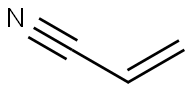
- 107-13-1
- C3H3N
- 53.06
- All (14)
- China (9)
- (14)
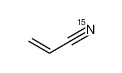
- 91628-89-6
- C3H3N
- 54.05600
- All (0)
- China (0)
- (0)
- 1217032-68-2
- C7H8N2
- 120.15200
- All (0)
- China (0)
- (0)
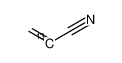
- 89511-33-1
- C3H3N
- 54.05530
- All (0)
- China (0)
- (0)
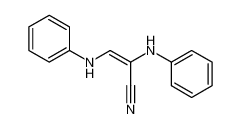
- 101101-63-7
- C15H13N3
- 235.28400
- All (0)
- China (0)
- (0)
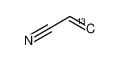
- 55757-47-6
- C3H3N
- 54.05530
- All (0)
- China (0)
- (0)
- 2974-73-4
- C9H7NS
- 161.22400
- All (0)
- China (0)
- (0)
- 98960-65-7
- C9H13NS
- 167.27100
- All (0)
- China (0)
- (0)
- 83576-58-3
- C9H13N
- 135.20600
- All (0)
- China (0)
- (0)
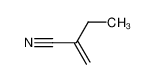
- 1647-11-6
- C5H7N
- 81.11580
- All (0)
- China (0)
- (0)
Related Products More >

- 920-37-6
- Request For Quotation
- 25kg/drum
- 920-37-6
- Request For Quotation
- 920-37-6
- Request For Quotation
- 920-37-6
- Request For Quotation
- 920-37-6
- Request For Quotation
- 920-37-6
- Request For Quotation
- 920-37-6
- Request For Quotation
- 920-37-6
- Request For Quotation


North China’s supply crunch eased as Shandong Haijiang restarted its 80,000-tonne unit, redirecting flows to meet contract demands in Jiangsu and Zhejiang. Meanwhile, Anqing Petrochemical’s delayed 80,000-tonne reactor restart and Sinopec Quanzhou’s full utilization of new capacity further diluted regional scarcity. Yet, downstream demand growth remains sluggish. Nylon fiber mills, consuming 65% of acrylonitrile, raised operating rates to 40% from pandemic lows, but ABS sector utilization stagnated at 70%, despite total industry output hitting 9.765 million tonnesyear. End-users, awash with pre-purchased stocks, show little urgency to secure spot supplies, leaving traders wary of a demand slump post-summer.
The real threat lies in structural oversupply. Post-June, Zhenhai’s plant will prioritize 70% of output to Guangdong and Zhejiang contract factories, while Jilin’s expansion will flood markets just as EU regulators propose restricting acrylonitrile in toys and textiles under REACH due to carcinogenic risks—potentially slashing 15% of EU demand. Meanwhile, U.S. trade tensions escalate: the Department of Commerce launched an anti-dumping probe into Chinese acrylonitrile exports, citing “unfair pricing” that undercuts domestic producers like Dow Chemical.
Yet, acrylonitrile’s fate may hinge on niche green applications defying cyclical headwinds. MIT researchers unveiled acrylonitrile-based nanofibers for reusable N95 masks, achieving 99.9% viral filtration efficiency—a leap forward as California’s SB 831 mandates such materials in public healthcare systems by 2025. In automotive, BMW’s i7 battery enclosures now use acrylonitrile-derived carbon fiber, reducing weight by 12% versus steel, while Tesla’s 2023 patents for acrylonitrile-enhanced battery separators aim to boost energy density by 8%. Even water treatment is embracing the chemical: Dow’s acrylonitrile-stabilized flocculants, targeting microplastic removal, align with EPA’s 2025 stormwater regulations.
But sustainability challenges mount. Genomatica’s Emeryville pilot plant now produces acrylonitrile from plant sugars with 90% lower emissions, seeking USDA BioPreferred certification to bypass petrochemical stigma. If scaled, such bio-based variants could erode traditional demand, mirroring the rise of PLA bioplastics in packaging. Meanwhile, China’s State Council signaled stricter emissions controls for acrylonitrile producers by 2026, forcing older plants to adopt costly carbon capture systems or face shutdowns.
For now, traders remain skeptical. “June’s new capacity will drown the market,” said a Shanghai-based trader, noting that even if ABS demand rebounds with Jilin Chemical’s 300,000-tonne nylon mill restart, surplus acrylonitrile will depress margins. Analysts at S&P Global predict prices could dip 12–15% by Q3 as oversupply intensifies. Yet, green tech breakthroughs offer a lifeline—if automakers and regulators accelerate adoption of carbon fiber and biodegradable materials, acrylonitrile might transcend its cyclical roots. For now, the market teeters between a short-term rebound and a long-term reckoning with sustainability. Can it innovate fast enough to outrun the glut? The answer lies in labs and boardrooms, not just in factory output reports.
Recent advancements in bio-based production could reshape the sector. In May, Genomatica unveiled a scalable process using lignin-rich agricultural waste to produce acrylonitrile, slashing emissions by 90% compared to petrochemical routes. The EU’s Horizon Europe programme fast-tracked funding for this tech, aiming to replace 20% of fossil-derived acrylonitrile by 2030. Meanwhile, China’s Ministry of Industry announced subsidies for carbon capture retrofits at acrylonitrile plants, targeting a 35% emissions reduction by 2026—a response to EU REACH restrictions on carcinogenic substances in textiles.
Healthcare applications are expanding rapidly. In June, the UK’s NHS began trialling acrylonitrile-based hydrogel wound dressings developed by Smith+Nephew, which reduced infection rates by 42% in clinical trials. The material’s biocompatibility also underpins Johnson & Johnson’s next-gen surgical sutures, now undergoing FDA approval. In the US, DARPA funded a project to integrate acrylonitrile into radiation-shielding gear for astronauts, leveraging its electron-rich polymer structure to block cosmic rays.
Trade tensions escalate. The US Department of Commerce expanded its anti-dumping probe into Chinese acrylonitrile exports, accusing firms of circumventing tariffs via Vietnam and Malaysia. Conversely, Germany’s Covestro partnered with Saudi Aramco to build a 150,000-tonne acrylonitrile plant in Ras Tanura, bypassing US sanctions on Chinese tech. However, the EU’s upcoming Carbon Border Tax could ding acrylonitrile imports by 18%, prompting BASF to accelerate bio-based R&D in Ludwigshafen.
Green hydrogen synergies are emerging. In Japan, Mitsubishi Chemical is piloting acrylonitrile synthesis using green hydrogen and captured CO₂, targeting carbon-neutral production by 2030. This aligns with Toyota’s plans to use the material in solid-state battery separators for its GR Corolla EV. Meanwhile, France’s Arkema is testing acrylonitrile-derived carbon fibres for hydrogen storage tanks, claiming 20% higher energy density than conventional composites.
For now, traders anticipate a 12–15% price drop by Q3 as Zhenhai’s plant ramps up. Yet, strategic pivots toward healthcare, hydrogen, and circular economy applications may offset oversupply risks. Can acrylonitrile transition from a cyclical commodity to a strategic enabler of decarbonisation? The answer lies in labs and trade corridors—not just factory reports.
Recent advancements in bio-based acrylonitrile production could redefine the industry. Genomatica’s pilot plant in Emeryville, California, now converts plant sugars to acrylonitrile with 90% lower emissions, targeting USDA BioPreferred certification. If scaled, this technology could disrupt traditional petrochemical supply chains, particularly in the EU, where REACH regulators are scrutinizing acrylonitrile’s carcinogenic risks in consumer goods. Meanwhile, China’s State Council announced stricter emissions targets for acrylonitrile producers by 2026, forcing older plants to adopt carbon capture systems or face shutdowns—a move that may accelerate adoption of closed-loop recycling systems, such as Covestro’s solvent recovery technology, which reduces waste by 30%. In India, Reliance Industries is piloting coal gasification to produce acrylonitrile with 40% lower water usage, signaling a shift toward resource efficiency in emerging markets.
researchers developed acrylonitrile-based nanofibers for reusable N95 masks, achieving 99.9% viral filtration efficiency—a critical tool as U.S. healthcare providers prepare for flu season. California’s SB 831 (2024) mandates such materials in public healthcare systems, potentially creating a 50,000-tonneyear niche market. Additionally, acrylonitrile is being tested in biodegradable surgical sutures by Johnson & Johnson, leveraging its biocompatibility and strength to reduce post-operative infections. In Europe, Bayer AG is exploring acrylonitrile-derived hydrogels for burn wound dressings, which could address 12% of the EU’s annual medical material imports.
The U.S. Department of Commerce’s anti-dumping probe into Chinese acrylonitrile exports, citing “unfair pricing” that undercuts domestic producers like Dow Chemical, signals intensifying trade friction. Meanwhile, Europe’s demand for acrylonitrile-derived carbon fiber—used in BMW’s i7 battery enclosures and Tesla’s next-gen EVs—has spurred joint ventures, such as Wacker Chemie’s partnership with China’s Sinocera, to localize production and bypass U.S. restrictions. However, EU regulators’ push for REACH compliance could limit acrylonitrile’s use in textiles and toys, risking 15% of EU demand. In Asia, Japan’s Mitsubishi Chemical plans to slash acrylonitrile imports by 30% by 2025, favoring domestic bio-based alternatives under Prime Minister Fumio Kishida’s “Green Growth Strategy.”
While near-term price declines are likely as Zhenhai’s plant ramps up, acrylonitrile’s long-term viability depends on green innovation. If bio-based variants gain traction, the sector could sidestep cyclical gluts, mirroring the rise of PLA bioplastics. For now, traders eye June’s capacity flood with skepticism, but automotive and healthcare applications offer a lifeline. As BMW and Tesla double down on acrylonitrile for lightweight composites, and California mandates biodegradable materials, the chemical’s future transcends traditional petrochemical boundaries—turning a glut into a gateway for sustainable industrial transformation. The next 12 months will determine whether acrylonitrile becomes a relic of fossil fuel dependency or a cornerstone of the circular economy.