


 Home
Home
Hi, I'd like to ask—does melatonin have a shelf life, and can it go bad if stored improperly? What environmental factors (like light, heat, or humidity) affect the stability of melatonin? How can you tell if melatonin has spoiled before taking it? Thanks!
Does Melatonin Degrade Over Time, and How to Properly Store It?
Related Encyclopedia
- 8041-44-9
- C13H16N2O2
- 232.27834
- All (70)
- China (50)
- (70)
- 1123858-21-8
- C13H13N2O2T3
- 238.30300
- All (0)
- China (0)
- (0)
- 471256-70-9
- C13H16N2O3
- 248.27800
- All (0)
- China (0)
- (0)
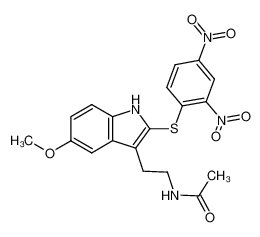
- 28772-49-8
- C19H18N4O6S
- 430.43400
- All (0)
- China (0)
- (0)
- 256345-45-6
- C19H30N2O2Si
- 346.53900
- All (0)
- China (0)
- (0)
- 650608-03-0
- C27H34N2O11
- 562.56600
- All (0)
- China (0)
- (0)
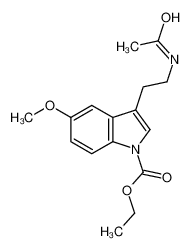
- 519186-54-0
- C16H20N2O4
- 304.34100
- All (0)
- China (0)
- (0)
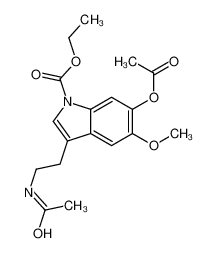
- 519186-55-1
- C18H22N2O6
- 362.38000
- All (0)
- China (0)
- (0)
Related Products More >

- 73-31-4
- CNY 130.0000
- 25kg
- 73-31-4
- 1.0000
- GlassBottlekg
- 93515-00-5
- Request For Quotation
- 8041-44-9
- Request For Quotation
- drums
- 8041-44-9
- Request For Quotation
- 8041-44-9
- Request For Quotation
- 1kg/bag,25kg/drum,25kg/bag
- 8041-44-9
- Request For Quotation
- 8041-44-9
- Request For Quotation
- 25KG BAGS


The shelf life of melatonin is not an arbitrary number. Manufacturers determine it through extensive stability testing. Typically, when melatonin supplements are unopened and stored under ideal conditions, they have a shelf life ranging from two to three years. This time frame is based on the premise that the product will maintain its stated potency and purity within this period. However, once the container is opened, the clock starts ticking faster on its degradation process. Exposure to the external environment, which includes elements like air, moisture, and light, can initiate a series of chemical reactions that lead to the deterioration of melatonin.
At a chemical level, melatonin has a specific molecular structure that makes it vulnerable to certain types of reactions. It contains an indole ring and an amide functional group. These structural features render it prone to oxidation and hydrolysis. Oxidation occurs when the melatonin molecule reacts with oxygen present in the air. Oxygen can break the chemical bonds within the melatonin structure, causing it to transform into different, often less active or inactive compounds. Hydrolysis, on the other hand, involves the interaction of melatonin with water molecules. Water can split the melatonin molecule, altering its chemical composition and reducing its effectiveness as a sleep - regulating agent.
Several environmental factors play a significant role in accelerating the degradation of melatonin. Light is one of the most detrimental factors for melatonin stability. Melatonin is photosensitive, meaning it can be damaged by exposure to light, especially ultraviolet (UV) radiation. UV rays from sunlight or even the artificial light emitted by fluorescent bulbs can trigger chemical changes in melatonin. These changes may include isomerization, where the atoms within the melatonin molecule rearrange themselves, or fragmentation, where the molecule breaks into smaller, less functional pieces. This is why most melatonin supplements are packaged in dark, opaque bottles. The dark packaging acts as a shield, preventing light from reaching the melatonin inside and slowing down the degradation process.
Heat is another major factor that affects melatonin's stability. Chemical reactions, including those that degrade melatonin, generally occur at a faster rate at higher temperatures. When melatonin supplements are stored in warm environments, such as near heaters, stoves, or in a car on a hot day, the increased thermal energy provides the activation energy needed for oxidation and hydrolysis reactions to proceed more rapidly. Heat can also have a physical impact on the supplement. For instance, softgel capsules containing melatonin may melt or become deformed when exposed to high temperatures. This not only compromises the integrity of the capsule but also exposes the melatonin inside to further degradation by increasing its contact with air and moisture.
Humidity, or the presence of moisture in the air, is equally problematic for melatonin. High humidity levels can lead to the absorption of water by the melatonin supplement. If the supplement is in powder or tablet form, the moisture can cause the particles to clump together. In the case of capsules, the moisture may seep inside, triggering hydrolysis reactions. Additionally, the outer coating of tablets or capsules may dissolve prematurely due to moisture exposure, allowing the melatonin to be more easily degraded by other environmental factors.
Air, specifically the oxygen it contains, is also a factor in melatonin degradation. Even when the supplement container is tightly sealed, there is often some residual oxygen inside. Over time, this oxygen can react with the melatonin, gradually degrading it. Some manufacturers add antioxidants to melatonin formulations to counteract this oxidation process. However, the effectiveness of these antioxidants diminishes once the container is opened and more oxygen enters.
Determining whether melatonin has spoiled requires careful observation of its physical appearance and sensory characteristics. One of the most obvious signs is a change in color. Pure melatonin is typically a white to off - white powder or crystalline substance. If the tablets, capsules, or liquid form of the supplement have turned yellow, brown, or developed a grayish tint, it is a strong indication that oxidation has occurred. For example, a clear liquid melatonin supplement that has become cloudy or has developed visible sediment at the bottom of the bottle has likely degraded.
Unusual odors can also signal spoilage. A sour, chemical, or otherwise unpleasant smell that is different from the original scent of the supplement is a red flag. While taste is not a reliable or safe way to determine spoilage (since ingesting spoiled melatonin can be harmful), a bitter or abnormal taste may indicate that the supplement has degraded.
In addition to these physical and sensory signs, the expiration date and storage history of the melatonin supplement are important considerations. Even if there are no visible signs of spoilage, using a melatonin product past its expiration date is not recommended. The expiration date is based on scientific stability testing, and after this date, the potency and safety of the supplement cannot be guaranteed. Moreover, if the supplement has been stored in less - than - ideal conditions at any point, such as in a bathroom cabinet with high humidity or on a windowsill where it is exposed to sunlight, its actual lifespan may be much shorter than the stated shelf life, even if it has not yet reached the expiration date.
To ensure the longevity and effectiveness of melatonin supplements, proper storage practices are essential. It is best to store melatonin in a cool, dry place, away from direct sunlight, heat sources, and areas with high humidity. A dark pantry or a drawer in a bedroom can be ideal storage locations. After each use, the container should be tightly sealed to minimize the entry of air and moisture. Unless specifically indicated on the product label, most melatonin supplements do not need to be refrigerated. In fact, refrigerating some melatonin products and then moving them to a warmer environment can cause condensation to form inside the container, introducing moisture and accelerating degradation. Finally, it is important to regularly check the packaging for any signs of damage, such as cracks in the bottle or tears in the packet, as damaged packaging can compromise the stability of the supplement.
Using spoiled melatonin is not only ineffective but can also pose some risks. While it is unlikely to cause severe toxicity, the degraded form of melatonin may not have the intended sleep - regulating effects. In some cases, the byproducts formed during the degradation process could potentially cause mild gastrointestinal discomfort or allergic reactions in sensitive individuals. If any adverse symptoms occur after taking a melatonin supplement that is suspected to be spoiled, it is crucial to discontinue use immediately and consult a healthcare provider.
Most commercial melatonin supplements, regardless of whether they are in tablet, capsule, or liquid form, come with an expiration date clearly marked on the packaging. This date is not arbitrary; it represents the period during which the manufacturer can guarantee the product's potency and quality under standard storage conditions. Once this expiration date passes, the active melatonin ingredient within the supplement begins to break down. However, even before reaching the expiration date, inappropriate storage conditions can significantly hasten this degradation process.
Heat is one of the most detrimental environmental factors for melatonin. High temperatures, such as those in a hot, unventilated bathroom or inside a car on a sunny summer day, can trigger chemical reactions that cause the hormone to degrade. Melatonin's molecular structure is sensitive to thermal stress. When exposed to heat for an extended period, it can undergo oxidation, a process where it reacts with oxygen in the air. This oxidation can alter the chemical bonds within the melatonin molecule, rendering it less effective or even inactive. For example, if a bottle of melatonin tablets is left in a car where the temperature soars to over 100°F (38°C), the heat can cause the tablets to soften, and the melatonin within them to start breaking down much faster than normal.
Light, especially ultraviolet (UV) radiation from sunlight or artificial sources like fluorescent bulbs, also poses a threat to melatonin's stability. UV rays have enough energy to disrupt the chemical bonds in the melatonin molecule, a process known as photodegradation. That's why many melatonin supplements are packaged in dark, opaque bottles. These bottles act as a shield, preventing light from reaching the supplement and initiating degradation. If a consumer were to transfer melatonin from its original dark bottle into a clear, plastic container and store it near a window, the constant exposure to light would gradually cause the melatonin to lose its effectiveness. Over time, the supplement might even change color as a result of the chemical reactions triggered by the light exposure.
Humidity is another significant factor that can affect melatonin, particularly in its solid forms like tablets and capsules. In humid environments, the air contains a high amount of moisture. When a bottle of melatonin tablets is opened in such an environment, moisture can seep into the container. The tablets can absorb this water, leading to a variety of problems. They may start to clump together, making it difficult to separate and take the correct dosage. In more extreme cases, the moisture can encourage the growth of mold on the tablets, especially if there are any organic excipients (inactive ingredients) in the formulation. For liquid melatonin, humidity and temperature fluctuations can be even more problematic. The liquid often contains water or other solvents, and changes in humidity can affect the solubility and stability of the melatonin within the liquid. Microorganisms can also more easily grow in the liquid if the storage conditions are not optimal, further degrading the product.
To tell if melatonin has spoiled before taking it, one should look for several key signs. For tablets and capsules, start by inspecting the packaging. Any signs of damage, such as cracks, swelling, or a broken seal, can indicate that the supplement has been exposed to harmful environmental factors. Open the bottle and examine the pills closely. If they have changed color from their original shade, for example, turning from white to yellowish or brown, it's a strong indication that degradation has occurred. The texture of the tablets or capsules can also provide clues. If they feel sticky, overly brittle, or have an unusual consistency compared to when they were first purchased, it's likely that the melatonin has been compromised. Additionally, take a whiff of the pills. A sharp, chemical smell that wasn't present before, or an odor that is distinctly different from the normal, neutral scent of the supplement, can mean that spoilage has taken place.
For liquid melatonin, the signs of spoilage are somewhat different. A fresh liquid melatonin product should be clear and free of any sediment or cloudiness. If the liquid has become thick, separated into layers, or has visible particles floating in it, it's no longer in good condition. The taste and smell can also change. An off - taste, such as a bitter or sour flavor, or an unpleasant smell, indicates that the supplement has likely spoiled and should not be consumed.
While a spoiled melatonin supplement is generally not expected to be highly toxic in most cases, its ability to effectively regulate sleep will be greatly reduced. There is also a small risk of experiencing irritation or other negative effects from the degraded compounds, especially in liquid formulations. To ensure that melatonin maintains its potency and remains safe to use, it's essential to store it properly. Keep it in a cool, dry place, away from direct sunlight. A dark cabinet at room temperature is often an ideal storage location, as long as the temperature remains relatively stable and the area is not overly humid. Always make sure the container is tightly sealed after each use to prevent moisture from entering. Avoid storing melatonin in the bathroom cabinet, as the constant humidity and temperature changes from showers can quickly degrade the product. And never transfer the supplement to a container that is not airtight or light - resistant, as this will expose it to the very environmental factors that cause spoilage.