


 Home
Home
Hi, I'd like to ask—Is glutamate free of gluten? Do natural and synthetic glutamates differ in gluten content? How can consumers identify gluten-free products with glutamate? Thanks!
Is Glutamate Gluten-Free?
Related Encyclopedia
- 8002-80-0
- 0
- All (2)
- China (0)
- (2)
- 78543-55-2
- C5H8NO4-
- 146.12100
- All (0)
- China (0)
- (0)
- 68382-18-3
- C30H38N6O7
- 594.66
- All (0)
- China (0)
- (0)
- 14732-77-5
- C37H56O3S
- 580.90400
- All (0)
- China (0)
- (0)
![2-[3-(AMinocarbonyl)-4-(2-Methylpropoxy)phenyl]-4-Methyl-5-thiazolecarboxylic Acid](https://chemcloud-1304660855.cos.ap-shanghai.myqcloud.com/compound/202502120016170389.gif?imageMogr2/format/webp)
- 1239233-86-3
- C16H18N2O4S
- 334.39
- All (0)
- China (0)
- (0)
- 2308-23-8
- C18H14N2NaO7S2-
- 457.43300
- All (0)
- China (0)
- (0)
- 15790-07-5
- C16H10N2O7S2.2Na
- 452.374
- All (1)
- China (0)
- (1)
- 16521-38-3
- C16H8N2O8S2.2Na
- 466.35700
- All (1)
- China (0)
- (1)
- 12225-21-7
- C16H9N4O9S2.3Na
- 534.368
- All (1)
- China (0)
- (1)
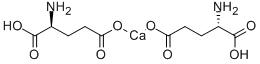
- 19238-49-4
- C10H16CaN2O8
- 332.32
- All (0)
- China (0)
- (0)
Related Products More >

- 1333-86-6
- CNY Request For Quotation
- 1333-86-5
- CNY Request For Quotation
- 1333-86-4
- CNY Request For Quotation
- CNY Request For Quotation
- CNY Request For Quotation
- CNY Request For Quotation
- CNY Request For Quotation
- CNY Request For Quotation


However, confusion can arise because some food products containing glutamate might be derived from or processed with gluten-containing ingredients. For example, certain fermented sauces (like soy sauce or some fish sauces) may contain both glutamate and gluten if they are made from wheat or barley. Additionally, some hydrolyzed vegetable proteins (HVPs), which naturally contain glutamate, could be derived from wheat unless specifically labeled as gluten-free. In these cases, the gluten comes from the source ingredient, not from the glutamate itself.
Natural and synthetic glutamates do not inherently differ in gluten content because gluten is unrelated to the chemical structure of glutamate.Natural glutamates are found in foods like tomatoes, Parmesan cheese, and mushrooms, where they contribute to umami flavor. These natural sources are gluten-free unless the food itself contains gluten (e.g., a sauce made with wheat flour).
Synthetic glutamates (like MSG) are produced through bacterial fermentation of carbohydrates (such as sugarcane or molasses), a process that does not involve wheat, barley, or rye. Pure MSG is therefore gluten-free. However, commercial MSG products may sometimes be blended with other ingredients, such as anticaking agents, which could theoretically contain gluten if derived from wheat. In practice, most MSG sold in the U.S. and other regulated markets is gluten-free, but it’s always important to check labels.
The key difference between natural and synthetic glutamates lies in their origin, not their gluten status. Both are free of gluten when isolated and pure, but contamination can occur if they are processed in facilities that handle gluten or mixed with gluten-containing additives.
Identifying gluten-free products that contain glutamate requires careful label reading and an understanding of ingredient terminology. Here’s a step-by-step guide:
Check for explicit gluten-free labeling:
In many countries, including the U.S., products can be labeled “gluten-free” if they contain less than 20 parts per million (ppm) of gluten. Look for this label on packaged foods that contain glutamate, such as sauces, seasonings, or processed meats. This is the most straightforward way to ensure a product meets gluten-free standards.While many of these ingredients are naturally gluten-free, some—like HVP derived from wheat or soy sauce made with wheat—may contain gluten. Always check the source of the ingredient. For example, if a product lists “hydrolyzed wheat protein,” it contains gluten and should be avoided by those with celiac disease or gluten sensitivity.
Look for allergen declarations:In the U.S., the Food and Drug Administration (FDA) requires that any product containing gluten from one of the major allergenic grains (wheat, barley, rye) must declare it explicitly on the label, either in the ingredient list or in a “Contains” statement at the end of the ingredients. For example, if a product contains wheat-derived HVP, the label must state “Contains: Wheat.” This makes it easier to identify potential gluten sources in products with glutamate.
4. Be cautious with processed and restaurant foods:
Processed foods often contain hidden ingredients, so reading labels is critical. In restaurants, ask about the ingredients in dishes that may contain glutamate (e.g., stir-fries with soy sauce, soups with MSG). Many restaurants now offer gluten-free menus or can modify dishes to exclude gluten, but cross-contamination is a risk, especially in kitchens that handle wheat products.
5. Know the difference between gluten and glutamic acid:
Some people mistakenly avoid glutamate due to confusion with gluten, but they are unrelated. Individuals with celiac disease or gluten sensitivity must avoid gluten, but glutamate itself is safe for them unless it is contaminated with gluten during processing. Conversely, some people may have sensitivities to MSG (a form of glutamate), which is a separate issue from gluten intolerance.
6. Consult trusted resources and certifications:
For additional peace of mind, look for products certified by gluten-free organizations, such as Gluten-Free Certification Organization (GFCO) or the Celiac Disease Foundation. These certifications ensure that the product has been tested to meet strict gluten-free standards, even when ingredients like glutamate are present.
Glutamate itself is not gluten and is safe for most people with gluten sensitivities, provided it is not contaminated with gluten-containing ingredients.Always read ingredient labels carefully, paying attention to the source of glutamate-containing ingredients (e.g., whether HVP is derived from wheat or soy).Rely on gluten-free certifications and explicit allergen declarations to ensure safety, especially for products with complex ingredient lists.Differentiate between gluten intolerance and MSG sensitivity, as they require separate dietary considerations.
By following these guidelines, consumers can confidently incorporate glutamate-containing foods into a gluten-free diet while avoiding accidental gluten exposure. When in doubt, contacting the manufacturer to inquire about ingredient sources and processing practices is always a prudent step.
Yes, glutamate is gluten-free. Glutamate is an amino acid that occurs naturally in various foods, including meat, vegetables, and dairy products. It is not derived from gluten-containing grains such as wheat, barley, or rye. In its pure form, glutamate does not contain gluten, making it safe for consumption by those with gluten intolerance or celiac disease.
Do Natural and Synthetic Glutamates Differ in Gluten Content?
Both natural and synthetic glutamates are gluten-free. Natural glutamate is found in foods like tomatoes, mushrooms, cheese, and soy sauce, while synthetic glutamate, such as monosodium glutamate (MSG), is produced through fermentation of corn, sugar beets, or molasses. The production process of MSG involves breaking down these ingredients to create glutamate, and this process removes any gluten content. Therefore, whether it is natural or synthetic, glutamate itself does not contain gluten.
How Can Consumers Identify Gluten-Free Products with Glutamate?
Reading Labels
To ensure that a product containing glutamate is gluten-free, consumers should carefully read ingredient labels. Look for products that are explicitly labeled as "gluten-free." This certification ensures that the product has been tested and contains less than 20 parts per million (ppm) of gluten, which is the standard for gluten-free labeling.
While glutamate itself is gluten-free, there is a risk of cross-contamination during the manufacturing process. Some facilities may process both gluten-containing and gluten-free products, leading to potential contamination. To avoid this, consumers should look for products made in dedicated gluten-free facilities.
Glutamate, whether natural or synthetic, is gluten-free and safe for those with gluten sensitivities or celiac disease. However, consumers should remain vigilant about potential cross-contamination and always read labels carefully. By choosing products with gluten-free certifications and being aware of the various names for glutamate, consumers can safely enjoy foods enhanced with glutamate while maintaining a gluten-free diet.
Natural and synthetic glutamates do not differ in gluten content. Both forms of glutamate are gluten-free. The production of synthetic glutamate, such as monosodium glutamate (MSG), typically involves fermentation of corn, sugar beets, or molasses, which are gluten-free ingredients. Therefore, whether glutamate is naturally occurring or synthetically produced, it remains gluten-free.
Consumers can identify gluten-free products containing glutamate by carefully reading ingredient labels and looking for gluten-free certifications. Here are some specific steps and tips:
1. Check Ingredient Labels: Look for the presence of glutamate or its derivatives, such as monosodium glutamate (MSG), glutamic acid, hydrolyzed vegetable protein, yeast extract, or natural flavors. These terms indicate the presence of glutamate.
2. Look for Gluten-Free Certifications: Choose products that are certified gluten-free. This certification ensures that the product has been tested and meets strict standards for gluten content.
3. Be Aware of Cross-Contamination: While glutamate itself is gluten-free, there is a risk of cross-contamination during manufacturing. Some products may be processed in facilities that also handle gluten-containing ingredients. Always check if the product is made in a dedicated gluten-free facility.
4. Avoid Wheat-Based Products: Some traditional methods of producing glutamate, such as hydrolyzing wheat proteins, may result in trace amounts of gluten. However, modern production methods using corn or sugar beets eliminate this risk. If you are particularly sensitive to gluten, avoid products that do not specify their gluten-free status.
Soy Sauce: Regular soy sauce contains wheat and is not gluten-free. However, there are gluten-free alternatives like tamari or coconut aminos.Processed Foods: Many processed foods contain glutamate as a flavor enhancer. Always check the label for gluten-free certification, especially in products like soups, snacks, and sauces,Restaurant Meals: When dining out, ask about gluten-free options and how dishes are prepared. Inquire if glutamate is used in any flavorings or seasonings.
Glutamate, whether natural or synthetic, is gluten-free and safe for individuals with gluten intolerance or celiac disease. However, consumers should remain vigilant about potential cross-contamination and always verify the gluten-free status of products. By reading labels carefully and choosing certified gluten-free products, consumers can enjoy the flavor-enhancing benefits of glutamate without compromising their dietary needs.