


 Home
Home
I’ve heard boric acid is used around homes for ants and other pests, but I also love watching hummingbirds in my garden. I’m worried that if I sprinkle boric acid near my flowers or feeders, it might harm these tiny birds. Could just being close to it, or accidentally sipping water from a nearby source, be dangerous for hummingbirds? How risky is boric acid for them in everyday situations around the yard? Are there ways to keep using it safely without putting birds at risk?
Will Boric Acid Hurt Hummingbirds if They Come Near It?
Related Encyclopedia
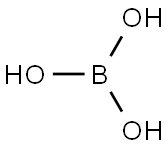
- 11113-50-1
- BH3O3
- 61.83
- All (30)
- China (20)
- (30)
- 7440-42-8
- B
- 10.81
- All (41)
- China (10)
- (41)
- 139701-24-9
- B3H2
- 35.04380
- All (41)
- China (10)
- (41)
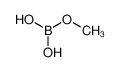
- 68498-84-0
- CH5BO3
- 75.85960
- All (0)
- China (0)
- (0)
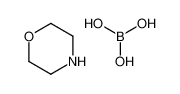
- 67859-78-3
- C4H12BNO4
- 148.95300
- All (0)
- China (0)
- (0)
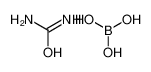
- 68072-56-0
- CH7BN2O4
- 121.88800
- All (0)
- China (0)
- (0)
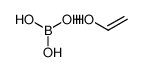
- 55199-96-7
- C2H7BO4
- 105.88600
- All (0)
- China (0)
- (0)
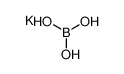
- 20786-60-1
- BH3KO3
- 100.93100
- All (0)
- China (0)
- (0)
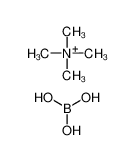
- 58272-25-6
- C4H15BNO3+
- 135.97800
- All (0)
- China (0)
- (0)
- 70331-86-1
- C6H7BO4
- 153.92800
- All (0)
- China (0)
- (0)
Related Products More >

- 12069-32-8
- Request For Quotation
- 320#kg
- 10043-11-5
- Request For Quotation
- 1kg
- 10043-11-5
- Request For Quotation
- 25kg
- 10043-11-5
- Request For Quotation
- 1ton
- 10043-11-5
- Request For Quotation
- 1kg
- 10043-11-5
- Request For Quotation
- 25kg
- 10043-11-5
- Request For Quotation
- 1ton
- 10294-34-5
- Request For Quotation
- 10kg


Hummingbirds are pretty small and delicate, so even tiny amounts of chemicals can be risky if ingested. But if you’re careful about placement and avoid mixing boric acid with anything the birds might drink, they’re usually safe. It’s really about keeping the poison where only bugs will find it, not in the open where your feathered friends could accidentally nibble or sip.
The primary mechanism of risk involves direct ingestion or secondary poisoning. Boric acid is sometimes used in homemade ant traps or dissolved in water to control insects around feeders. If a hummingbird consumes an insect that has been exposed to boric acid, or drinks from a water source where the compound is dissolved, it can ingest the substance. Boric acid disrupts cellular function and digestion in invertebrates, and similar metabolic interference can occur in birds, potentially leading to dehydration, digestive distress, or kidney dysfunction given their sensitive systems.
A practical example would be a gardener placing a boric acid sugar bait near a feeder to control ants. While intended to target pests, this setup could expose hummingbirds to the chemical if they contact the solution directly or consume contaminated insects. Given their rapid metabolism and feeding behavior, the cumulative effect of repeated exposure, even to small doses, could be harmful. It is therefore prudent to avoid using boric acid in any area frequented by hummingbirds and to employ alternative, targeted methods for pest management that do not risk contaminating their food or water sources.
Unlike many pesticides that target specific nervous system receptors in invertebrates, boric acid’s mechanism is more general, affecting a range of organisms, including hummingbirds, if exposure occurs. Hummingbirds may encounter boric acid through contaminated nectar sources—for example, if the acid is applied near flowering plants to control ants or other pests. Even small amounts could accumulate over time, given their constant feeding behavior, and while acute toxicity might require relatively large doses, chronic exposure could lead to reduced foraging efficiency or developmental issues in young birds. This distinguishes it from compounds that are metabolized quickly and excreted, as boric acid can persist in tissues due to its low volatility and water solubility, making it a greater concern for species with high intake rates.
A common misconception is that because boric acid is considered "natural" or low-risk for humans, it poses no threat to small birds like hummingbirds. This overlooks the significant differences in body size, metabolic rate, and physiological tolerance between humans and these avian species. A dose that is negligible for a human could be proportionally much higher for a hummingbird, which typically weighs only 2–20 grams. Additionally, hummingbirds have limited fat stores, so they lack a buffer against toxic substances that might be sequestered in fatty tissues in larger animals, increasing their vulnerability to even minor disruptions in metabolic processes caused by boric acid.
In practical scenarios such as gardens or outdoor spaces, boric acid is frequently applied in bait stations, sprays, or powders aimed at insects. If hummingbirds come into incidental contact with these applications—for example, by perching near treated surfaces or brushing against fine particles—the risk is minimal as long as the chemical is not ingested. However, its presence in nectar solutions, water dishes, or near feeding zones would present a significant hazard, as even trace amounts ingested can have disproportionate effects on their delicate physiology. The chemical’s solubility in water and ability to persist on surfaces can increase potential exposure, emphasizing the need for careful separation between treated areas and bird-accessible zones.
Considering broader implications, boric acid illustrates the challenge of balancing pest control with wildlife safety. Its usage highlights how a compound designed for one target species can inadvertently affect non-target organisms if exposure pathways overlap. Cross-disciplinary understanding, incorporating chemical properties, animal physiology, and environmental behavior, is essential to manage risk. Proper containment, application timing, and spatial separation in human environments can mitigate hazards to hummingbirds, demonstrating the importance of applying chemical knowledge in an ecologically sensitive manner.