


 Home
Home
I recently found an old bottle of boric acid in my cupboard and started wondering if it still works. Can boric acid lose its effectiveness over time? Does it go bad like food or medicine? How should I tell if it’s still safe to use for cleaning, pest control, or other household purposes? Are there signs that indicate it’s no longer good, or can it last indefinitely if stored properly?
Does Boric Acid Go Bad? Understanding Its Shelf Life
Related Encyclopedia
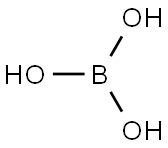
- 11113-50-1
- BH3O3
- 61.83
- All (30)
- China (20)
- (30)
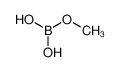
- 68498-84-0
- CH5BO3
- 75.85960
- All (0)
- China (0)
- (0)
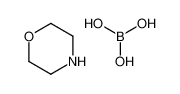
- 67859-78-3
- C4H12BNO4
- 148.95300
- All (0)
- China (0)
- (0)
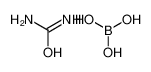
- 68072-56-0
- CH7BN2O4
- 121.88800
- All (0)
- China (0)
- (0)
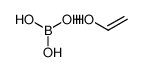
- 55199-96-7
- C2H7BO4
- 105.88600
- All (0)
- China (0)
- (0)
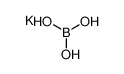
- 20786-60-1
- BH3KO3
- 100.93100
- All (0)
- China (0)
- (0)
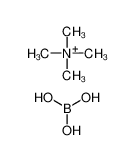
- 58272-25-6
- C4H15BNO3+
- 135.97800
- All (0)
- China (0)
- (0)
- 70331-86-1
- C6H7BO4
- 153.92800
- All (0)
- China (0)
- (0)
- 145384-46-9
- BDH2O3
- 62.83920
- All (0)
- China (0)
- (0)
- 145384-47-0
- BD2HO3
- 63.84530
- All (0)
- China (0)
- (0)
Related Products More >

- 96958-96-2
- Request For Quotation
- 25kg
- 96958-96-2
- Request For Quotation
- 1ton
- 96958-96-2
- Request For Quotation
- 25kg
- 96958-96-2
- Request For Quotation
- 1ton
- 96958-96-2
- Request For Quotation
- 25kg
- 96958-96-2
- Request For Quotation
- 1kg
- 96958-96-2
- Request For Quotation
- 25kg
- 96958-96-2
- Request For Quotation
- 1ton


Just make sure there’s no weird smell, mold, or discoloration—those are signs it might have been contaminated. For most household uses like cleaning, keeping insects away, or minor repairs, it usually still works fine even if it’s a bit old. So if it’s been stored properly, you probably don’t need to toss it.
The key factor influencing its longevity is storage; it should be kept in a sealed container away from moisture and extreme temperatures. Humidity can cause caking or clumping, which may affect ease of use but does not render the compound inactive. For instance, in pest control applications, clumped boric acid might be less dispersible but still retains its toxicity to insects by acting as a stomach poison that abrades their exoskeletons and disrupts their metabolism.
In medical or cosmetic contexts, such as in diluted solutions for eyewash or yeast infection treatments, purity is critical. If exposed to contaminants, the product should be discarded to avoid risks of infection, though the boric acid itself hasn’t spoiled. Similarly, in industrial settings like manufacturing or preservation, its antifungal and antiseptic properties persist indefinitely unless compromised by poor handling. Properly maintained, it remains a reliable resource across fields.
While boric acid itself is stable, its physical form can be affected by environmental factors that might indirectly impact its usability. For example, if exposed to high humidity, it can absorb moisture and clump, altering its texture but not its chemical composition. This clumping does not render it ineffective; the compound can still dissolve in water or perform its intended functions, such as in pest control or as a preservative, once broken down. It is important to distinguish this physical change from chemical degradation, as the latter would involve a change in molecular structure, which does not occur under normal circumstances.
A common misconception is that all chemical substances have a fixed "expiry date" after which they become unsafe or ineffective, but this does not apply universally to boric acid. Unlike pharmaceuticals, which may degrade into harmful byproducts, or pesticides with active ingredients that break down over time, boric acid’s stability means it retains its properties indefinitely when stored properly. However, it is still advisable to check for signs of contamination—such as discoloration or the presence of foreign particles—before use, as these could indicate exposure to incompatible substances that might affect its performance in specific applications.
The physicochemical characteristics of boric acid influence its interactions in various contexts. In biological systems, it can inhibit microbial growth by altering enzyme function and cellular metabolism, making it useful in antiseptic formulations. Industrially, it serves as a precursor for borate salts and glasses, where its thermal stability is advantageous. Even when stored for many years, boric acid retains its fundamental chemical behavior unless exposed to extreme conditions that might cause hydrolysis or contamination. The ability to preserve its functionality highlights the importance of proper handling and packaging in both consumer and professional applications, reinforcing its role as a reliable and multifaceted compound.
Across disciplines, understanding the longevity of boric acid informs both practical usage and safety considerations. In households, it ensures that older supplies remain effective for cleaning or pest management. In industrial and medical contexts, knowing that boric acid does not degrade quickly allows for confident use in formulations requiring consistent chemical performance. Its enduring stability, combined with low toxicity under normal conditions, underscores why boric acid remains a staple compound in chemical, medical, and environmental practices, bridging theoretical chemistry with real-world utility in everyday life.