


 Home
Home
I’ve heard that boric acid is useful for things like getting rid of pests or cleaning certain areas around the house, but I’m not really sure how often it’s safe to use. Can you sprinkle it daily, or should it only be used once in a while? What about using it for different purposes like pest control versus laundry? I don’t want to overdo it and cause problems for myself, my pets, or my home. So how often is it actually safe to use boric acid in everyday situations?
How Often Can You Use Boric Acid Safely?
Related Encyclopedia
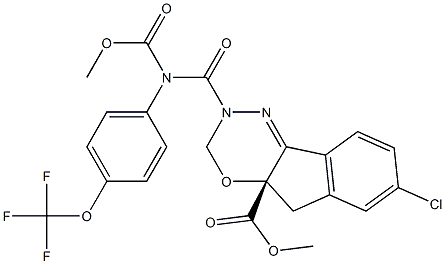
- 174060-41-4
- C22H17ClF3N3O7
- 527.8344896
- All (20)
- China (0)
- (20)
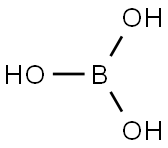
- 11113-50-1
- BH3O3
- 61.83
- All (30)
- China (20)
- (30)
- 7440-42-8
- B
- 10.81
- All (41)
- China (10)
- (41)
- 139701-24-9
- B3H2
- 35.04380
- All (41)
- China (10)
- (41)
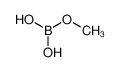
- 68498-84-0
- CH5BO3
- 75.85960
- All (0)
- China (0)
- (0)
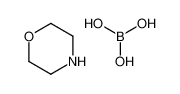
- 67859-78-3
- C4H12BNO4
- 148.95300
- All (0)
- China (0)
- (0)
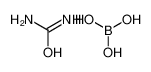
- 68072-56-0
- CH7BN2O4
- 121.88800
- All (0)
- China (0)
- (0)
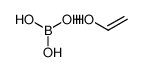
- 55199-96-7
- C2H7BO4
- 105.88600
- All (0)
- China (0)
- (0)
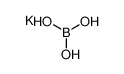
- 20786-60-1
- BH3KO3
- 100.93100
- All (0)
- China (0)
- (0)
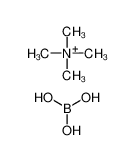
- 58272-25-6
- C4H15BNO3+
- 135.97800
- All (0)
- China (0)
- (0)
Related Products More >

- 12069-32-8
- Request For Quotation
- 320#kg
- 10043-11-5
- Request For Quotation
- 1kg
- 10043-11-5
- Request For Quotation
- 25kg
- 10043-11-5
- Request For Quotation
- 1ton
- 10043-11-5
- Request For Quotation
- 1kg
- 10043-11-5
- Request For Quotation
- 25kg
- 10043-11-5
- Request For Quotation
- 1ton
- 10294-34-5
- Request For Quotation
- 10kg


The mechanism through which boric acid operates involves creating an acidic environment that is inhospitable to certain pathogens. It exhibits mild antiseptic qualities and can inhibit the growth of microorganisms, such as yeast and bacteria, by disrupting their cellular functions. This makes it particularly useful for conditions like recurrent yeast infections, where restoring a healthy vaginal microbiome is the goal. A practical example includes individuals using a prescribed suppository for a 7 to 14-day cycle to alleviate symptoms and reduce recurrence, always under professional guidance to ensure safety.
Despite its benefits, boric acid is not suitable for everyone and should be used with caution. It is toxic if ingested and should never be used orally or on open wounds. Adhering to recommended frequencies and durations is critical, as overuse could potentially lead to irritation or disrupt natural flora. Consulting a healthcare provider is essential to determine an appropriate and personalized usage schedule, ensuring that the application remains both effective and safe for the individual’s needs.
The frequency of boric acid use depends on both the purpose and the method of application. In household pest management, periodic application is sufficient because its effects are cumulative; constant use does not significantly enhance outcomes and may increase exposure risks to humans and animals. Industrial uses, such as wood preservation or ceramic glazing, rely on controlled dosages and intervals to maintain effectiveness while avoiding material degradation. In clinical contexts, boric acid suppositories are administered according to specified treatment schedules, typically spaced to balance efficacy with safety and minimize irritation. Understanding its chemical stability and gradual mode of action helps explain why repeated, excessive applications are unnecessary.
Its broader significance lies in its ability to provide controlled chemical intervention in everyday and specialized scenarios without requiring harsh or reactive conditions. This makes it a practical choice for managing problems that involve microbial growth or insect infestations while offering predictable, manageable outcomes. Careful consideration of dosage, frequency, and environmental interactions ensures that boric acid can be used effectively and safely across a variety of contexts, reflecting the balance between chemical utility and human safety.
In clinical or antimicrobial applications, the frequency is tightly regulated to avoid toxicity. Unlike strong disinfectants that can be applied repeatedly in short intervals, boric acid’s weak nature means it often requires consistent but spaced use—for instance, in topical treatments, it might be applied once or twice daily over a week, as excessive or frequent application can lead to skin irritation or systemic absorption, particularly in individuals with compromised skin barriers. This contrasts with other antimicrobials that target specific enzymes and can be dosed more aggressively without such cumulative risks.
In agricultural contexts, as a pesticide or fungicide, its use is constrained by crop type and pest resistance. It cannot be applied arbitrarily; instead, intervals are based on the pest’s life cycle and the crop’s growth stage. Overuse here does not just risk plant damage but also disrupts soil microbial balance, unlike synthetic pesticides that may break down faster and allow for more frequent application. The key distinction lies in boric acid’s persistence in certain environments, which necessitates careful scheduling rather than unrestricted repetition.