


 Home
Home
Many people wonder if using boric acid suppositories can affect their chances of getting pregnant. Since these suppositories are often used to treat yeast infections or other vaginal issues, some might worry whether they can still conceive while using them. Could boric acid make it harder to get pregnant? Is it safe to try for a baby during treatment? How does it interact with sperm or the reproductive system? Basically, does using boric acid suppositories impact fertility in any way?
Can You Get Pregnant While Using Boric Acid Suppositories?
Related Encyclopedia
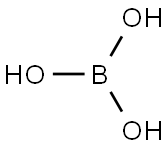
- 11113-50-1
- BH3O3
- 61.83
- All (30)
- China (20)
- (30)
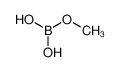
- 68498-84-0
- CH5BO3
- 75.85960
- All (0)
- China (0)
- (0)
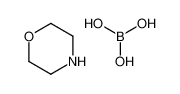
- 67859-78-3
- C4H12BNO4
- 148.95300
- All (0)
- China (0)
- (0)
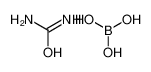
- 68072-56-0
- CH7BN2O4
- 121.88800
- All (0)
- China (0)
- (0)
- 55199-96-7
- C2H7BO4
- 105.88600
- All (0)
- China (0)
- (0)
- 20786-60-1
- BH3KO3
- 100.93100
- All (0)
- China (0)
- (0)
- 58272-25-6
- C4H15BNO3+
- 135.97800
- All (0)
- China (0)
- (0)
- 70331-86-1
- C6H7BO4
- 153.92800
- All (0)
- China (0)
- (0)
- 145384-46-9
- BDH2O3
- 62.83920
- All (0)
- China (0)
- (0)
- 145384-47-0
- BD2HO3
- 63.84530
- All (0)
- China (0)
- (0)
Related Products More >

- 96958-96-2
- Request For Quotation
- 25kg
- 96958-96-2
- Request For Quotation
- 1ton
- 96958-96-2
- Request For Quotation
- 25kg
- 96958-96-2
- Request For Quotation
- 1ton
- 96958-96-2
- Request For Quotation
- 25kg
- 96958-96-2
- Request For Quotation
- 1kg
- 96958-96-2
- Request For Quotation
- 25kg
- 96958-96-2
- Request For Quotation
- 1ton


That said, it’s good to keep in mind that if your vagina is irritated or inflamed from an infection, it might make sex a little uncomfortable, and sometimes infections can temporarily affect fertility. But the boric acid itself isn’t preventing pregnancy. Just make sure to follow the instructions carefully—don’t use more than recommended and keep things hygienic.
If you’re planning to conceive, it might be smart to finish the treatment first and then try, mostly so you’re comfortable and your body is ready. But chemically speaking, boric acid won’t block sperm or fertility.
From a physiological perspective, while boric acid can modify the vaginal microenvironment, this change is generally temporary and localized. It works by disrupting the cell membranes of certain fungi and bacteria, helping the body return to its natural microbial balance. This localized effect means that it does not interfere with the broader reproductive mechanisms, such as ovulation, fertilization, or implantation. In practice, this suggests that using boric acid suppositories does not inherently prevent pregnancy, though the presence of an active infection might influence conception efficiency temporarily due to discomfort or inflammation.
In daily life and medical practice, boric acid suppositories are valued for their safety profile when used as directed, though ingestion or overuse can lead to toxicity. Understanding their chemical and physical properties helps clarify why they are effective for local infections but neutral regarding systemic reproductive processes. Clinically, they offer a non-antibiotic approach to managing persistent vaginal infections, supporting women’s reproductive health without altering fertility directly.
The broader significance lies in appreciating how localized chemical interventions can treat infections effectively while leaving systemic reproductive functions unaffected. This distinction underscores the importance of considering both the chemical properties of treatments and the physiological context in which they are applied. Patients seeking conception can generally use boric acid suppositories without expecting interference with their chances of pregnancy.
The mechanism by which boric acid functions involves creating an environment that is unfavorable for the growth of certain pathogens, while still being compatible with the natural vaginal flora. It does not affect ovulation, sperm motility, or the process of fertilization. Therefore, it is entirely possible to become pregnant while using boric acid suppositories if unprotected intercourse occurs. In fact, some healthcare providers may advise against their use during attempts to conceive or suspected pregnancy due to potential risks, though evidence on systemic absorption is limited.
For example, an individual might use boric acid suppositories to manage a yeast infection and resume sexual activity without additional contraceptive methods, mistakenly assuming the suppositories offer reproductive protection. This highlights the importance of understanding that these suppositories serve a specific therapeutic role and are unrelated to fertility or conception. Always consult a healthcare provider for personalized advice regarding conception and topical treatments.
Pregnancy occurs when a sperm fertilizes an egg, which then implants in the uterus. For this to happen, viable sperm must reach the egg around the time of ovulation, and the reproductive system must be in a state that supports fertilization and implantation. Boric acid suppositories do not directly interfere with sperm viability, ovulation, or the transport of the egg through the fallopian tubes. Unlike some contraceptives that target these processes—such as hormonal methods that suppress ovulation or barrier methods that block sperm—boric acid has no inherent contraceptive effect.
It is important to distinguish between the safety of using boric acid during pregnancy and its potential to prevent pregnancy. While there is limited data on the effects of boric acid in pregnancy, and medical guidance often advises caution due to potential localized irritation or other unknown risks, this is separate from its ability to stop pregnancy from occurring. Using boric acid suppositories does not create a physical or chemical barrier that would reliably prevent sperm from reaching an egg, nor does it alter the hormonal or physiological conditions necessary for fertilization.
Misconceptions may arise from conflating the use of vaginal products with contraception, but boric acid lacks the mechanisms required to prevent pregnancy. Individuals using these suppositories should not rely on them as a form of birth control, as they do not address the key biological steps involved in conception. If preventing pregnancy is a goal, established contraceptive methods are necessary, regardless of the use of boric acid suppositories for other purposes.