


 Home
Home
You might have heard some people talk about boric acid and wonder if it can actually change the way you taste or smell. Can this chemical really affect your body in a way that makes your food taste different? Is there any truth behind the idea that it can enhance flavors or make someone taste “better” to others? Could it be safe or useful for that purpose, or is it just a misconception? How exactly would it work if it did, and should anyone even try it?
Does Boric Acid Make You Taste Better?
Related Encyclopedia
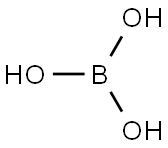
- 11113-50-1
- BH3O3
- 61.83
- All (30)
- China (20)
- (30)
- 7440-42-8
- B
- 10.81
- All (41)
- China (10)
- (41)
- 139701-24-9
- B3H2
- 35.04380
- All (41)
- China (10)
- (41)
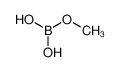
- 68498-84-0
- CH5BO3
- 75.85960
- All (0)
- China (0)
- (0)
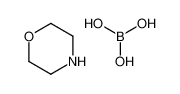
- 67859-78-3
- C4H12BNO4
- 148.95300
- All (0)
- China (0)
- (0)
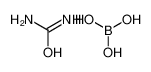
- 68072-56-0
- CH7BN2O4
- 121.88800
- All (0)
- China (0)
- (0)
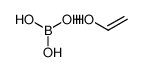
- 55199-96-7
- C2H7BO4
- 105.88600
- All (0)
- China (0)
- (0)
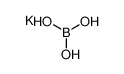
- 20786-60-1
- BH3KO3
- 100.93100
- All (0)
- China (0)
- (0)
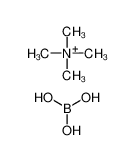
- 58272-25-6
- C4H15BNO3+
- 135.97800
- All (0)
- China (0)
- (0)
- 70331-86-1
- C6H7BO4
- 153.92800
- All (0)
- China (0)
- (0)
Related Products More >

- 12069-32-8
- Request For Quotation
- 320#kg
- 10043-11-5
- Request For Quotation
- 1kg
- 10043-11-5
- Request For Quotation
- 25kg
- 10043-11-5
- Request For Quotation
- 1ton
- 10043-11-5
- Request For Quotation
- 1kg
- 10043-11-5
- Request For Quotation
- 25kg
- 10043-11-5
- Request For Quotation
- 1ton
- 10294-34-5
- Request For Quotation
- 10kg


Most people won’t notice any difference from boric acid in terms of taste. Your body chemistry, hygiene, and diet are what really affect how you might taste to others. So if you’re curious about improving flavor naturally, think about eating well, drinking plenty of water, and keeping clean—those things actually work without any weird chemicals.
In everyday life, boric acid is often used for pest control, as a mild antiseptic for topical treatments, and in some industrial processes like glass or ceramics manufacturing. Its presence in these areas demonstrates its versatility, but it is not meant for ingestion or direct interaction with the human digestive or taste systems. Biochemically, altering human taste perception involves changes to saliva composition, skin microbiota, or other physiological parameters—factors that boric acid does not affect at safe levels. Its toxicity when ingested underscores that attempting to use it to influence personal taste would be both ineffective and hazardous.
From a broader perspective, boric acid illustrates how chemical compounds can have targeted applications based on their molecular interactions without crossing into domains like human sensory modification. While some cultural anecdotes suggest its use in unconventional ways, the scientific understanding of its behavior clarifies that taste alteration is outside its functional scope. In the context of health, safety, and chemical education, boric acid serves as an example of a compound with specialized utility, reinforcing the importance of understanding both its chemical mechanisms and physiological limitations.
In professional contexts, boric acid is valued for its antimicrobial and preservative properties, often used in medical settings as an antiseptic for minor wounds or in ophthalmic solutions due to its low toxicity at appropriate concentrations. It also plays a role in industrial processes, such as in the production of glass or ceramics, where its chemical stability is beneficial. These applications rely on its ability to disrupt microbial cell membranes or modify material properties, not on any interaction with human taste mechanisms.
A key distinction here is between substances that affect taste perception and those that have their own inherent taste. Unlike flavor enhancers like monosodium glutamate (MSG), which amplify the perception of umami by binding to specific receptors, boric acid does not interact with taste receptors to enhance or alter the taste of other substances. MSG works by activating glutamate receptors, thereby intensifying the savory notes in food, whereas boric acid lacks such receptor-specific interactions.
Potential misunderstanding often arise from conflating boric acid’s other properties with unrelated biological effects. For instance, because it is used in some personal care products, there might be incorrect assumptions about its impact on sensory experiences like taste. However, its presence in such products is for its preservative action, not for any taste-related purpose. Consuming boric acid in significant amounts is also unsafe, as it can cause gastrointestinal distress or other systemic issues, further emphasizing that it has no valid role in modifying taste.
From a biochemical perspective, taste perception is influenced by factors such as pH balance, bacterial flora, and individual physiology. Boric acid’s primary documented uses are as a preservative or antiseptic in controlled contexts, such as eyewash solutions or pest control. It lacks any known pathway to interact with taste receptors or modify salivary composition in a beneficial way. For instance, in laboratory settings, it functions as a buffer or disinfectant rather than a sensory enhancer.
In practical terms, relying on boric acid for such purposes is not only ineffective but also risky. Real-world examples include its role in managing minor infections or preserving cosmetics, where safety and concentration are strictly regulated. Any deviation toward personal use for taste alteration would be unsupported by evidence and potentially harmful. The compound’s properties remain niche and functional, unrelated to sensory improvement.