


 Home
Home
I'm curious about boric acid suppositories and how quickly they actually help. If I start using them for things like yeast infections or bacterial imbalances, when can I expect to notice relief? Do they work immediately, or does it take a few days to feel the difference? Also, does the time vary depending on the severity of the issue or how often I use them? Are there any signs that they’re working properly, and should I keep using them even if I don’t feel better right away? How long do boric acid suppositories actually take to work for most people?
How Long Do Boric Acid Suppositories Take to Work?
Related Encyclopedia
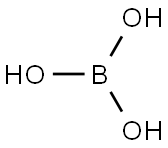
- 11113-50-1
- BH3O3
- 61.83
- All (30)
- China (20)
- (30)
- 7440-42-8
- B
- 10.81
- All (41)
- China (10)
- (41)
- 139701-24-9
- B3H2
- 35.04380
- All (41)
- China (10)
- (41)
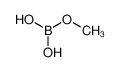
- 68498-84-0
- CH5BO3
- 75.85960
- All (0)
- China (0)
- (0)
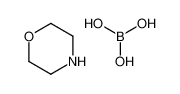
- 67859-78-3
- C4H12BNO4
- 148.95300
- All (0)
- China (0)
- (0)
- 68072-56-0
- CH7BN2O4
- 121.88800
- All (0)
- China (0)
- (0)
- 55199-96-7
- C2H7BO4
- 105.88600
- All (0)
- China (0)
- (0)
- 20786-60-1
- BH3KO3
- 100.93100
- All (0)
- China (0)
- (0)
- 58272-25-6
- C4H15BNO3+
- 135.97800
- All (0)
- China (0)
- (0)
- 70331-86-1
- C6H7BO4
- 153.92800
- All (0)
- China (0)
- (0)
Related Products More >

- 12069-32-8
- Request For Quotation
- 320#kg
- 10043-11-5
- Request For Quotation
- 1kg
- 10043-11-5
- Request For Quotation
- 25kg
- 10043-11-5
- Request For Quotation
- 1ton
- 10043-11-5
- Request For Quotation
- 1kg
- 10043-11-5
- Request For Quotation
- 25kg
- 10043-11-5
- Request For Quotation
- 1ton
- 10294-34-5
- Request For Quotation
- 10kg


The time it takes for boric acid suppositories to exert noticeable effects is influenced by several factors, including the concentration of the suppository, the severity of the infection or imbalance, and the individual’s physiological conditions such as pH level and vaginal flora composition. Typically, some relief from symptoms like itching, burning, or odor can be observed within two to three nights of consecutive use, but full restoration of the natural balance may require a complete treatment course, often extending to a week. The chemical interaction works gradually, as boric acid mildly acidifies the environment, limiting the proliferation of opportunistic organisms while leaving the beneficial microbes relatively undisturbed.
In broader contexts, boric acid demonstrates how simple inorganic compounds can be applied across medical, industrial, and domestic domains. Its antiseptic and antifungal properties are useful in controlling microbial growth in confined environments, and its low solubility allows for sustained release when formulated as a suppository. In medical practice, understanding both the chemical mechanism and the physiological response is crucial for optimizing use, ensuring safety, and minimizing adverse effects. The interplay between local chemical action and the body’s natural microbial ecosystem illustrates a principle applicable beyond this specific application: targeted chemical modulation can achieve therapeutic goals while maintaining systemic stability.
The active compound, boric acid, possesses mild antiseptic and antifungal properties that directly target pathogens without significantly disturbing beneficial flora when used appropriately. For instance, in cases of recurrent yeast infections, users often observe reduced itching and discharge within 2-3 days, with full resolution typically occurring over a week of daily use. The suppositories are designed to dissolve gradually, releasing the compound continuously for localized effect.
It’s important to follow usage guidelines precisely, as factors like the severity of infection or individual physiology can influence timing. Those with bacterial vaginosis might require a longer period—sometimes up to two weeks—to achieve symptomatic relief. Consistency is key; skipping doses can delay results. While many experience relatively quick relief, consulting a healthcare provider ensures appropriate application and rules out complications.
The time it takes for boric acid suppositories to work can vary significantly based on the condition being treated and individual patient factors. For uncomplicated vaginal yeast infections, some individuals may notice a reduction in symptoms like itching or discharge within 2-3 days of starting treatment, as the pH adjustment begins to inhibit fungal growth. However, for recurrent infections—those that persist despite standard antifungal therapy—improvement may take longer, often 1-2 weeks, as the suppositories need more time to rebalance the vaginal ecosystem and address underlying dysbiosis. It is important to note that this timeline differs from that of antifungal medications like fluconazole, which directly target fungal cells and may relieve symptoms more quickly, though they may not address the pH imbalance that contributes to recurrence.
A common misconception is that boric acid suppositories should provide immediate relief, similar to over-the-counter topical creams that numb or soothe irritated tissues. Unlike these creams, boric acid’s action is not symptomatic but corrective, focusing on restoring the vaginal environment rather than masking discomfort. This means that while it may not stop itching within hours, its effects are more sustained in preventing recurrence when used as directed. Additionally, it is crucial to use the suppositories consistently for the full recommended course—typically 7-14 days—even if symptoms improve, as stopping early can allow pathogenic organisms to regrow and prolong the condition.