


 Home
Home
If I just finished using Monistat for a yeast infection, I’m wondering when it’s actually safe to switch to boric acid suppositories. Can I use them the next day, or should I wait a few days? I’m curious because I’ve heard that using them too close together might cause irritation or make either treatment less effective. How do you know the right timing between the two, and is there any risk if you overlap them by mistake?
How Soon Can You Use Boric Acid After Monistat?
Related Encyclopedia
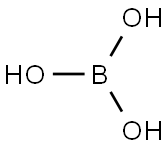
- 11113-50-1
- BH3O3
- 61.83
- All (30)
- China (20)
- (30)
- 68498-84-0
- CH5BO3
- 75.85960
- All (0)
- China (0)
- (0)
- 67859-78-3
- C4H12BNO4
- 148.95300
- All (0)
- China (0)
- (0)
- 68072-56-0
- CH7BN2O4
- 121.88800
- All (0)
- China (0)
- (0)
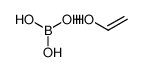
- 55199-96-7
- C2H7BO4
- 105.88600
- All (0)
- China (0)
- (0)
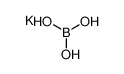
- 20786-60-1
- BH3KO3
- 100.93100
- All (0)
- China (0)
- (0)
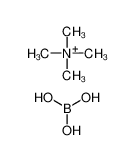
- 58272-25-6
- C4H15BNO3+
- 135.97800
- All (0)
- China (0)
- (0)
- 70331-86-1
- C6H7BO4
- 153.92800
- All (0)
- China (0)
- (0)
- 145384-46-9
- BDH2O3
- 62.83920
- All (0)
- China (0)
- (0)
- 145384-47-0
- BD2HO3
- 63.84530
- All (0)
- China (0)
- (0)
Related Products More >

- 96958-96-2
- Request For Quotation
- 25kg
- 96958-96-2
- Request For Quotation
- 1ton
- 96958-96-2
- Request For Quotation
- 25kg
- 96958-96-2
- Request For Quotation
- 1ton
- 96958-96-2
- Request For Quotation
- 25kg
- 96958-96-2
- Request For Quotation
- 1kg
- 96958-96-2
- Request For Quotation
- 25kg
- 96958-96-2
- Request For Quotation
- 1ton


The general recommendation is to wait 24 to 48 hours after completing a Monistat course before using boric acid. This interval allows the immediate antifungal action of Monistat to take full effect and reduces the risk of combining two agents that might irritate the vaginal mucosa. The vaginal epithelium is sensitive, and both products, when used consecutively without pause, could cause mild inflammation or discomfort, even though their chemical structures do not react with each other in a harmful way. Unlike combination therapies where drugs are designed to synergize, these two are often used sequentially to address persistent or recurrent infections, making timing crucial for balancing effectiveness and tolerability.
A common misconception is that these treatments can be used interchangeably or simultaneously without consequence. This overlooks their distinct roles: Monistat is often a first-line treatment for acute yeast infections, while boric acid is more commonly reserved for cases that are resistant to azole antifungals (like those in Monistat) or for maintaining a balanced vaginal environment post-treatment. Using boric acid too soon after Monistat does not negate the effects of either but may increase the likelihood of side effects such as burning or itching, which can complicate assessing whether the infection is resolving. It is also important to note that neither agent should be used without clear indication, as disrupting the natural vaginal flora unnecessarily can lead to further imbalances.
Boric acid functions as a pH regulator, restoring the vaginal environment to its natural acidic state which discourages pathogenic overgrowth. It is particularly valued for addressing recurrent or resistant infections. The timing for initiating boric acid after Monistat depends on individual response; once primary symptoms diminish from antifungal treatment, boric acid can be introduced for maintenance. For instance, if irritation persists post-Monistat, boric acid may help soothe residual inflammation while preventing relapse.
A practical approach involves completing the full Monistat course, allowing a day or two to assess remaining discomfort before considering boric acid suppositories. This sequential use leverages Monistat’s rapid antifungal action followed by boric acid’s stabilizing influence on vaginal ecology. Some healthcare providers recommend this combination for complex cases where immediate symptom control and sustained balance are both priorities.
From a chemical perspective, boric acid is stable and slightly hygroscopic, meaning it can absorb moisture, whereas Monistat formulations are cream-based and lipid-rich. Applying boric acid too soon after Monistat could create a physical interference, reducing the solubility and dispersion of the suppository, which might lower its efficacy. Additionally, the residual cream could temporarily alter local pH or moisture levels, potentially increasing the risk of mild irritation. By spacing the treatments by roughly 24 to 48 hours, the chemical environment stabilizes, allowing boric acid to function optimally without unintended interactions.
In practical terms, timing affects not just effectiveness but also comfort and tissue response. The vaginal mucosa is sensitive, and overlapping treatments may lead to increased burning, itching, or general discomfort. By waiting a short period, the epithelial surfaces recover from any irritation caused by the previous antifungal application, which helps ensure that subsequent boric acid use is both safe and tolerable. This consideration is significant not only for symptom relief but also for maintaining normal vaginal flora, which can be disrupted by repeated or overlapping chemical exposures.
From a broader perspective, understanding how sequential vaginal treatments interact highlights the importance of pharmacokinetics and local tissue dynamics in medical practice. Both compounds operate through chemical and biological mechanisms, yet their interaction is mediated by factors like solubility, pH, and tissue permeability. Proper timing maximizes the benefits of each treatment while minimizing unintended effects, demonstrating how seemingly simple choices in administration can influence health outcomes.