


 Home
Home
If someone is using boric acid suppositories to treat a vaginal infection, is it safe to have sexual intercourse during that time? Could sex interfere with how well the suppositories work, or possibly cause discomfort or irritation? Are there any risks of spreading infection or causing other side effects? Many people wonder if it’s okay to continue sexual activity while using these treatments, or if they should wait until the course is finished. So, is it safe to have sex while using boric acid suppositories?
Can You Have Sex While Using Boric Acid Suppositories?
Related Encyclopedia
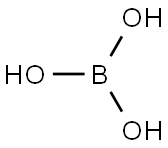
- 11113-50-1
- BH3O3
- 61.83
- All (30)
- China (20)
- (30)

- 7440-42-8
- B
- 10.81
- All (41)
- China (10)
- (41)
- 139701-24-9
- B3H2
- 35.04380
- All (41)
- China (10)
- (41)
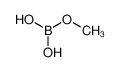
- 68498-84-0
- CH5BO3
- 75.85960
- All (0)
- China (0)
- (0)
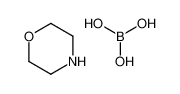
- 67859-78-3
- C4H12BNO4
- 148.95300
- All (0)
- China (0)
- (0)
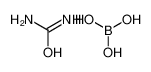
- 68072-56-0
- CH7BN2O4
- 121.88800
- All (0)
- China (0)
- (0)
- 55199-96-7
- C2H7BO4
- 105.88600
- All (0)
- China (0)
- (0)
- 20786-60-1
- BH3KO3
- 100.93100
- All (0)
- China (0)
- (0)
- 58272-25-6
- C4H15BNO3+
- 135.97800
- All (0)
- China (0)
- (0)
- 70331-86-1
- C6H7BO4
- 153.92800
- All (0)
- China (0)
- (0)
Related Products More >

- 12069-32-8
- Request For Quotation
- 320#kg
- 10043-11-5
- Request For Quotation
- 1kg
- 10043-11-5
- Request For Quotation
- 25kg
- 10043-11-5
- Request For Quotation
- 1ton
- 10043-11-5
- Request For Quotation
- 1kg
- 10043-11-5
- Request For Quotation
- 25kg
- 10043-11-5
- Request For Quotation
- 1ton
- 10294-34-5
- Request For Quotation
- 10kg


From a physiological perspective, the vaginal lining is sensitive and can be easily irritated. Introducing boric acid directly to the tissue is generally safe, but sexual activity during this period can mechanically displace the suppository, reducing its effectiveness. Friction or penetration may also exacerbate irritation or inflammation, which can compromise the intended therapeutic effect. Furthermore, sexual activity may inadvertently expose a partner to residual boric acid, which is mildly toxic when ingested or absorbed in larger amounts, although typical vaginal use is localized and low-dose. The chemical stability of boric acid allows it to maintain its antifungal action under normal conditions, but interference with its placement reduces contact time, which is crucial for achieving optimal results.
In practical daily life, using boric acid suppositories requires some behavioral considerations. Avoiding sexual intercourse ensures that the treatment can work without interruption, maintains comfort, and minimizes the risk of spreading infections. The interplay between chemical mechanism, local tissue response, and physical activity illustrates why timing and adherence are important. Understanding this integration of chemistry, physiology, and everyday behavior provides a comprehensive picture of why sexual activity during treatment is generally discouraged.
The primary reason for abstaining is that intercourse can physically disrupt the suppository before it fully dissolves and integrates into the vaginal tissue, reducing its effectiveness. Additionally, boric acid can be irritating to a partner’s skin, especially if there is direct contact with the suppository residue. This may cause discomfort or mild chemical irritation on mucosal surfaces or the penis.
Some healthcare providers suggest that if couples choose to be sexually active during treatment, using barriers like condoms may reduce direct exposure. However, this does not fully eliminate risks such as transfer of the substance or reduced efficacy of the treatment. For example, friction during intercourse might still expel partially dissolved material, interrupting the therapeutic process.
It’s important to follow the recommended treatment timeline—typically applied at bedtime for continuous absorption—and to wait until after the course is finished before resuming unprotected sexual activity. This supports full recovery and prevents reinfection or irritation for both partners.
Sexual activity could potentially alter the distribution of the suppository within the vagina. The physical movement involved might displace the suppository or reduce the contact time between the boric acid and the vaginal tissues, which could diminish its therapeutic effect. Additionally, boric acid is an irritant in higher concentrations, and friction from sexual activity might exacerbate any potential irritation of the vaginal mucosa or surrounding tissues, even if the suppository is formulated at a therapeutic dose. This is distinct from other vaginal treatments, such as some antifungal creams that are specifically designed to be compatible with sexual activity, as those often have different formulations with lower irritant potential.
Another consideration is the potential impact on a partner. While boric acid is not typically absorbed in significant amounts through intact skin, direct contact with the suppository or residual boric acid could cause irritation to a partner’s genital tissues, particularly if they have sensitive skin or existing conditions. This differs from barrier methods or some hormonal treatments, which generally do not pose such a direct irritant risk to partners. It is also worth noting that the presence of the suppository itself might cause physical discomfort during intercourse, which is a practical factor independent of the chemical properties but relevant to the overall experience.
It is important to clarify that the primary concern is not a chemical interaction between boric acid and bodily fluids or other substances involved in sexual activity, as boric acid is relatively stable in the vaginal environment and does not readily react with common biological compounds in that context. Instead, the key issues revolve around maintaining the therapeutic efficacy of the suppository and minimizing physical irritation for both partners. This distinction helps avoid the misunderstanding that there is a dangerous chemical reaction at play, when in reality the risks are more about practical and physical factors.