


 Home
Home
I’ve heard a lot about boric acid and how it’s used for different things, like killing pests or treating infections. But I’m curious—how quickly does it actually start working? Does it take hours, days, or weeks to see any effect? Does the speed depend on how it’s applied, like in powder, gel, or suppository form? And are there situations where it works faster or slower depending on what it’s being used for? I’m trying to figure out realistic expectations—so how fast does boric acid really work?
How Fast Does Boric Acid Work?
Related Encyclopedia
- 174060-41-4
- C22H17ClF3N3O7
- 527.8344896
- All (20)
- China (0)
- (20)
- 11113-50-1
- BH3O3
- 61.83
- All (30)
- China (20)
- (30)
- 68498-84-0
- CH5BO3
- 75.85960
- All (0)
- China (0)
- (0)
- 67859-78-3
- C4H12BNO4
- 148.95300
- All (0)
- China (0)
- (0)
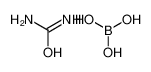
- 68072-56-0
- CH7BN2O4
- 121.88800
- All (0)
- China (0)
- (0)
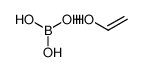
- 55199-96-7
- C2H7BO4
- 105.88600
- All (0)
- China (0)
- (0)
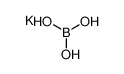
- 20786-60-1
- BH3KO3
- 100.93100
- All (0)
- China (0)
- (0)
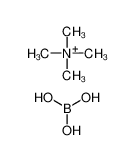
- 58272-25-6
- C4H15BNO3+
- 135.97800
- All (0)
- China (0)
- (0)
- 70331-86-1
- C6H7BO4
- 153.92800
- All (0)
- China (0)
- (0)
- 145384-46-9
- BDH2O3
- 62.83920
- All (0)
- China (0)
- (0)
Related Products More >

- 96958-96-2
- Request For Quotation
- 25kg
- 96958-96-2
- Request For Quotation
- 1ton
- 96958-96-2
- Request For Quotation
- 25kg
- 96958-96-2
- Request For Quotation
- 1ton
- 96958-96-2
- Request For Quotation
- 25kg
- 96958-96-2
- Request For Quotation
- 1kg
- 96958-96-2
- Request For Quotation
- 25kg
- 96958-96-2
- Request For Quotation
- 1ton


From a microbiological perspective, boric acid functions as a fungistatic agent against infections like vaginal candidiasis. It works by compromising the integrity of the fungal cell wall and membrane, inhibiting key enzymatic processes essential for the yeast's survival and proliferation. The onset of symptomatic relief and full eradication is not instantaneous; it requires consistent application over a period of several days to a week. This gradual action allows the compound to disrupt the biofilm and the reproductive cycle of the fungi without causing rapid cell lysis, which could potentially lead to inflammation.
The physical form of the compound is a key determinant of its efficacy and speed. A fine, dust-like powder presents a greater surface area and is more readily picked up by insects, whereas a granular formulation might be used as a bait. In medical uses, the acid is micronized and contained within suppositories to ensure direct and sustained local contact. For instance, a homeowner might notice a significant reduction in cockroach activity within three to five days after a proper application, while a patient following a prescribed seven to fourteen-day suppository regimen would experience a gradual resolution of symptoms as the fungal load decreases.
In everyday life, boric acid is applied in various formats—powders, gels, or suppositories—each influencing the rate of action. In industrial contexts, it functions as a flame retardant, glass stabilizer, and preservative, where its chemical stability ensures gradual, long-term efficacy rather than immediate changes. Its capacity to alter pH and osmotic balance is central to its effectiveness in both biological and non-biological systems. When used medicinally, for instance, it modifies local environments to be unfavorable for pathogens, leading to a gradual reduction in infection and inflammation. The timing of observable effects is thus a complex interplay between concentration, exposure duration, and the biological or chemical targets involved.
Understanding the broader implications, boric acid’s controlled, measured action makes it suitable for applications requiring sustained impact rather than instant results. Its mechanisms, though simple in principle, have cross-disciplinary significance, from public health measures and home care to industrial processes and environmental management. The compound’s effectiveness is contingent on proper application, highlighting the importance of following usage guidelines to ensure the desired outcome without unintended side effects. In essence, boric acid operates steadily, with its speed shaped by context, dosage, and method of delivery, reflecting its versatile nature across multiple domains.
In pest control, particularly against cockroaches or ants, the timeline extends further due to the mode of action. Boric acid acts as a stomach poison and desiccant; when ingested, it damages the insect’s digestive tract, and its abrasive properties wear down their exoskeletons, leading to dehydration. This process can take several days to a week, as the substance often needs to be carried back to nests by foraging insects, exposing the entire colony. This differs from contact insecticides that kill on immediate contact, as boric acid relies on ingestion and colony spread, requiring patience but offering longer-term control by targeting the source rather than just individual pests.
A common misconception is expecting immediate results, but boric acid’s strength lies in its gradual, targeted mechanism. In medical settings, for example, treating vaginal yeast infections, it may take 3-7 days to alleviate symptoms because it works by creating an inhospitable environment for yeast rather than directly killing them on contact. Its low toxicity to humans and animals, compared to harsher chemicals, also means it cannot act as quickly—there is no rapid chemical burn or shock effect, so its efficacy is measured over sustained exposure rather than instant action. This balance of safety and gradual effectiveness makes it valuable in contexts where long-term control or gentle treatment is prioritized.