


 Home
Home
I’ve heard that boric acid can help with certain vaginal infections and balance pH, but I’m wondering if it’s safe to use it right before having sex. Could it cause irritation, affect your partner, or change how sex feels? Are there any timing concerns or precautions I should know about if I want to try it? Is it okay to insert boric acid suppositories or use boric acid treatments just a few hours before being intimate, or could that lead to discomfort or other issues?
Can I Use Boric Acid Before Sex? What You Should Know
Related Encyclopedia
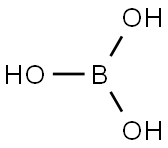
- 11113-50-1
- BH3O3
- 61.83
- All (30)
- China (20)
- (30)
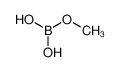
- 68498-84-0
- CH5BO3
- 75.85960
- All (0)
- China (0)
- (0)
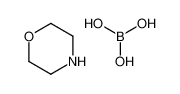
- 67859-78-3
- C4H12BNO4
- 148.95300
- All (0)
- China (0)
- (0)
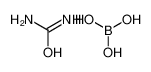
- 68072-56-0
- CH7BN2O4
- 121.88800
- All (0)
- China (0)
- (0)
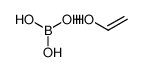
- 55199-96-7
- C2H7BO4
- 105.88600
- All (0)
- China (0)
- (0)
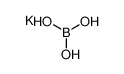
- 20786-60-1
- BH3KO3
- 100.93100
- All (0)
- China (0)
- (0)
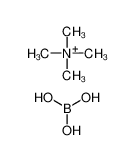
- 58272-25-6
- C4H15BNO3+
- 135.97800
- All (0)
- China (0)
- (0)
- 70331-86-1
- C6H7BO4
- 153.92800
- All (0)
- China (0)
- (0)
- 145384-46-9
- BDH2O3
- 62.83920
- All (0)
- China (0)
- (0)
- 145384-47-0
- BD2HO3
- 63.84530
- All (0)
- China (0)
- (0)
Related Products More >

- 96958-96-2
- Request For Quotation
- 25kg
- 96958-96-2
- Request For Quotation
- 1ton
- 96958-96-2
- Request For Quotation
- 25kg
- 96958-96-2
- Request For Quotation
- 1ton
- 96958-96-2
- Request For Quotation
- 25kg
- 96958-96-2
- Request For Quotation
- 1kg
- 96958-96-2
- Request For Quotation
- 25kg
- 96958-96-2
- Request For Quotation
- 1ton


Using boric acid directly before sexual activity is generally not advised, as it can cause localized irritation or discomfort for both partners. The chemical nature of boric acid means it can be mildly abrasive or drying when not fully dissolved, and immediate exposure during intimacy may interfere with natural lubrication or sensitivity. Additionally, the compound can potentially transfer to a partner, creating a risk of irritation externally. Its use is optimized when inserted several hours in advance or overnight, allowing it to dissolve completely and achieve the intended therapeutic effect without causing disruption during sexual activity.
From a broader perspective, boric acid represents an intersection of chemistry, medicine, and practical hygiene management. Its application showcases how a simple inorganic compound can exert a biological effect through pH modulation and microbial suppression. In daily life, its use extends beyond medical contexts, including industrial and household antiseptic purposes, demonstrating its versatility. Understanding its chemical properties and physiological interactions allows for safer, more effective application, and highlights the importance of timing and context in ensuring both efficacy and comfort.
Vaginal tissues have a delicate acidic pH balance, typically ranging from 3.8 to 4.5, which helps maintain a healthy microbiome and prevents overgrowth of harmful organisms. Boric acid, while weakly acidic, has a different mechanism of action compared to other vaginal care products like lactic acid-based formulations; lactic acid directly contributes to maintaining the natural pH, whereas boric acid’s efficacy lies more in its antimicrobial effects, especially against resistant fungal strains. This distinction is important because using boric acid without proper indication can disrupt the natural vaginal flora, potentially leading to irritation or increased susceptibility to other infections.
One common misconception is that boric acid can be used routinely as a prophylactic measure before sex to prevent infections. However, boric acid is not intended for regular use; it is generally prescribed for short-term treatment of specific conditions, such as recurrent vaginal yeast infections that have not responded to standard antifungal medications. Using it before sex without medical guidance may not only be ineffective but could also cause discomfort, as the acid can irritate sensitive tissues, especially if there is any existing inflammation or microabrasions.
Another point to clarify is the difference between boric acid and borax, a related compound often confused with it. Borax, or sodium borate, is more alkaline and significantly more toxic when used internally, making it unsafe for vaginal use, whereas boric acid, in appropriate concentrations (typically 600 mg suppositories), is considered relatively safe for short-term vaginal use under medical supervision. This distinction underscores the importance of using the correct compound and adhering to recommended dosages, as substituting borax for boric acid could lead to serious adverse effects.
It is also essential to note that boric acid should not be used during pregnancy, by individuals with certain medical conditions, or in combination with other vaginal products without consulting a healthcare provider. When considering use before sexual activity, communication with a healthcare professional is key to ensuring that it is appropriate for an individual’s specific health status and that any potential risks are minimized. This personalized guidance helps avoid improper use and ensures that the focus remains on maintaining vaginal health rather than introducing unnecessary interventions.
Regarding use before sex, it is generally not recommended to insert boric acid immediately prior to intercourse. The substance can be irritating to skin and mucous membranes, and direct contact with a partner’s skin could cause discomfort or chemical irritation. For example, if a suppository hasn't fully dissolved, residual powder could transfer, potentially leading to burning or inflammation for both parties. Moreover, boric acid is not a lubricant or a contraceptive; it lacks any properties that would prevent pregnancy or sexually transmitted infections.
The appropriate use involves completing a prescribed treatment cycle for an infection, typically inserting a suppository at bedtime and allowing it to dissolve fully overnight. This ensures the compound has time to act without causing interpersonal contact issues. If the goal is to feel fresher before intimacy, a better approach would be to maintain routine vaginal health through balanced hygiene and probiotics, rather than relying on boric acid immediately before sex. Consulting a healthcare provider is essential to determine safe and effective usage tailored to individual health needs.