


 Home
Home
I’ve been hearing people talk about using boric acid to deal with roaches, and it sounds like a common home remedy. But does it really work as well as they say? Is it safe to use around the house, and what makes it effective against these pests? Are there any special steps to make it work properly, or is just sprinkling it enough to get rid of them? Does boric acid kill roaches completely, or does it only reduce their numbers?
Is Boric Acid Good for Roaches?
Related Encyclopedia
- 174060-41-4
- C22H17ClF3N3O7
- 527.8344896
- All (20)
- China (0)
- (20)
- 11113-50-1
- BH3O3
- 61.83
- All (30)
- China (20)
- (30)
- 68498-84-0
- CH5BO3
- 75.85960
- All (0)
- China (0)
- (0)
- 67859-78-3
- C4H12BNO4
- 148.95300
- All (0)
- China (0)
- (0)
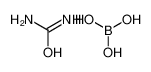
- 68072-56-0
- CH7BN2O4
- 121.88800
- All (0)
- China (0)
- (0)
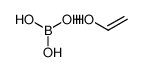
- 55199-96-7
- C2H7BO4
- 105.88600
- All (0)
- China (0)
- (0)
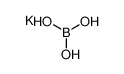
- 20786-60-1
- BH3KO3
- 100.93100
- All (0)
- China (0)
- (0)
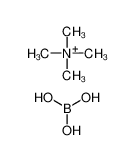
- 58272-25-6
- C4H15BNO3+
- 135.97800
- All (0)
- China (0)
- (0)
- 70331-86-1
- C6H7BO4
- 153.92800
- All (0)
- China (0)
- (0)
- 145384-46-9
- BDH2O3
- 62.83920
- All (0)
- China (0)
- (0)
Related Products More >
- 96958-96-2
- Request For Quotation
- 25kg
- 96958-96-2
- Request For Quotation
- 1ton
- 96958-96-2
- Request For Quotation
- 25kg
- 96958-96-2
- Request For Quotation
- 1ton
- 96958-96-2
- Request For Quotation
- 25kg
- 96958-96-2
- Request For Quotation
- 1kg
- 96958-96-2
- Request For Quotation
- 25kg
- 96958-96-2
- Request For Quotation
- 1ton


The key is placement. If you just throw it everywhere, it might not do much. Roaches like dark, hidden spots, so putting a thin layer in cracks, under sinks, behind the fridge, and near their hiding places works best. Don’t pile it up because they’ll avoid big clumps. A little goes a long way.
It’s also worth knowing that boric acid works slowly. You won’t see dead roaches in a few minutes like with sprays, but over days, it can wipe out a lot of them. Just keep pets and kids away from the powder, because even though it’s not as toxic as strong chemicals, it’s still not something you want them to touch or eat.
One critical distinction between boric acid and other roach control agents, such as pyrethroids, lies in its target specificity and persistence. Pyrethroids typically target the nervous system of a broad range of insects and can break down rapidly under UV light or high temperatures, requiring more frequent reapplication. Boric acid, by contrast, has a narrower spectrum of toxicity to non-target organisms like mammals, as its mode of action relies on specific enzymatic pathways less common in higher animals. This makes it a preferable option in residential settings where safety around pets or children is a concern, though it still requires careful placement to avoid unnecessary exposure.
A common misconception is that boric acid acts as a repellent, but in reality, it relies on roaches encountering and ingesting it. This means proper application—focusing on areas where roaches frequent, such as cracks, crevices, and under appliances—is crucial. Simply scattering it broadly across open surfaces may reduce its effectiveness, as roaches may avoid large, visible piles. Additionally, while it is slower-acting than some insecticides, taking several days to kill a roach, this delay can be beneficial: infected roaches often return to their nests, where the acid can be transferred to other members of the colony through grooming or scavenging, enhancing overall control.
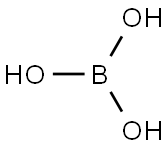
When roaches come into contact with boric acid powder, the fine particles adhere to their exoskeleton. This physical adherence is significant because boric acid possesses abrasive properties that damage the protective waxy layer of the insect’s cuticle, leading to gradual dehydration. Additionally, its action becomes more potent once ingested. Roaches groom themselves frequently, and in doing so, they ingest the compound. Inside the insect’s digestive system, boric acid disrupts enzymatic processes and metabolic pathways, ultimately impairing energy production and causing death over time. This dual mechanism—external desiccation and internal toxicity—makes boric acid a strategic choice for pest control.
From an interdisciplinary standpoint, boric acid’s application intersects chemistry, entomology, and environmental science. Unlike many synthetic insecticides, boric acid is relatively low in volatility and does not produce harmful fumes, making it safer for controlled household use. However, while it is less acutely toxic to humans and pets than conventional pesticides, it is not entirely without risk. Prolonged exposure or ingestion can cause health issues, which underscores the importance of applying it in targeted locations rather than indiscriminately.
Beyond household pest management, boric acid finds utility in manufacturing glass, ceramics, and flame retardants, and even in medicine as an antiseptic for minor wounds and eye washes in diluted concentrations. Its versatility reflects the compound’s chemical stability and wide-ranging functional properties. In the context of roach control, its slow-acting but persistent effect provides an advantage for integrated pest management strategies, reducing dependence on more hazardous chemical sprays while maintaining efficacy over time.
In practical application, the effectiveness of boric acid relies heavily on proper placement and a thin, almost invisible layer. For instance, applying it lightly under appliances, along baseboards, or in wall voids where roaches travel ensures they contact the powder without avoiding it. A common mistake is using too much, which roaches can detect and simply walk around. The delayed action of the acid is crucial, as affected roaches return to their nests and die, potentially being consumed by others, which can spread the toxin through secondary poisoning.
Homeowners often use it in combination with other methods, such as sealing entry points and maintaining cleanliness, to manage infestations. While not an instant solution, its residual activity allows it to remain effective for long periods if kept dry. It is considered a low-toxicity option for humans and pets when used correctly, though caution is still advised to avoid inhalation or ingestion. The compound’s stability and targeted mechanism make it a persistent tool in integrated pest management strategies.