


 Home
Home
I’ve heard that boric acid is a common way to get rid of roaches, but I’m not sure how fast it works. Can it kill them overnight, or does it take a few days? How should I use it around my home to see results, and does it work on all types of roaches? I want to understand the timing and effectiveness before trying it, and I’m curious whether the roaches will die quickly after touching it or if it’s a slower process. How long does boric acid actually take to kill roaches?
How Long Does Boric Acid Take to Kill Roaches?
Related Encyclopedia
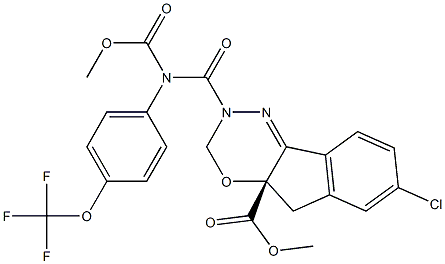
- 174060-41-4
- C22H17ClF3N3O7
- 527.8344896
- All (20)
- China (0)
- (20)
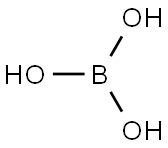
- 11113-50-1
- BH3O3
- 61.83
- All (30)
- China (20)
- (30)
- 1319-33-1
- BCaNaO3
- 121.87700
- All (0)
- China (0)
- (0)
- 53529-07-0
- BK2NaO3
- 159.99600
- All (0)
- China (0)
- (0)
- 68498-84-0
- CH5BO3
- 75.85960
- All (0)
- China (0)
- (0)
- 67859-78-3
- C4H12BNO4
- 148.95300
- All (0)
- China (0)
- (0)
- 68072-56-0
- CH7BN2O4
- 121.88800
- All (0)
- China (0)
- (0)
- 55199-96-7
- C2H7BO4
- 105.88600
- All (0)
- China (0)
- (0)
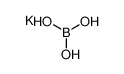
- 20786-60-1
- BH3KO3
- 100.93100
- All (0)
- China (0)
- (0)
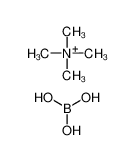
- 58272-25-6
- C4H15BNO3+
- 135.97800
- All (0)
- China (0)
- (0)
Related Products More >

- 96958-96-2
- Request For Quotation
- 25kg
- 96958-96-2
- Request For Quotation
- 1ton
- 96958-96-2
- Request For Quotation
- 25kg
- 96958-96-2
- Request For Quotation
- 1ton
- 96958-96-2
- Request For Quotation
- 25kg
- 96958-96-2
- Request For Quotation
- 1kg
- 96958-96-2
- Request For Quotation
- 25kg
- 96958-96-2
- Request For Quotation
- 1ton


It works best if you sprinkle it in areas where roaches hang out, like under sinks, behind appliances, or along baseboards. Keep it dry because if it gets wet, it loses its effectiveness. One of the nice things about boric acid is that it can keep working for a while, so even roaches that come later might pick it up. You don’t need to spray it all over—just little trails where you’ve seen them crawling.
The compound’s properties, such as low solubility in water and mild acidity, make it stable in household environments. It can remain effective for extended periods when applied in dry, undisturbed areas. In practical scenarios, boric acid is often placed in thin layers along edges, corners, and behind appliances where roaches frequently travel. Its delayed toxicity allows insects to carry small amounts back to hidden areas, indirectly affecting other members of the colony. From an interdisciplinary perspective, boric acid demonstrates an intersection of chemistry, biology, and pest management, illustrating how a simple inorganic compound can influence ecological interactions within built environments.
Beyond household use, boric acid has applications in industrial settings, including material preservation and as an antiseptic, which underscores its multifunctional nature. In everyday pest control, understanding the time frame for roach elimination is crucial: immediate results are unlikely, and consistent application over several days maximizes effectiveness. The physical adherence to the insect and the biochemical disruption combine to create a method that is both targeted and low-risk for humans and pets when used appropriately. This provides insight into why boric acid remains a standard component in integrated pest management approaches, balancing efficacy with practical safety.
The time frame for boric acid to kill roaches typically ranges from three to ten days, though this can vary based on factors like the concentration of the application, the size of the cockroach population, and the availability of alternative food sources. Unlike contact insecticides that may kill on impact, boric acid’s effectiveness relies on both ingestion and its persistence in the environment. It remains active as long as it stays dry and undisturbed, making it a sustained control method rather than a quick knockdown solution. This distinguishes it from pyrethroids, for example, which target the nervous system directly and often cause rapid paralysis but may break down more quickly under environmental conditions.
A common misconception is that boric acid will eliminate a cockroach infestation overnight, but its mode of action requires patience. Smaller nymphs may succumb more quickly than adult cockroaches due to their smaller body mass and faster metabolic rates, while adults with established energy stores may take longer to show signs of toxicity. Additionally, boric acid can be transferred indirectly within a colony—when affected cockroaches return to their harborage, other roaches may come into contact with the powder on their bodies or consume it through cannibalism, extending its impact beyond the initial individuals exposed. This secondary transfer enhances its long-term effectiveness but also means the full effect is not immediate.
The delayed action is actually a strategic advantage. Because boric acid doesn’t kill immediately, the affected roach has time to return to its nest. There, it excretes the poison and may die near others, who might then consume its contaminated feces or body, inadvertently spreading the toxin throughout the colony. This secondary kill effect is a cornerstone of its success, allowing a single application to impact a larger population over time.
For optimal results, the powder must be applied in a thin, barely visible layer in high-traffic areas like under appliances, along cabinets, or near plumbing pipes. A common mistake is using too much, which roaches will simply avoid. When used correctly, its efficacy is notable; for instance, a homeowner might notice a significant decline in roach sightings within one to two weeks, though complete eradication requires persistence and integrated pest management. The timeline can vary based on the level of infestation and environmental factors.