


 Home
Home
You’ve probably heard about boric acid somewhere, maybe in cleaning products or pest control, but what exactly is it used for? People often wonder if it’s just for bugs or if it has other purposes around the house. Can it be used safely for health or hygiene? What are the everyday situations where boric acid comes in handy, and how do people usually apply it? Is it something you keep in your medicine cabinet or your garden shed? How do different uses compare in safety and effectiveness?
What Is Boric Acid Used For?
Related Encyclopedia
- 174060-41-4
- C22H17ClF3N3O7
- 527.8344896
- All (20)
- China (0)
- (20)
- 11113-50-1
- BH3O3
- 61.83
- All (30)
- China (20)
- (30)
- 7440-42-8
- B
- 10.81
- All (41)
- China (10)
- (41)
- 139701-24-9
- B3H2
- 35.04380
- All (41)
- China (10)
- (41)
- 68498-84-0
- CH5BO3
- 75.85960
- All (0)
- China (0)
- (0)
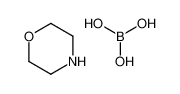
- 67859-78-3
- C4H12BNO4
- 148.95300
- All (0)
- China (0)
- (0)
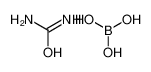
- 68072-56-0
- CH7BN2O4
- 121.88800
- All (0)
- China (0)
- (0)
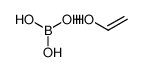
- 55199-96-7
- C2H7BO4
- 105.88600
- All (0)
- China (0)
- (0)
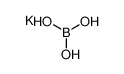
- 20786-60-1
- BH3KO3
- 100.93100
- All (0)
- China (0)
- (0)
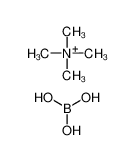
- 58272-25-6
- C4H15BNO3+
- 135.97800
- All (0)
- China (0)
- (0)
Related Products More >

- 12069-32-8
- Request For Quotation
- 320#kg
- 10043-11-5
- Request For Quotation
- 1kg
- 10043-11-5
- Request For Quotation
- 25kg
- 10043-11-5
- Request For Quotation
- 1ton
- 10043-11-5
- Request For Quotation
- 1kg
- 10043-11-5
- Request For Quotation
- 25kg
- 10043-11-5
- Request For Quotation
- 1ton
- 10294-34-5
- Request For Quotation
- 10kg


In medical and personal care contexts, dilute boric acid solutions serve as eyewashes for irrigation and have been traditionally used in topical preparations for minor skin infections. Its antifungal properties make it a common ingredient in treatments for conditions like vaginal yeast infections. Beyond healthcare, it functions as a versatile insecticide, particularly effective against ants, cockroaches, and termites. When ingested by insects, it interferes with their metabolic pathways and damages their exoskeletons, leading to dehydration and death. Household products such as insect baits and powders leverage this toxicity.
Industrial applications include its use as a flame retardant in cellulose insulation, textiles, and wood products, where it releases water when heated to suppress combustion. It also serves as a precursor in the manufacture of borosilicate glass, which exhibits high thermal shock resistance due to the presence of boron. In laboratories, boric acid is employed in buffer solutions to maintain stable pH levels during chemical processes. Another practical example is its inclusion in nuclear power plants as a neutron absorber, helping to regulate reactor fission rates. Each application directly correlates with the compound’s chemical stability, low toxicity to humans at appropriate concentrations, and reactivity with organic and inorganic materials.
From a medical perspective, boric acid’s mild antiseptic qualities enable it to be used in certain topical applications and hygiene products, including eye washes, ear drops, and vaginal suppositories, where it helps restore or maintain microbial balance. Its interaction with biological systems involves altering pH levels and disrupting microbial enzymatic activity, which underpins its efficacy in these scenarios. Beyond health and household use, boric acid is significant in industrial contexts, such as in glass manufacturing, ceramics, and as a flame retardant, where it modifies material properties at the chemical level, improving durability, thermal stability, or resistance to microbial colonization.
The compound’s physicochemical attributes, including solubility in water and stability under a wide range of temperatures, further expand its utility. Boric acid also finds application in agricultural practices, acting as a micronutrient supplement for plants, supporting cellular functions and growth due to the essential role of boron. Its widespread use illustrates a compelling intersection of chemistry, biology, and materials science, demonstrating how a simple compound can impact everyday life, industrial efficiency, and even environmental management. The breadth of its applications highlights the importance of understanding both the chemical mechanisms and practical contexts in which boric acid operates.
In the realm of materials science, boric acid serves as a crucial additive in the production of glass and ceramics. When incorporated into glass formulations, it lowers the melting point and reduces thermal expansion, enhancing the glass’s resistance to thermal shock—a property vital for laboratory glassware and heat-resistant windows. In ceramics, it acts as a flux, promoting the fusion of raw materials during firing and improving the finished product’s density and strength. Unlike other fluxes like sodium carbonate, which can introduce unwanted sodium ions affecting certain ceramic properties, boric acid offers a more controlled fluxing action without such ionic interference.
Within the field of pest management, boric acid functions as an effective insecticide with a mode of action distinct from synthetic pyrethroids or organophosphates. It works by disrupting the insect’s exoskeleton and interfering with its metabolic processes; when ingested, it binds to enzymes, inhibiting their function and leading to dehydration and death. This mechanism is selective, posing minimal risk to mammals at typical application concentrations, which sets it apart from broader-spectrum insecticides that may harm non-target organisms. Its low volatility and persistence also make it suitable for long-term use in areas like wall voids or storage facilities.
In medical and pharmaceutical settings, boric acid is utilized as an antiseptic and astringent, particularly in ophthalmic and dermatological preparations. Its ability to inhibit the growth of bacteria, fungi, and some viruses stems from its disruption of microbial cell membranes and enzyme systems. For example, in eye drops, it helps cleanse and soothe irritated eyes by reducing microbial load, while in topical creams, it aids in treating conditions like athlete’s foot by targeting fungal pathogens. Unlike stronger antiseptics such as hydrogen peroxide, which can cause tissue irritation, boric acid is gentle enough for use on sensitive tissues when properly diluted.
A common misconception is that boric acid’s weak acidity makes it ineffective in industrial or medical applications, but this overlooks its specific chemical interactions that drive its utility. Its role is not dependent on strong acid properties but on its ability to participate in complexation reactions, modify material properties, or interfere with biological processes at a molecular level, each of which is critical in its respective professional domain.