


 Home
Home
I’ve heard that boric acid can help with vaginal health, but is it safe or effective to use right after sex? Can it prevent infections or irritation? Should it be applied immediately, or is it better to wait? Are there risks involved if I use it after intercourse? What do experts or everyday users recommend when it comes to timing and frequency?
Should I Use Boric Acid After Sex? What You Need to Know
Related Encyclopedia

- 12400-75-8
- CuO4S-
- 159.60900
- All (15)
- China (14)
- (15)
- 11113-50-1
- BH3O3
- 61.83
- All (30)
- China (20)
- (30)
- 1319-33-1
- BCaNaO3
- 121.87700
- All (0)
- China (0)
- (0)
- 53529-07-0
- BK2NaO3
- 159.99600
- All (0)
- China (0)
- (0)

- 80867-41-0
- CuH10O9S
- 249.68500
- All (0)
- China (0)
- (0)

- 1344-73-6
- CuH2O8S2
- 257.69
- All (1)
- China (0)
- (1)

- 10257-54-2
- CuH4O5S
- 179.63
- All (16)
- China (3)
- (16)

- 155146-35-3
- CuH2O9S
- 241.62100
- All (86)
- China (14)
- (86)
- 68498-84-0
- CH5BO3
- 75.85960
- All (0)
- China (0)
- (0)
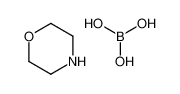
- 67859-78-3
- C4H12BNO4
- 148.95300
- All (0)
- China (0)
- (0)
Related Products More >

- 7758-99-8
- USD 3000.0000
- 25kg
- 96958-96-2
- Request For Quotation
- 25kg
- 96958-96-2
- Request For Quotation
- 1ton
- 96958-96-2
- Request For Quotation
- 25kg
- 96958-96-2
- Request For Quotation
- 1ton
- 96958-96-2
- Request For Quotation
- 25kg
- 96958-96-2
- Request For Quotation
- 1kg
- 96958-96-2
- Request For Quotation
- 25kg


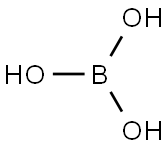
Most folks just focus on simple things like washing gently, staying dry, or changing out of wet clothes. Boric acid comes in capsules or suppositories, and it slowly works over time, so popping it right after sex isn’t going to give instant protection. Also, don’t use it if you’re pregnant or have cuts or sores, since it can be harsh.
If you’re curious or have ongoing issues, it’s best to talk to a healthcare provider to see if boric acid is right for you. Some people find it helpful for stubborn infections, but it’s not a one-size-fits-all solution.
Using boric acid immediately after sexual intercourse may not be necessary for everyone. Physiologically, the vagina has natural defense mechanisms, such as mucus and beneficial bacteria, which help manage microbial balance after sex. Introducing boric acid right away could temporarily disturb this balance if there’s no underlying infection. In certain medical applications, boric acid is prescribed for recurring infections or specific fungal overgrowth, rather than as a routine post-intercourse intervention. Its timing and method of administration are important to ensure effectiveness while minimizing irritation or tissue disruption.
From a multidisciplinary perspective, boric acid demonstrates how chemical compounds can intersect with human biology, hygiene practices, and healthcare approaches. It exemplifies the careful balance between antimicrobial action and maintaining normal physiological conditions. In everyday life, its use extends beyond medicine into cleaning agents and pest control, showing the versatile nature of a simple compound. Understanding both its chemical and biological interactions helps clarify why its application is targeted and should be guided by specific conditions rather than generalized routine use.
Using boric acid after sex is not a standard or recommended practice in clinical settings, and understanding why requires distinguishing it from products designed for intimate care. Unlike pH-balanced cleansers or prescribed antimicrobial treatments, boric acid is not formulated to maintain the delicate vaginal microbiome. The vagina naturally maintains an acidic pH (typically 3.8–4.5) that helps protect against pathogens, and introducing boric acid—even in low concentrations—can disrupt this balance, potentially leading to irritation, dryness, or even increased susceptibility to infections by altering the population of beneficial lactobacilli.
Another key distinction lies in its intended use: boric acid is sometimes used in very specific cases, such as recurrent vulvovaginal candidiasis (yeast infections), but only under strict medical supervision and in controlled, low-dose formulations (like suppositories). Even then, it is not applied immediately after sex; timing and dosage are carefully managed to minimize side effects. Using it casually after intercourse, without such supervision, ignores the fact that sexual activity itself can temporarily alter vaginal pH, and adding boric acid in this context may exacerbate rather than address any potential issues.
A common misconception is that boric acid’s mild antimicrobial properties make it suitable for "cleaning" after sex, but this overlooks its lack of specificity. It does not effectively target the types of pathogens typically transmitted during sex, such as sexually transmitted infections (STIs), and cannot replace proper hygiene practices or protection methods like condoms. In fact, applying boric acid to irritated or microscopically damaged tissue—common after intercourse—can cause stinging or burning sensations, as the acid interacts with sensitive mucosal surfaces.
It is also important to consider systemic absorption, though minimal with topical use. Boric acid is toxic when ingested, and while vaginal absorption is limited, repeated or improper use could lead to cumulative effects, especially in individuals with underlying health conditions or those taking certain medications that affect kidney function, as the kidneys are responsible for excreting boron compounds. This further underscores why it should never be used without professional guidance, particularly in contexts like post-sex care where its risks clearly outweigh any unproven benefits.
In practical terms, some individuals use boric acid suppositories after intercourse to counteract potential disruptions caused by semen, which has a higher pH and might temporarily alter the vaginal environment. This application may be relevant for those prone to recurrent issues like bacterial vaginosis or yeast infections, as it could assist in restoring equilibrium. For example, someone experiencing mild discomfort or noticing unusual odor post-sex might find it helps mitigate symptoms when used occasionally and under guidance.
However, it is essential to emphasize that boric acid should not be used without consulting a healthcare provider, as improper application can lead to irritation or more severe complications. It is not suitable for everyone, particularly during pregnancy or if there are open sores or cuts. While it can be a supportive tool for specific concerns, it is not a universal solution and should be integrated cautiously into personal care routines, always prioritizing professional medical advice over self-directed use.