


 Home
Home
Hi, I’ve been thinking about using polyurethane for some DIY projects at home, but I’m not quite sure about the safety aspects. I know it’s a common finish for wood and furniture, but can it be harmful if I touch it or breathe in the fumes? Are there specific types that are safer than others? I’m also curious about how long I should wait before it’s completely safe to use the finished item. Could someone clarify if polyurethane is truly safe for everyday use?
Is Polyurethane Safe to Use in Homes and Everyday Projects?
Related Encyclopedia
- 9009-54-5
- C3H8N2O
- 0
- All (13)
- China (0)
- (13)
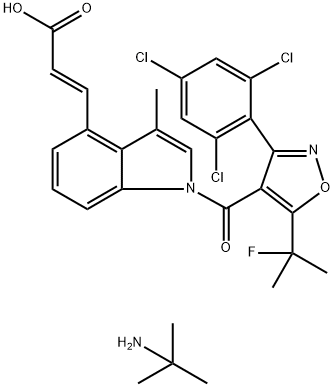
- 1898207-64-1
- C29H29Cl3FN3O4
- 608.92
- All (0)
- China (0)
- (0)
- 125995-89-3
- C5H6LiNP
- 118.02300
- All (22)
- China (20)
- (22)
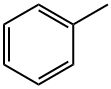
- 108-88-3
- C7H8
- 92.14
- All (22)
- China (20)
- (22)
- 69166-52-5
- C5H5NO2
- 111.09900
- All (0)
- China (0)
- (0)
- 220047-49-4
- C14H23NO
- 221.33900
- All (0)
- China (0)
- (0)
- 23009-35-0
- C3H5NOS
- 103.14300
- All (0)
- China (0)
- (0)
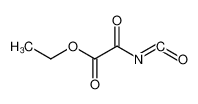
- 66913-88-0
- C5H5NO4
- 143.09700
- All (0)
- China (0)
- (0)
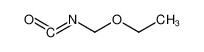
- 6427-24-3
- C4H7NO2
- 101.10400
- All (0)
- China (0)
- (0)
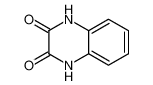
- 15804-29-2
- CH2N2O3S
- 122.10300
- All (0)
- China (0)
- (0)
Related Products More >

- 101-68-8
- CNY Request For Quotation
- 101-68-8
- CNY Request For Quotation
- 101-68-8
- CNY Request For Quotation
- 101-68-8
- CNY Request For Quotation
- Request For Quotation
- 1310-73-2
- Request For Quotation
- 75-13-8
- CNY 180000.0000
- 1ton


Cured polyurethane, by contrast, forms a stable, cross-linked polymer network where reactive components are chemically bound, eliminating the release of harmful substances under normal conditions. This makes cured polyurethane safe for most everyday interactions—e.g., furniture coatings, foam cushions, or shoe soles—where skin contact or proximity is common. Its safety profile here differs from materials like lead-based paints or asbestos, which remain hazardous even in cured form.
In professional contexts (construction, manufacturing), managing uncured polyurethane’s risks is critical: proper ventilation, gloves, and respirators prevent overexposure, aligning with safety protocols for reactive chemicals. Flame-retardant or low-VOC formulations further enhance safety by reducing toxic fume release during combustion or minimizing solvent exposure.
A common misconception is that “all polyurethane is unsafe”: cured products pose negligible risks, while hazards are limited to uncured stages. Another misunderstanding equates “chemical complexity” with danger—polyurethane’s cured structure, despite its molecular complexity, is inert and non-toxic in typical use. In practice, safety hinges on handling: uncured polyurethane demands caution, but cured forms are integral to safe, durable products across industries, from medical devices to consumer goods.
From a physiological perspective, polyurethane’s biocompatibility depends on its formulation and intended use. Medical-grade polyurethanes, engineered without toxic plasticizers like phthalates, are widely used in catheters, pacemaker leads, and artificial hearts due to their flexibility, durability, and resistance to bodily fluids. However, long-term implantation studies highlight the importance of controlling hydrolysis rates; improper degradation can release microplastics or oligomers, potentially inducing inflammation. In consumer products, water-based polyurethane coatings are preferred over solvent-based variants to reduce VOC emissions, aligning with indoor air quality standards in residential and commercial spaces.
Cross-disciplinary impacts reveal broader safety considerations. In automotive manufacturing, polyurethane foams in seat cushions must meet flammability regulations without using brominated flame retardants, which can generate dioxins if incinerated. Instead, phosphorus-based additives or intumescent coatings are employed, demonstrating how material safety drives innovation in green chemistry. Similarly, in sustainable construction, polyurethane insulation’s energy-saving benefits are weighed against its global warming potential during production, spurring research into bio-based polyols derived from plant oils. These examples underscore a universal principle: polyurethane’s safety is not an inherent trait but a dynamic interplay of molecular design, regulatory frameworks, and societal priorities, requiring continuous evaluation to balance performance with environmental and human health.
When applied correctly, polyurethane becomes inert after curing, meaning that furniture or floors coated with it are safe for everyday contact. For example, a wooden dining table finished with a fully cured polyurethane coat poses no health risk during regular use. However, during application, wearing gloves, a mask, and ensuring adequate ventilation are crucial precautions, especially for prolonged or repeated exposure. Industrial uses, such as in protective coatings for machinery or automotive finishes, follow strict safety guidelines to minimize inhalation or skin contact with uncured resin.
It’s also important to note that some specialty polyurethanes, like those designed for marine or high-heat environments, may include additives that require additional handling care. Overall, understanding the chemical composition, proper application, and adequate curing times ensures that polyurethane can be used safely in both residential and industrial contexts. Proper precautions during application are what make it safe, rather than an inherent risk in the material itself.