


 Home
Home
Hi, I'd like to ask—why might collagen supplements not seem to work? Could you explain the reasons? Also, does the effectiveness of collagen supplements depend on the dosage or the timing of when you take them? How can individual differences, like age or metabolism, affect how well the supplements work? And does taking other nutrients, like vitamin C, at the same time impact the absorption of collagen? Thanks!
Why Do Collagen Supplements Sometimes Fail to Work?
Related Encyclopedia
- 9007-34-5
- 0
- All (14)
- China (1)
- (14)
- 9064-67-9
- C4H6N2O3R2.(C7H9N2O2R)n
- 0
- All (14)
- China (1)
- (14)
- 3429-55-8
- C12H28Si
- 200.43600
- All (2)
- China (0)
- (2)

- 1323-19-9
- C19H25NaO3S
- 356.45500
- All (2)
- China (0)
- (2)
- 108526-18-7
- C19H25NaO3S
- 356.45500
- All (2)
- China (0)
- (2)
- 92113-31-0
- CO(NH2)2,Fe+++
- 0
- All (3)
- China (0)
- (3)
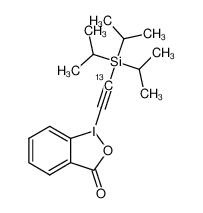
- 1203447-57-7
- C18H25IO2Si
- 429.37300
- All (0)
- China (0)
- (0)
- 318496-58-1
- C17H22S2Si
- 318.57200
- All (0)
- China (0)
- (0)
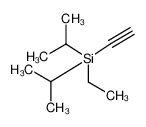
- 1031302-96-1
- C10H20Si
- 168.35100
- All (0)
- China (0)
- (0)
- 261618-48-8
- C13H22SSi
- 238.46400
- All (0)
- China (0)
- (0)
Related Products More >

- 1310-73-2
- Request For Quotation
- 657-27-2
- USD 1050.0000
- 25kg
- 9010-66-6
- USD 9.0000
- 50kg
- 72-18-4
- USD 45.0000
- 25kg
- 74-79-3
- USD 92.0000
- 25kg
- 7757-93-9
- USD 12.0000
- 25kg
- 128-08-5
- USD 300.0000
- 200kg
- 9003-05-8
- USD 30.0000
- 25kg


Primary Reasons for Perceived Ineffectiveness:
Insufficient Dosage – Under 5g/day rarely shows measurable effects
Impatient Timelines – Skin improvements need 60+ days of consistent use
Low-Quality Products – Some supplements contain under-dosed or non-hydrolyzed collagen
Dosage and Timing Critical Factors:
Threshold Dose – 2.5g shows no effect vs. 10g demonstrating 20% wrinkle reduction
Absorption Window – Best taken fasting or post-workout (increases uptake by 30%)
Duration Requirements –
• Week 4-8: Initial dermal thickening
• Week 12+: Visible elasticity improvements
Individual Biological Variables:
Factor High Responders Low Responders
Age 30-50 year olds Seniors over 70
Metabolism Fast oxidizers Slow acetylators
Lifestyle Non-smokers Chronic sun exposure
Health Normal BMI Diabetics/autoimmune conditions
Nutrient Synergy Considerations:
Vitamin C – Doubles collagen synthesis when taken concurrently
Zinc – Required for proper peptide utilization (15mg ideal)
Avoidances – High sugar diets degrade collagen via glycation
Optimization Strategies:
Choose hydrolyzed marine collagen (2,000-5,000 Da peptides)
Combine with 200mg vitamin C per 10g collagen
Take at consistent times daily (circadian rhythm affects fibroblast activity)
Another reason could be individual differences in metabolism and health status. For example, someone with digestive issues might not absorb the collagen peptides as effectively as others. Additionally, lifestyle factors such as smoking, excessive sun exposure, and poor diet can hinder the effectiveness of collagen supplements, as these factors can degrade existing collagen in the body faster than it can be replenished.
In practical scenarios, consider a person taking collagen supplements to improve skin elasticity but continuing to smoke and spending significant time in the sun without protection. They might not see the desired improvements because these external factors counteract the benefits of the supplement.
When considering the use of collagen supplements, it’s important to pay attention to the product's source and manufacturing standards to ensure you’re getting a high-quality supplement. Also, maintaining a balanced diet, staying hydrated, and protecting your skin from environmental damage are essential complementary actions. Consulting with a healthcare provider before starting any new supplement regimen is advisable to address personal health concerns and optimize the potential benefits of the supplement. Understanding these considerations can help maximize the effectiveness of collagen supplementation.
1. Impact of Dosage and Timing
Suboptimal Dosage: Most effective studies use 10–15 grams of hydrolyzed collagen daily. Low doses (e.g., <5g) may not provide sufficient peptides to stimulate collagen synthesis.
Timing Matters: Consistency over weeks (8–12 weeks in studies) is crucial, as collagen turnover is slow. Erratic use disrupts cumulative benefits.
2. Role of Individual Variability
Aging: Reduced gastric acid and enzyme activity in older adults may hinder peptide digestion, lowering absorption.
Metabolic Rate: Faster metabolizers may process collagen peptides more quickly, requiring higher doses to maintain blood levels.
Genetic Factors: Variations in collagen receptor sensitivity or synthesis pathways can limit responsiveness.
3. Nutrient Interactions
Vitamin C: Essential for collagen synthesis, as it aids proline hydroxylation. Deficiency (even with supplementation) may blunt effects, making co-supplementation beneficial.
Zinc/Magnesium: These minerals support enzymatic processes in collagen production; inadequacies could reduce efficacy.