


 Home
Home
I've been feeling down lately and heard a lot about "happy chemicals" in the brain. I'm really eager to understand exactly what this happy chemical is. Is it just one specific substance, or are there multiple chemicals that contribute to happiness? And how do these chemicals work in our brains to make us feel good? Do they have other functions besides making us happy? Also, I'm wondering if there are natural ways, like through diet or exercise, to increase the levels of these happy chemicals. I hope someone can break it down for me in simple terms!
Seeking answers: what is the happy chemical in the brain?
Related Encyclopedia
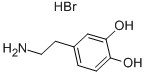
- 645-31-8
- C8H12BrNO2
- 234.09
- All (9)
- China (2)
- (9)
- 61512-77-4
- C83H131N19O27S
- 1859.10000
- All (0)
- China (0)
- (0)

- 60893-02-9
- C83H131N19O27S
- 1859.1
- All (0)
- China (0)
- (0)
- 60617-12-1
- C158H253N41O44S
- 3463.01000
- All (1)
- China (1)
- (1)

- 59004-96-5
- C77H120N18O26S
- 1745.95
- All (3)
- China (1)
- (3)
- 240124-73-6
- C17H16N2O2
- 280.32100
- All (0)
- China (0)
- (0)
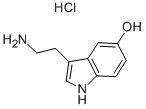
- 153-98-0
- C10H13ClN2O
- 212.68
- All (2)
- China (0)
- (2)
- 1220710-22-4
- C11H15NO2
- 193.24200
- All (0)
- China (0)
- (0)
- 50673-96-6
- C8H9NO2
- 151.16
- All (0)
- China (0)
- (0)
- 65846-04-0
- C10H10F3NO3
- 249.18700
- All (0)
- China (0)
- (0)
Related Products More >

- 77739-21-0
- Request For Quotation
- 77739-21-0
- Request For Quotation
- 77367-63-6
- Request For Quotation
- Plastic bottles
- 77367-63-6
- Request For Quotation
- 77367-63-6
- Request For Quotation
- 77271-25-1
- Request For Quotation
- 25kg/ea
- 62-31-7
- Request For Quotation
- 25kg/Cardboard Drum
- 62-31-7
- Request For Quotation
- customized


Dopamine is often called the "reward chemical." When you do something like eat your favorite food, achieve a goal, or even play a video game, your brain releases dopamine. It gives you that sense of motivation and pleasure, like a little pat on the back from your brain. But here's the thing—it's also involved in addiction. Drugs and other addictive substances can mess with your dopamine system, making you crave them over and over again.
Serotonin is kind of like the mood stabilizer. Low levels of serotonin are linked to depression and anxiety. It helps regulate your sleep, appetite, and most importantly, your overall mood. Some antidepressant medications work by increasing the amount of serotonin in your brain. You can also boost your serotonin levels naturally. Spending time in the sun, exercising regularly, and eating foods rich in tryptophan (like turkey, nuts, and seeds) can help your body produce more serotonin.
Endorphins are your body's natural painkillers and mood lifters. They kick in when you exercise, especially during intense workouts like running or cycling. That's where the "runner's high" comes from. But you don't have to be an athlete to get an endorphin rush. Laughing, having sex, or even eating really spicy food can trigger their release. They help reduce stress and pain, and make you feel all warm and fuzzy inside.
Oxytocin is known as the "love hormone" or the "cuddle chemical." It's released when you hug someone, have a deep conversation, or bond with your pet. It helps build trust and connection between people. Social interaction, whether it's a big group hug or a heart - to - heart talk with a friend, can increase oxytocin levels.
As for other functions, dopamine is important for learning and movement (problems with dopamine can lead to Parkinson's disease). Serotonin affects your digestive system too. Endorphins aren't just for pain relief—they also play a role in your immune system. And oxytocin can impact your social behavior and even your decision - making.
To sum it up, these "happy chemicals" do way more than just make you feel good. And the good news is, there are plenty of natural ways to give them a boost. Try going for a walk outside, meeting up with friends, or cooking a healthy meal with ingredients that promote their production. Over time, these small changes can really make a difference in how you feel. Hang in there, and I hope you start feeling better soon!
The most well - known ones are dopamine, serotonin, endorphins, and oxytocin. Dopamine is often associated with pleasure and reward. When you achieve a goal, like finishing a tough project or getting a compliment, your brain releases dopamine. It gives you that "I did it!" feeling and motivates you to seek out more of those rewarding experiences. But dopamine isn't just about happiness; it also plays a role in movement control. People with Parkinson's disease, for example, have low dopamine levels, which leads to tremors and other movement problems.
Serotonin is like the brain's mood stabilizer. It helps regulate your emotions, sleep, and appetite. Low serotonin levels are linked to depression and anxiety. When serotonin is in balance, you're more likely to feel calm, content, and have a positive outlook.
Endorphins are your body's natural painkillers. They're released during intense physical activity, like running a marathon or laughing really hard. Endorphins not only block pain signals but also create a euphoric feeling, which is why you might feel on top of the world after a great workout.
Oxytocin is often called the "love hormone." It's released during physical touch, like hugging or cuddling, and also during social bonding activities. It helps build trust and strengthen relationships.
As for natural ways to boost these chemicals, diet can play a part. Foods rich in tryptophan, like turkey and nuts, can help increase serotonin production. Regular exercise is a fantastic way to boost endorphins. Even a 20 - minute jog can leave you feeling energized and happy. Social activities, like spending time with friends and family, can trigger the release of oxytocin. So, by taking care of your body and nurturing your relationships, you can naturally give those happy chemicals a little boost.
The big four happy chemicals are dopamine, serotonin, oxytocin, and endorphins. Dopamine is like your brain’s reward system. It kicks in when you achieve something, like finishing a task or hitting a goal, and it gives you that little rush of motivation and pleasure. Serotonin is more about mood balance—it helps you feel calm, confident, and emotionally stable. Low serotonin levels are often linked to feeling down or anxious. Oxytocin is the "love hormone." It’s released during bonding moments, like hugging someone you care about or even petting a dog. It makes you feel connected and trusting. And then there are endorphins, which are your body’s natural painkillers. They’re released during exercise, laughter, or even when you eat spicy food, and they give you that euphoric, energized feeling.
These chemicals don’t just make you happy—they have other jobs too. Dopamine helps with focus and movement, serotonin affects sleep and digestion, oxytocin plays a role in childbirth and breastfeeding, and endorphins help you cope with stress or pain. So they’re multitaskers!
Now, the cool part is you can naturally boost these chemicals. For dopamine, set small goals and celebrate little wins—your brain loves that. Serotonin gets a boost from sunlight, exercise, and foods like eggs, nuts, and cheese. Oxytocin comes from socializing, hugging, or even just having a good conversation. And for endorphins, anything that gets you moving—running, dancing, even a good laugh—will do the trick.
The key is balance. You don’t need to overthink it, but incorporating things like movement, social time, and healthy habits can really help keep those happy chemicals flowing. Hope this clears things up for you!