


 Home
Home
Hi, I'd like to ask—does collagen cause changes in bowel movements, like making you go more often? Could you explain why? Also, does the fiber content in collagen supplements affect gut motility? If someone gets diarrhea after taking collagen, is that an allergic reaction? And how can I adjust the dosage to avoid unusual bowel movements caused by collagen? Thanks!
Can Collagen Cause Bowel Changes?
Related Encyclopedia
- 9007-34-5
- 0
- All (14)
- China (1)
- (14)
- 9064-67-9
- C4H6N2O3R2.(C7H9N2O2R)n
- 0
- All (14)
- China (1)
- (14)
- 3429-55-8
- C12H28Si
- 200.43600
- All (2)
- China (0)
- (2)

- 1323-19-9
- C19H25NaO3S
- 356.45500
- All (2)
- China (0)
- (2)
- 108526-18-7
- C19H25NaO3S
- 356.45500
- All (2)
- China (0)
- (2)
- 92113-31-0
- CO(NH2)2,Fe+++
- 0
- All (3)
- China (0)
- (3)
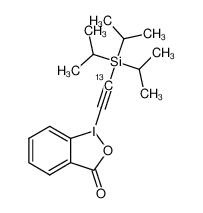
- 1203447-57-7
- C18H25IO2Si
- 429.37300
- All (0)
- China (0)
- (0)
- 318496-58-1
- C17H22S2Si
- 318.57200
- All (0)
- China (0)
- (0)

- 1031302-96-1
- C10H20Si
- 168.35100
- All (0)
- China (0)
- (0)
- 261618-48-8
- C13H22SSi
- 238.46400
- All (0)
- China (0)
- (0)
Related Products More >

- 979-32-8
- Request For Quotation
- 96829-58-2
- Request For Quotation
- 92113-31-0
- Request For Quotation
- 25kg/Cardboard Drum
- 92113-31-0
- Request For Quotation
- 1g,50g,100g,1000g
- 92113-31-0
- Request For Quotation
- 92113-31-0
- Request For Quotation
- 25kg/drum
- 92113-31-0
- Request For Quotation
- 92113-31-0
- Request For Quotation


Why Collagen Affects Digestion:
Glycine Content – Acts as a humectant, drawing water into the intestines (beneficial for constipation)
Low Fiber – Pure collagen contains no fiber, unlikely to directly stimulate motility
Gut Healing – May temporarily alter stool patterns during intestinal repair processes
Does Collagen Contain Fiber That Affects Bowel Movements?
No, hydrolyzed collagen peptides are:
100% animal-protein derived
Contain zero dietary fiber
Only influence stool through amino acid metabolism
Is Diarrhea After Collagen Consumption an Allergic Reaction?
True collagen allergies (rare) involve:
Hives/swelling (not just digestive upset)
Immediate vomiting/wheezing
Typically triggered by marine/fish collagen sources
Dose-Related Loose Stools Usually Indicate:
Excessive Intake – >20g/day overwhelms peptide absorption
Rapid Introduction – Starting with full dose rather than gradual ramp-up
Combination Factors – Taking with other gut-actives (magnesium, vitamin C)
Adjusting Dosage to Normalize Bowel Movements:
Symptom Adjustment Strategy
Loose stools Reduce by 5g increments every 3 days
Constipation relief Maintain current dose if beneficial
Abdominal discomfort Take with meals & split doses
Preventive Measures:
Start with 5g daily for 1 week before increasing
Choose bovine over marine collagen if sensitive
Avoid combining with other gut-active supplements initially
When to Discontinue Use:
Watery diarrhea persisting >48 hours after stopping
Blood in stool or severe cramping
Suspected histamine reactions (flushing, rashes)
1. Does Collagen’s Fiber Content Affect Gut Motility?
Most collagen supplements are pure protein (hydrolyzed collagen peptides) with no added fiber, so they do not directly enhance bowel regularity. However, some multi-ingredient formulas may include fiber (e.g., in “beauty blends”), which could indirectly improve digestion.
2. Is Diarrhea After Taking Collagen an Allergic Reaction?
Possible but rare:
Common Culprits: Digestive issues like diarrhea are more often due to lactose/sugar additives in collagen products (not collagen itself) or overconsumption, which can overwhelm the gut.
True Allergy: Collagen allergies are uncommon but may cause symptoms like rashes, swelling, or gastrointestinal distress in sensitive individuals (e.g., those with seafood/shellfish allergies, if sourced from marine collagen).
3. How to Avoid Bowel Changes from Collagen?
Start Low: Begin with 5–10g/day and gradually increase to assess tolerance.
Check Ingredients: Avoid products with artificial sweeteners (e.g., sorbitol), which can cause laxative effects in high doses.
Hydrate: Ensure adequate water intake, as protein metabolism may increase fluid needs.
In practical applications, collagen supplements are used for various health purposes including improving skin elasticity, joint health, and supporting bone density. For example, individuals with arthritis might take collagen supplements to help reduce joint pain and improve mobility. In another scenario, someone looking to improve their skin's appearance may incorporate collagen-rich foods or supplements into their diet.
When considering the use of collagen supplements, it’s important to be aware of potential side effects and interactions. Some people might experience mild digestive issues such as bloating or feelings of fullness, particularly when starting supplementation. However, these symptoms are typically mild and temporary. It’s also crucial to choose high-quality supplements free from contaminants and additives. Consulting with a healthcare provider before beginning any new supplement regimen is advisable, especially if you have underlying health conditions or are taking medications. This ensures safe and effective integration of collagen supplements into your routine without expecting them to directly cause bowel movements.