


 Home
Home
As someone with predominantly black hair, I’ve recently noticed a few red strands mixed in, and it’s making me wonder what’s going on. Is this related to melanin, the pigment that gives hair its color? I know there are different types of melanin—could my hair be producing more pheomelanin (the red/yellow type) instead of eumelanin (the dark brown/black type) in those specific strands? Could a genetic mutation be causing this shift in pigment production, even if my family doesn’t have a history of red hair? Are there environmental factors, like sun exposure or hair treatments, that might alter melanin in certain hairs? I’m also curious if this is normal as people age, or if it could signal a nutritional deficiency, like low iron or vitamin B12, which I’ve heard can affect hair pigmentation. Do these red hairs indicate a problem, or are they just a harmless variation? Understanding whether this is due to genetics, pigmentation changes, or something else would help me decide if I need to worry or just embrace the unique strands.
Why Do I Have Red Hairs in My Black Hair?
Related Encyclopedia
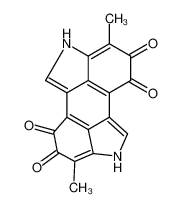
- 8049-97-6
- C18H10N2O4
- 318.28300
- All (0)
- China (0)
- (0)
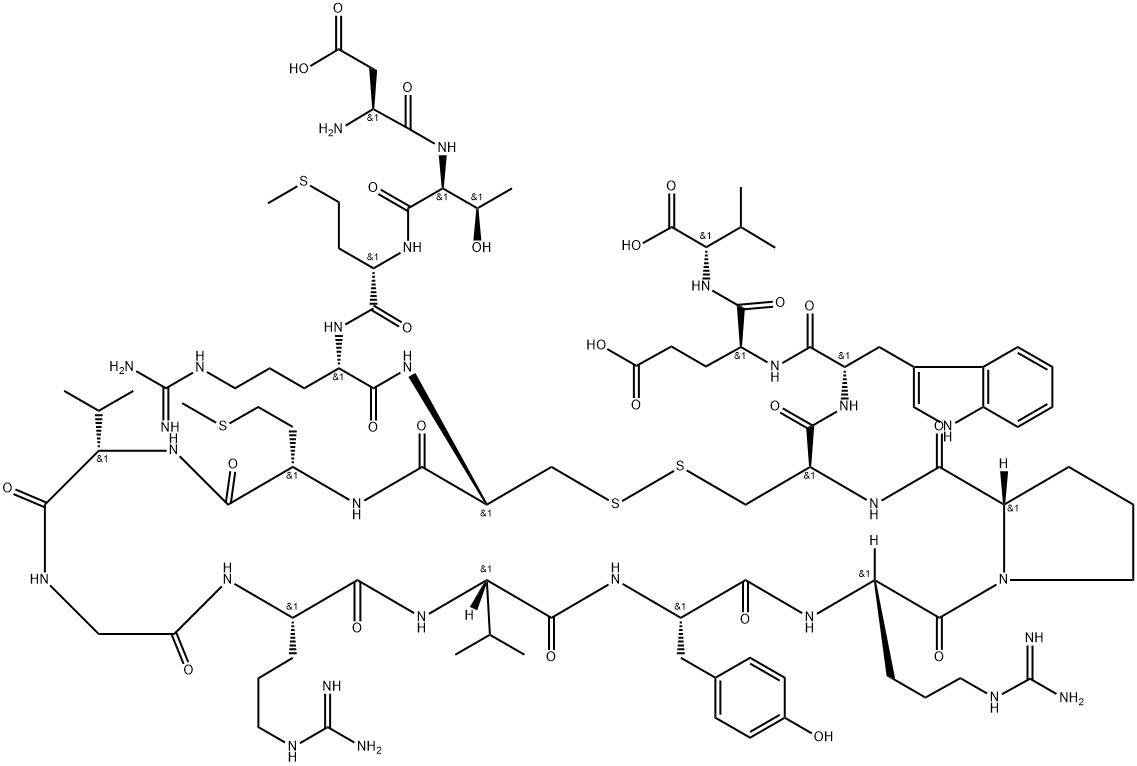
- 87218-84-6
- C89H139N27O24S4
- 2099.5
- All (0)
- China (0)
- (0)
Related Products More >

- 8049-97-6
- Request For Quotation
- kg
- 8049-97-6
- Request For Quotation
- 25KG/Drum
- 26839-77-0
- Request For Quotation


One big factor could be genetic mutations, but don’t panic—it’s not as dramatic as it sounds. Hair color genes can be super variable, and even if no one in your family has red hair, a random mutation in a single hair follicle’s DNA can tweak its pigment production. Think of it like a typo in the instruction manual for making melanin. This is especially common as we age, but it can happen at any time. For example, the MC1R gene (linked to red hair) might have a spontaneous mutation in one follicle, causing it to churn out more pheomelanin. These are usually harmless “somatic mutations” that affect only that specific follicle, not your entire head.
Environmental factors can also play a role. Sun exposure is a big one—UV rays can break down eumelanin, which is more sensitive to light than pheomelanin. If a strand of hair is exposed to a lot of sun, the dark eumelanin might fade, leaving the underlying pheomelanin (which is more resistant to fading) to show through. This is why some people get “sunlight highlights” that look reddish. Similarly, chemical hair treatments (like bleaching, coloring, or perming) can damage the hair shaft and alter how melanin is retained. If a strand was treated or damaged, it might reflect light differently, making it appear redder than the surrounding hair.
Aging is another factor. As we get older, hair follicles often produce less melanin overall, leading to gray hair. But before hair goes fully gray, it might go through phases where pigment production is uneven. Sometimes, this can result in strands that are lighter or warmer in tone (like red or blonde) before losing color entirely. It’s like your hair’s version of a “preview” before going gray.
Nutritional deficiencies can affect hair pigmentation, but it’s less common. Low levels of vitamins like B12, iron, or copper might interfere with melanin production, but this usually shows up as overall hair lightening or dullness, not isolated red strands. If you have other symptoms like fatigue or brittle nails, it might be worth checking with a doctor, but single red hairs are rarely a sign of a serious deficiency.
So, are these red hairs something to worry about? In almost all cases, no. They’re usually just a natural variation in pigmentation, caused by genetics, sun exposure, or normal aging. Think of them as unique “highlights”! However, if you notice a sudden, widespread change in hair color (like large patches turning red or blonde), or if the red hairs are accompanied by scalp issues, it’s a good idea to see a dermatologist to rule out underlying conditions like vitiligo or thyroid issues. But for a few random strands, it’s totally harmless.
In short, embrace those fiery strands! They’re a reminder of how complex and fascinating hair pigmentation is. Every hair follicle works independently, and sometimes they just decide to do their own thing. Whether it’s a tiny genetic quirk, a sun - kissed effect, or just your hair’s way of keeping things interesting, those red hairs are part of what makes your look unique.
Melanin’s Role:
Your hair color comes from two types of melanin: eumelanin (dark brown/black) and pheomelanin (red/yellow). Normally, black hair has a surplus of eumelanin, but if a few follicles start cranking out more pheomelanin, those hairs will look reddish. This isn’t necessarily a “mutation”—it’s more like a genetic lottery ticket. Even if your family doesn’t have redheads, you could carry recessive genes for pheomelanin production that randomly pop up in a few hairs.
Genetic Variability:
Hair color genetics are complex. You might have inherited a mix of genes from distant ancestors that occasionally express pheomelanin. Think of it like a hidden trait in your DNA that occasionally surfaces—kind of like how some dark-haired people get a single blond baby hair.
Environmental Triggers:
Sun exposure can lighten or alter hair color over time by breaking down melanin. If those red strands are in spots that get more sun (like your hairline or part), UV rays might be nudging the color shift. Hair treatments like bleaching, dyeing, or even harsh shampoos can also damage melanin-producing cells (melanocytes), leading to uneven pigmentation.
Aging & Nutrition:
As you age, melanocyte activity can slow down, causing graying. But before that, some follicles might temporarily misfire, producing less eumelanin. Nutritional deficiencies (like low iron, B12, or zinc) can theoretically affect pigmentation, but this usually causes widespread changes (like premature graying) rather than isolated red strands. If you’re otherwise healthy, it’s probably not a deficiency.
Is It Normal?:
Yes! A few red hairs are harmless and common, especially in people with dark hair. They’re often called “unicorn hairs” or “strawberry blonde rebels” and are usually just a fun genetic quirk.
When to Worry:
If the red hairs spread rapidly, turn white, or come with other symptoms (like hair loss or skin changes), consult a dermatologist. Otherwise, rock those unique strands—they’re proof that even your hair isn’t afraid to break the mold.
Sun exposure can also lighten hair, breaking down eumelanin and making underlying reddish tones more visible—think of how black hair gets sun-bleached. Chemical treatments like dyes or relaxers might damage pigment cells too, causing odd color shifts in regrowth. But if you’re noticing only red strands (not overall thinning or texture changes), it’s likely harmless.
Nutrition could play a role—low iron or B12 can affect melanin—but you’d usually see other symptoms like fatigue or brittle nails. If you’re concerned, a blood test can rule that out. Otherwise, it’s probably just your unique biology. Even in pure black hair, pheomelanin exists in small amounts; sometimes it just decides to steal the spotlight. Unless you spot sudden, widespread changes, those fiery strands are just a cool quirk, not a red flag.