


 Home
Home
What is the pH of common household bleach (NaOCl)?How do bleaches like NaOCl break down organic stains?Compare the alkalinity of bleach with baking soda (NaHCO3).
How Does the Strong Alkalinity of Bleach Enable It to Outperform Baking Soda in Breaking Down Tough Stains?
Related Encyclopedia
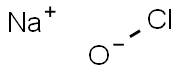
- 7681-52-9
- ClNaO
- 74.44
- All (22)
- China (20)
- (22)
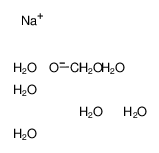
- 64131-03-9
- ClH14NaO8
- 200.54900
- All (0)
- China (0)
- (0)
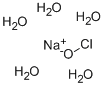
- 10022-70-5
- NaClO.5H2O
- 165.53
- All (0)
- China (0)
- (0)
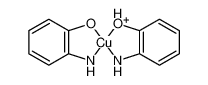
- 18347-30-3
- C12H11CuN2O2+
- 278.77400
- All (0)
- China (0)
- (0)
- 92-74-0
- C19H17NO3
- 307.34
- All (5)
- China (0)
- (5)
- 88615-03-6
- C12H13N3O4S
- 295.31400
- All (0)
- China (0)
- (0)
- 1422514-28-0
- C23H25ClF3N3O
- 451.91200
- All (0)
- China (0)
- (0)
- 1259281-54-3
- C30H22N4
- 438.52200
- All (0)
- China (0)
- (0)
- 1015076-90-0
- C24H15NO
- 333.38200
- All (0)
- China (0)
- (0)
- 760952-77-0
- C15H13NO2
- 239.26900
- All (0)
- China (0)
- (0)
Related Products More >

- USD 30.0000
- 6kg
- 7757-82-6
- CNY Request For Quotation
- 10124-56-8
- CNY Request For Quotation
- 7664-38-2
- CNY Request For Quotation
- CNY Request For Quotation
- CNY Request For Quotation
- CNY Request For Quotation
- CNY Request For Quotation


Comparatively, baking soda, or sodium bicarbonate (NaHCO₃), exhibits a much milder alkalinity with a pH of around 8. Although both bleach and baking soda possess alkaline properties, their modes of action and effectiveness in cleaning applications vary considerably. Baking soda operates by neutralizing acidic substances and can assist in stain removal through physical abrasion and mild chemical reactions. Its gentle alkalinity makes it suitable for addressing light stains and deodorizing surfaces without causing damage. However, baking soda lacks the potent oxidizing capabilities of bleach, rendering it less effective against deeply embedded or persistent organic stains.
The stark difference in alkalinity between bleach and baking soda underscores their distinct roles in cleaning and sanitation. The strong alkalinity and powerful oxidizing properties of bleach make it an indispensable tool for disinfection and tackling tough stains, although it necessitates cautious use due to its potential to cause corrosion or discoloration on certain materials. On the other hand, baking soda's mild alkalinity and non-abrasive nature make it a safer, more versatile option for everyday cleaning tasks, especially when dealing with delicate surfaces or environments where harsh chemicals are undesirable.
Understanding the differences in pH and chemical behavior between these two common cleaning agents allows for more informed and effective choices in various cleaning scenarios. Whether it's the robust action of bleach for heavy-duty cleaning or the gentle efficacy of baking soda for routine maintenance, selecting the appropriate cleaner based on the specific requirements of the task ensures optimal results while minimizing potential risks.
In contrast, baking soda (sodium bicarbonate, NaHCO₃) has a much lower pH of approximately 8, making it only mildly alkaline. While both bleach and baking soda are alkaline, their mechanisms of action differ significantly. Baking soda works by neutralizing acidic substances and can help remove some stains and odors through physical abrasion and mild chemical reactions. However, it lacks the powerful oxidizing properties of bleach, which make it less effective against tough, deeply embedded organic stains. The strong alkalinity and oxidizing power of bleach make it a more potent cleaning agent for disinfection and stain removal, though it requires careful handling due to its corrosive nature.