


 Home
Home
Hi, I'd like to ask—what role does cinnamaldehyde (the main compound in cinnamon) play in supporting metabolism or reducing inflammation? Does cinnamon affect blood sugar levels by enhancing insulin sensitivity? Are there differences in health benefits between Ceylon and Cassia cinnamon varieties, and what happens if consumed in excess? Thanks!
How Does Cinnamon’s Active Compound Cinnamaldehyde Benefit the Body and Impact Health?
Related Encyclopedia
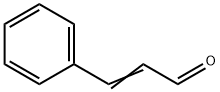
- 104-55-2
- C9H8O
- 132.16
- All (50)
- China (15)
- (50)
- 111999-16-7
- C15H22N2
- 230.34900
- All (0)
- China (0)
- (0)
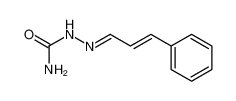
- 150059-61-3
- C10H11N3O
- 189.21400
- All (0)
- China (0)
- (0)
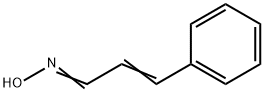
- 13372-81-1
- C9H9NO
- 147.17
- All (0)
- China (0)
- (0)
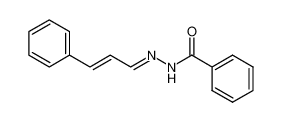
- 372959-92-7
- C16H14N2O
- 250.29500
- All (0)
- China (0)
- (0)
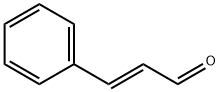
- 14371-10-9
- C9H8O
- 132.16
- All (12)
- China (6)
- (12)
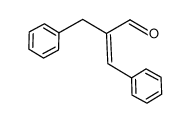
- 838-87-9
- C16H14O
- 222.28200
- All (0)
- China (0)
- (0)
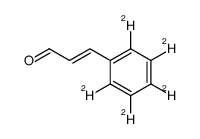
- 77765-27-6
- C9H3D5O
- 137.19000
- All (0)
- China (0)
- (0)
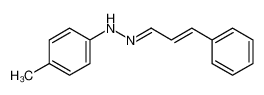
- 88254-47-1
- C16H16N2
- 236.31200
- All (0)
- China (0)
- (0)
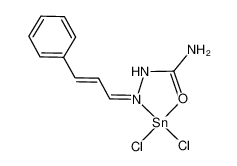
- 102763-82-6
- C10H11Cl2N3OSn
- 378.82100
- All (0)
- China (0)
- (0)
Related Products More >

- 7148-78-9
- Request For Quotation
- 25kg
- 7148-78-9
- Request For Quotation
- 1ton
- 7148-78-9
- Request For Quotation
- 200kg
- 97985-66-5
- Request For Quotation
- 93614-78-9
- Request For Quotation
- 93614-78-9
- Request For Quotation
- 7492-44-6
- Request For Quotation
- kg
- 7148-78-9
- Request For Quotation


Cinnamon is often linked to improved insulin sensitivity, which can help lower blood sugar levels. Some studies show it may reduce fasting glucose in people with diabetes, though results vary. The compound’s ability to activate insulin receptors or affect glucose transport proteins might explain this effect, but the exact mechanisms aren’t fully understood.
Ceylon and Cassia cinnamon differ in health benefits due to coumarin content. Ceylon (true cinnamon) has lower coumarin, a compound that can harm the liver in high doses, while Cassia contains more coumarin. Cassia may offer stronger antioxidant effects but carries higher risks with excess consumption. Ceylon is often preferred for daily use due to its lower coumarin levels.
Excessive cinnamon intake, especially Cassia, can cause side effects like nausea, vomiting, or liver damage from coumarin accumulation. Recommendations suggest limiting Cassia to less than 1 gram daily, while Ceylon can be consumed in slightly higher amounts. As with any supplement, moderation is key, and consulting a healthcare provider is advised, especially for those with liver conditions or taking medications.
Regarding inflammation, cinnamaldehyde possesses antioxidant and anti - inflammatory properties. In animal studies, it has been found to inhibit certain inflammatory markers, such as cytokines, which play a role in the body’s inflammatory response. These properties might contribute to reducing low - grade inflammation, which is linked to various chronic diseases. Again, though, human evidence is limited, and more robust clinical trials are needed to confirm these effects in real - world settings.
Cinnamon’s impact on blood sugar is often attributed to its ability to enhance insulin sensitivity. Some research, including a few small human studies, has suggested that consuming cinnamon could lead to modest reductions in fasting blood sugar levels. The proposed mechanism involves compounds in cinnamon, including cinnamaldehyde, improving the way cells respond to insulin, thus allowing glucose to be absorbed more efficiently. However, the results of these studies have been inconsistent. Some trials show significant effects, while others find no meaningful difference. Additionally, the amount of cinnamon used in these studies varies—some use several grams per day, which is much higher than the typical daily intake from culinary use. It’s also important to note that cinnamon should not be considered a substitute for medical treatment for conditions like diabetes; it’s best viewed as a complementary element, and individuals with blood sugar concerns should consult a healthcare provider before relying on it.
When comparing Ceylon and Cassia cinnamon, there are notable differences in their composition and potential health benefits. Ceylon cinnamon, often referred to as “true” cinnamon, is derived from the Cinnamomum verum tree, while Cassia cinnamon comes from Cinnamomum aromaticum and is more commonly found in grocery stores. Cassia cinnamon contains higher levels of coumarin, a natural compound that can be toxic in large amounts. Coumarin has been associated with liver damage in animal studies, though the risk in humans typically arises only with excessive consumption. Ceylon cinnamon, on the other hand, has much lower coumarin content, making it a safer choice for regular consumption—especially for those who might use cinnamon frequently or in larger quantities. In terms of health benefits, both varieties contain cinnamaldehyde, but the concentration might differ, and Cassia’s higher coumarin content could overshadow potential benefits if consumed in excess.
Speaking of excess consumption, it’s crucial to be aware of the risks associated with overdoing cinnamon. While small amounts in food are generally safe, consuming large quantities—whether intentionally for health purposes or accidentally—can lead to adverse effects. Cassia cinnamon, due to its higher coumarin content, poses a greater risk. Symptoms of excessive cinnamon intake might include nausea, vomiting, abdominal pain, and in severe cases, liver damage. Pregnant women are often advised to avoid large amounts of cinnamon, as some studies suggest it might stimulate the uterus, though the evidence is not definitive. As with any dietary supplement or spice used for potential health benefits, moderation is key. Incorporating cinnamon into a balanced diet in typical culinary amounts is unlikely to cause harm, but taking concentrated supplements or consuming large spoonfuls of the spice is not recommended without professional guidance.
Regarding inflammation, cinnamaldehyde modulates multiple signaling pathways. It suppresses the production of nitric oxide (NO) and prostaglandin E2 (PGE2) by downregulating inducible nitric oxide synthase (iNOS) and cyclooxygenase-2 (COX-2) expression. The compound also inhibits the mitogen-activated protein kinase (MAPK) pathway, which is crucial for the production of pro-inflammatory mediators. Clinical studies have shown that cinnamon extract reduces C-reactive protein (CRP) and erythrocyte sedimentation rate (ESR), biomarkers of systemic inflammation. These anti-inflammatory effects may contribute to cinnamon's potential benefits in conditions like metabolic syndrome and cardiovascular disease.
The health benefits differ significantly between Ceylon (Cinnamomum verum) and Cassia (Cinnamomum cassia) cinnamon. Ceylon cinnamon contains only trace amounts of coumarin, a naturally occurring compound that can be hepatotoxic at high doses. In contrast, Cassia cinnamon contains much higher coumarin levels, with some samples exceeding 1% of dry weight. While Cassia cinnamon generally has higher cinnamaldehyde content, making it more potent for metabolic effects, the coumarin content poses a safety concern for regular consumption. Regulatory agencies like the European Food Safety Authority (EFSA) recommend limiting daily coumarin intake to 0.1 mg/kg body weight.
Excessive cinnamon consumption, particularly of Cassia varieties, can lead to adverse effects. High coumarin intake may cause liver damage, as evidenced by elevated liver enzymes in animal studies. Some individuals may experience allergic reactions, including contact dermatitis or oral mucosa irritation from cinnamaldehyde. Chronic high-dose supplementation has been associated with potential cytotoxicity in vitro. The safe upper limit for Cassia cinnamon is estimated at about 1 teaspoon (approximately 5 grams) per day for an average adult, though individual tolerance varies. Ceylon cinnamon, with its negligible coumarin content, allows for higher consumption levels without hepatotoxic risks. Pregnant women and individuals with liver conditions should exercise particular caution, preferably consulting healthcare providers before regular cinnamon supplementation.