


 Home
Home
Hi, I'd like to ask—What chemical components do Tums and Pepto Bismol contain respectively? How does calcium carbonate in Tums relieve acid reflux, and what's the mechanism of bismuth subsalicylate in Pepto Bismol for stomach discomfort? Which medication acts faster for heartburn, and are there differences in their applicable digestive symptoms? Are there specific side effects or usage precautions related to these ingredients? Thanks!
What Are the Main Differences Between Tums and Pepto Bismol in Ingredients and Effects?
Related Encyclopedia
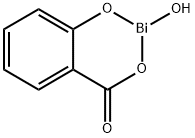
- 14882-18-9
- C7H5BiO4
- 362.09
- All (18)
- China (6)
- (18)
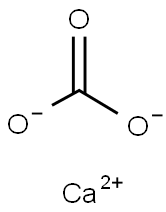
- 1317-65-3
- CCaO3
- 100.09
- All (868)
- China (56)
- (868)
- 792848-15-8
- CCaO3
- 100.08700
- All (868)
- China (56)
- (868)
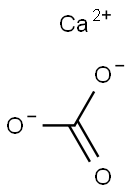
- 471-34-1
- CCaO3
- 100.0869
- All (868)
- China (56)
- (868)
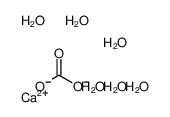
- 15634-14-7
- CH2O3.Ca.6H20
- 208.17900
- All (0)
- China (0)
- (0)
Related Products More >

- 471-34-1
- CNY 50.0000
- 25kg
- 471-34-1
- Request For Quotation
- 1ton
- 471-34-1
- Request For Quotation
- 25kg
- 471-34-1
- Request For Quotation
- 1ton
- 471-34-1
- Request For Quotation
- 25kg
- 471-34-1
- Request For Quotation
- 1kg
- 471-34-1
- Request For Quotation
- 1ton
- 471-34-1
- Request For Quotation
- 25kg


Pepto Bismol, on the other hand, has bismuth subsalicylate as its key active component. Bismuth subsalicylate is a complex chemical compound. It is derived from bismuth, a heavy metal that has been used in medicine for a long time due to its unique properties. The subsalicylate part is related to salicylic acid, which has anti - inflammatory and pain - relieving characteristics similar to aspirin. In addition to bismuth subsalicylate, Pepto Bismol contains other substances. Salicylic acid is released when bismuth subsalicylate breaks down in the body. Pepsin, an enzyme that aids in digestion, is also present in small amounts, although its exact role in the formulation is still being studied. Various flavorings are added to make the liquid or chewable tablets of Pepto Bismol more tolerable to consume, as its natural taste can be quite unpleasant.
The calcium carbonate in Tums relieves acid reflux through a chemical reaction known as neutralization. The stomach produces hydrochloric acid (HCl) to aid in the digestion of food. When we eat certain foods or have conditions that cause the stomach to produce an excessive amount of HCl, it can lead to acid reflux, causing a burning sensation in the chest, commonly known as heartburn. When a person takes Tums containing calcium carbonate (CaCO3), it enters the stomach. There, the calcium carbonate reacts with the hydrochloric acid. The chemical reaction is as follows: CaCO3 + 2HCl → CaCl2 + H2O + CO2. In this reaction, calcium carbonate combines with hydrochloric acid to form calcium chloride (CaCl2), water (H2O), and carbon dioxide (CO2). By consuming the hydrogen ions (H+) from hydrochloric acid, the concentration of acid in the stomach decreases, and the pH level rises, moving it closer to a more neutral state. This reduction in acidity alleviates the symptoms of acid reflux and provides relief from the discomfort of heartburn.
The mechanism by which bismuth subsalicylate in Pepto Bismol addresses stomach discomfort is multi - faceted. First, it forms a protective layer over the inflamed mucous membranes in the gastrointestinal tract. The lining of the stomach and intestines can become irritated due to various factors, such as the presence of harmful bacteria, excessive stomach acid, or toxins from contaminated food. Bismuth subsalicylate adheres to this damaged lining, creating a barrier that shields it from further harm. This barrier function is similar to applying a protective coating on a damaged surface, preventing additional irritation and allowing the tissues to start the healing process. Second, bismuth subsalicylate has antimicrobial properties. It can inhibit the growth and activity of certain bacteria that commonly cause gastrointestinal problems. For example, it is effective against Escherichia coli and Salmonella, two types of bacteria that can lead to diarrhea, nausea, and vomiting when they infect the digestive system. By reducing the population of these harmful bacteria, bismuth subsalicylate helps to alleviate the symptoms associated with bacterial infections in the gut. Additionally, bismuth subsalicylate has an impact on the motility of the gastrointestinal tract. It can slow down the movement of contents through the intestines. In cases of diarrhea, where the intestines are moving too quickly, this reduction in motility allows more time for water to be absorbed back into the body, which helps to firm up the stools and reduce the frequency of bowel movements. The salicylate part of bismuth subsalicylate also plays a role in reducing inflammation in the intestinal lining. Similar to how aspirin works in the body to reduce inflammation in other parts, the salicylate in Pepto Bismol helps to soothe the irritated tissues in the gut, further contributing to the relief of stomach discomfort.
When it comes to which medication acts faster for heartburn, Tums generally has a quicker onset of action. Since calcium carbonate in Tums acts through a simple chemical reaction of neutralizing stomach acid, it can start working within minutes of being ingested. As soon as the Tums tablet enters the stomach and comes into contact with the hydrochloric acid, the neutralization reaction begins, and the pH level in the stomach starts to change, providing almost immediate relief from the burning sensation of heartburn. Pepto Bismol, however, has a more complex mode of action. It needs to form the protective coating over the mucous membranes, start inhibiting bacteria, and affect the motility of the gastrointestinal tract. These processes take a bit more time to occur and have a noticeable impact on the symptoms. So, while Pepto Bismol is effective for a wider range of digestive issues, it may not provide the instant relief for heartburn that Tums does.
The applicable digestive symptoms for Tums and Pepto Bismol also differ significantly. Tums is mainly designed for the relief of heartburn, acid indigestion, and an upset stomach that is caused by excessive acid production. It is most useful in situations where the discomfort is due to eating a large meal, consuming spicy or fatty foods, or lying down too soon after eating, all of which can trigger acid reflux. These are usually acute, short - term symptoms that occur occasionally. Pepto Bismol, on the other hand, is suitable for a broader range of digestive problems. It can be used to treat nausea, which can be caused by many factors, including motion sickness, pregnancy - related issues, or a viral infection. Vomiting, whether it is due to food poisoning or a stomach virus, can also be managed with Pepto Bismol. Diarrhea, as mentioned earlier, is one of the main symptoms that Pepto Bismol is effective against, especially when it is caused by bacterial infections or disturbances in the normal functioning of the digestive system. Stomach cramps, which can be a result of inflammation, muscle spasms, or an imbalance in the gut, can also be alleviated by Pepto Bismol.
There are specific side effects and usage precautions related to the ingredients in these medications. For Tums, calcium carbonate can cause constipation. This is because calcium can have an impact on the normal functioning of the intestines, slowing down the movement of waste through them. When the transit time of feces in the intestines is prolonged, more water is absorbed, making the stools hard and difficult to pass. In some cases, if Tums are used in excessive amounts over a long period, it can lead to a condition called rebound acid hypersecretion. The stomach may start producing more acid than normal as a compensatory mechanism for the continuous neutralization by calcium carbonate. This can make the symptoms of acid reflux worse in the long run. Also, individuals who are prone to kidney stones need to be cautious when using Tums. The increased intake of calcium from Tums, especially when combined with a diet already high in calcium, can increase the risk of kidney stone formation. People with kidney disease should use Tums under the supervision of a healthcare provider, as the kidneys play a crucial role in regulating calcium levels in the body, and impaired kidney function can affect how calcium is processed and excreted.
For Pepto Bismol, one of the most common side effects is the temporary darkening of the tongue or stools. This is a harmless effect that occurs because the bismuth in the medication reacts with substances in the saliva or the intestinal contents. The dark color usually fades once the medication is stopped. However, more serious side effects can occur. Allergic reactions, although rare, can happen. Symptoms of an allergic reaction may include a rash, itching, swelling of the face, lips, tongue, or throat, and difficulty breathing. High doses of Pepto Bismol can lead to tinnitus, or ringing in the ears. This is due to the salicylate component, and it is a sign of potential salicylate toxicity. Pepto Bismol should not be given to children or teenagers who have viral infections such as influenza or chickenpox. There is a risk of developing Reye’s syndrome, a rare but very serious condition that can affect the liver and brain. People with an aspirin allergy should avoid Pepto Bismol, as bismuth subsalicylate can cause a cross - reaction in those who are sensitive to aspirin. Pregnant or breastfeeding women should consult their doctor before using Pepto Bismol, especially during the third trimester of pregnancy or if there is a history of gastrointestinal bleeding, as the safety of the medication in these situations needs to be carefully evaluated.
On the other hand, Pepto Bismol contains bismuth subsalicylate as its main active ingredient. Bismuth subsalicylate is a complex compound that offers multiple benefits for digestive health. In addition to the active bismuth subsalicylate, Pepto Bismol contains other substances such as salicylic acid, which is a derivative of the compound that gives aspirin its pain - relieving properties. Pepsin, an enzyme that aids in the digestion of proteins, is also present in Pepto Bismol, although its role in the medication's overall function is more supplementary. Bismuth oxide is another component, which contributes to the overall stability and effectiveness of the formulation.
The way calcium carbonate in Tums relieves acid reflux is based on a fundamental chemical reaction. The stomach produces hydrochloric acid (HCl) to aid in the digestion of food. When the production of this acid exceeds normal levels, it can lead to acid reflux, causing a burning sensation in the esophagus, commonly known as heartburn. When a person takes Tums, the calcium carbonate (CaCO3) within the tablet enters the stomach. Here, it reacts with the hydrochloric acid. The chemical reaction between calcium carbonate and hydrochloric acid results in the formation of calcium chloride (CaCl2), water (H2O), and carbon dioxide (CO2). This reaction is a classic example of an acid - base neutralization reaction. By consuming the hydrogen ions (H+) from the hydrochloric acid, the calcium carbonate effectively reduces the acidity of the stomach contents. As the pH level of the stomach increases, the burning sensation associated with acid reflux gradually subsides, providing relief to the individual.
Bismuth subsalicylate in Pepto Bismol works through several different but interrelated mechanisms to address stomach discomfort. One of the primary ways it functions is by forming a protective layer on the lining of the stomach and intestines. This protective coating acts as a physical barrier between the irritated tissues and the harsh stomach acid, digestive enzymes, and other potentially irritating substances. This barrier helps to reduce the further damage to the already inflamed or irritated gastrointestinal lining. Another important mechanism of bismuth subsalicylate is its antimicrobial activity. Certain bacteria, such as Helicobacter pylori, can cause infections in the stomach and intestines, leading to a variety of digestive problems including ulcers, gastritis, and diarrhea. Bismuth subsalicylate has the ability to inhibit the growth and survival of these harmful bacteria, thereby helping to combat the underlying cause of the gastrointestinal distress. Additionally, bismuth subsalicylate has anti - inflammatory properties. It can reduce the inflammation in the digestive tract, which is often a major contributor to stomach discomfort, nausea, and diarrhea. It also has an effect on intestinal motility. By slowing down the movement of contents through the intestines, it allows for better absorption of water and nutrients, which helps to firm up loose stools and relieve diarrhea.
When it comes to the speed at which these medications act for heartburn, Tums generally provides quicker relief. As soon as Tums enters the stomach, the calcium carbonate starts reacting with the hydrochloric acid. The acid - base neutralization reaction occurs almost immediately upon contact, and within a matter of minutes, the individual can start to feel the alleviation of the burning sensation. This rapid action makes Tums a popular choice for people who experience sudden and intense bouts of heartburn and need immediate relief. Pepto Bismol, while effective, has a more delayed onset of action. Since its mechanisms involve processes such as forming a protective coating, inhibiting bacteria, and reducing inflammation, these actions take a bit more time to occur. It may take around 30 minutes to an hour for a person to start feeling significant relief from their symptoms when using Pepto Bismol.
The applicable digestive symptoms for Tums and Pepto Bismol also vary. Tums is mainly designed for the treatment of acid - related digestive problems. It is highly effective for heartburn, which is the most common reason people reach for Tums. Acid indigestion, which can cause discomfort, bloating, and a feeling of fullness in the upper abdomen, is another condition that Tums can effectively address. Upset stomachs caused by excessive acid production can also be relieved with Tums. However, Tums is not as effective for other digestive symptoms such as nausea, vomiting, and diarrhea. Pepto Bismol, on the other hand, is formulated to deal with a broader range of digestive issues. It is excellent for treating nausea, whether it is caused by motion sickness, food poisoning, or other gastrointestinal disturbances. Vomiting can also be managed with Pepto Bismol as it helps to soothe the irritated stomach lining and reduce the urge to vomit. Diarrhea, which can be a very uncomfortable and inconvenient symptom, is one of the main indications for Pepto Bismol. It can help to firm up the stools and reduce the frequency of bowel movements. Mild stomach cramps, which can be caused by a variety of factors including indigestion, gas, or minor infections, can also be relieved with Pepto Bismol.
There are specific side effects and usage precautions associated with the ingredients in both medications. Calcium carbonate in Tums can cause several side effects. One of the most common side effects is constipation. This occurs because calcium carbonate can slow down the movement of the intestines, leading to hardening of the stools and difficulty in passing them. Belching and flatulence are also frequently reported side effects. This is due to the release of carbon dioxide gas as a by - product of the reaction between calcium carbonate and hydrochloric acid in the stomach. Long - term or high - dose use of calcium carbonate can have more serious consequences. It can lead to hypercalcemia, which is an elevated level of calcium in the blood. This can cause a variety of symptoms including confusion, nausea, vomiting, and in severe cases, it can affect the kidneys and lead to the formation of kidney stones, especially in individuals who already have some degree of renal impairment. People who are hypersensitive to calcium or any of the inactive ingredients in Tums should avoid using this medication.
Bismuth subsalicylate in Pepto Bismol also has its own set of potential side effects. One of the more noticeable but harmless side effects is the temporary darkening of the tongue or stools. This is due to the reaction of bismuth with substances in the mouth and digestive tract and usually goes away once the medication is stopped. However, it can be a cause for concern for some users who may not be aware of this possible side effect. Since Pepto Bismol contains a salicylate, which is similar to aspirin, it should be avoided in children under 12 years of age. This is because there is a risk of Reye’s syndrome, a rare but serious condition that can affect the liver and brain. The elderly, people with aspirin allergies, those with bleeding disorders, and individuals with kidney disease should also exercise caution or avoid using Pepto Bismol. Both Tums and Pepto Bismol should be used strictly as directed on the label. People with chronic medical conditions, pregnant or breastfeeding women, and those who are taking other medications, such as anticoagulants or metformin, should consult a healthcare provider before using these medications. This is to prevent any potential drug interactions that could lead to adverse effects or reduce the effectiveness of the medications.
Pepto Bismol, on the other hand, contains bismuth subsalicylate as its main active ingredient. Bismuth subsalicylate works through a different mechanism compared to calcium carbonate. When ingested, it dissociates in the gastrointestinal tract, releasing salicylic acid and forming various bismuth salts. These bismuth salts have antimicrobial properties that help prevent bacterial growth and adhesion to the stomach lining. This action is particularly useful in treating symptoms related to bacterial infections in the gastrointestinal tract. Additionally, the released salicylic acid has anti-inflammatory effects. It works by inhibiting the production of prostaglandins, which are chemicals that cause inflammation and pain. This anti-inflammatory action helps reduce gastrointestinal inflammation and promotes the healing of ulcers.
When it comes to the speed of action for heartburn relief, Tums generally acts faster than Pepto Bismol. The immediate neutralization of stomach acid by calcium carbonate in Tums provides quick relief from heartburn symptoms. The increase in stomach pH levels occurs rapidly, reducing the burning sensation associated with acid reflux. In contrast, Pepto Bismol's effects may take longer to manifest. Its antimicrobial and anti-inflammatory properties require more time to reduce inflammation and heal ulcers. While Pepto Bismol can also help with heartburn, its primary benefits are seen in treating other digestive issues such as nausea, upset stomach, and diarrhea.
The applicable digestive symptoms for each medication also differ. Tums is primarily used for symptoms related to excess stomach acid, such as heartburn, acid indigestion, and sour stomach. These symptoms are often caused by the backflow of stomach acid into the esophagus or by overproduction of acid in the stomach. Tums provides relief by neutralizing the excess acid and reducing its corrosive effects on the esophageal lining. Pepto Bismol, however, is more versatile in its application. It is commonly used for symptoms like nausea, heartburn, upset stomach, and diarrhea. Its antimicrobial properties make it effective in treating bacterial infections in the gastrointestinal tract, which can cause these symptoms. Additionally, its anti-inflammatory effects help soothe the stomach lining and reduce irritation.
Regarding side effects and usage precautions, calcium carbonate in Tums can cause constipation in some individuals. This is because the neutralization of stomach acid can lead to a change in the digestive environment, making it more difficult for the intestines to move waste through the system. Additionally, in some cases, there may be a phenomenon known as acid rebound. This occurs when the stomach responds to the neutralization of acid by increasing its production of acid once the effects of the antacid wear off. This can lead to a temporary worsening of symptoms. Long-term use of calcium carbonate may also have other implications. For example, it can lead to an increase in certain prostaglandins, which could potentially affect the healing process of ulcers.
Bismuth subsalicylate in Pepto Bismol can also cause some side effects. One common side effect is the darkening of the stool and the tongue. This occurs due to the formation of bismuth sulfide in the gastrointestinal tract. While this side effect is generally harmless and temporary, it can be alarming to some individuals. It is also important to note that salicylates, which are released from bismuth subsalicylate, can pose risks for certain individuals. For example, those with aspirin allergies should avoid using Pepto Bismol, as the salicylates can cause an allergic reaction. Additionally, individuals taking blood thinners should use caution, as salicylates can interfere with blood clotting. Furthermore, Pepto Bismol should be used with caution in children and adolescents with viral infections such as chickenpox or influenza. This is due to the risk of Reye's syndrome, a rare but serious condition that has been associated with the use of aspirin and salicylates in this population.
In addition to these considerations, it is important to understand the specific mechanisms and effects of each medication. For instance, the neutralization of stomach acid by calcium carbonate in Tums is a straightforward chemical process. The carbonate ions react with hydrogen ions, forming carbon dioxide and water, which increases the pH level in the stomach. This immediate increase in pH provides quick relief from heartburn and acid reflux symptoms. On the other hand, the action of bismuth subsalicylate in Pepto Bismol is more complex. The antimicrobial properties of the bismuth salts help prevent bacterial growth, while the anti-inflammatory effects of salicylic acid reduce inflammation and promote healing. These actions take longer to manifest compared to the immediate neutralization provided by calcium carbonate.
Moreover, the differences in the applicable symptoms for each medication highlight their distinct roles in treating digestive issues. Tums is specifically designed to address symptoms related to excess stomach acid. By neutralizing the acid, it provides relief from heartburn, acid indigestion, and sour stomach. These symptoms are often caused by the corrosive effects of stomach acid on the esophageal lining. In contrast, Pepto Bismol is more versatile. Its antimicrobial and anti-inflammatory properties make it effective in treating a wider range of digestive symptoms, including nausea, upset stomach, and diarrhea. These symptoms can be caused by various factors, such as bacterial infections or irritation of the gastrointestinal tract.
Understanding the side effects and usage precautions associated with each medication is crucial for safe and effective use. For Tums, the potential for constipation and acid rebound should be considered. Long-term use may also have implications for ulcer healing due to changes in prostaglandin levels. For Pepto Bismol, the risk of darkened stools and tongue, as well as the potential for allergic reactions and interference with blood clotting, should be taken into account. Additionally, the risk of Reye's syndrome in children and adolescents with viral infections is an important consideration when using this medication.