


 Home
Home
Hi, I'd like to ask—When to use AHA, BHA, retinol, tretinoin, and niacinamide according to Reddit discussions? Should they be used in the morning, night, or at specific times of the day? Can they be mixed, and if so, what order should they be applied in? Are there any precautions for sensitive skin when using these ingredients? Thanks!
When should AHA, BHA, retinol, tretinoin, and niacinamide be used separately or together, based on Reddit users' practical experience?
Related Encyclopedia
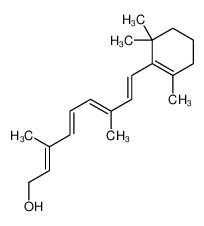
- 5979-23-7
- C20H30O
- 286.45200
- All (33)
- China (19)
- (33)
- 1987-71-9
- C12H14N2O7
- 298.25000
- All (0)
- China (0)
- (0)
- 118353-70-1
- C26H44OSi
- 400.71200
- All (0)
- China (0)
- (0)
- 270258-63-4
- C18H16O3
- 280.31800
- All (0)
- China (0)
- (0)
- 5259-92-7
- C12H17N3O
- 219.28300
- All (0)
- China (0)
- (0)
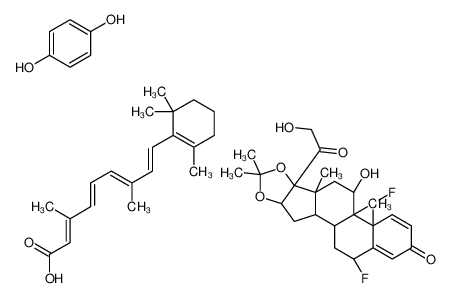
- 940291-89-4
- C50H64F2O10
- 863.03400
- All (0)
- China (0)
- (0)
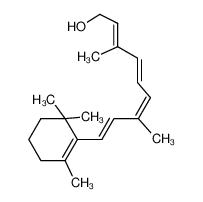
- 17706-49-9
- C20H30O
- 286.45200
- All (0)
- China (0)
- (0)
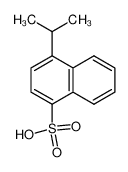
- 749150-51-4
- C13H14O3S
- 250.31300
- All (0)
- China (0)
- (0)
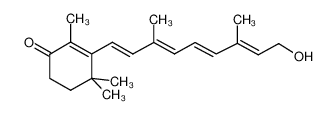
- 62702-55-0
- C20H28O2
- 300.44000
- All (0)
- China (0)
- (0)
- 2052-63-3
- C20H30O
- 286.45
- All (0)
- China (0)
- (0)
Related Products More >

- 98-92-0
- Request For Quotation
- 98-92-0
- Request For Quotation
- 98-92-0
- Request For Quotation
- 98-92-0
- Request For Quotation
- 98-92-0
- Request For Quotation
- 98-92-0
- Request For Quotation
- 98-92-0
- Request For Quotation
- 98-92-0
- Request For Quotation


When mixing these, some combinations need caution. AHA/BHA and retinol or tretinoin shouldn’t be layered directly—both exfoliate, which can lead to irritation. Instead, Reddit users often suggest alternating nights. Niacinamide, though, pairs well with both; applying it first can help buffer irritation before using AHA/BHA or retinol. For application order, mornings might follow cleanser, toner, niacinamide, AHA/BHA, moisturizer, then SPF. Nights could be cleanser, toner, niacinamide, retinol or tretinoin, then moisturizer, with 10 to 15 minutes between steps to let each product absorb. For sensitive skin, start with low concentrations, like 5% AHA or 0.1% retinol, using them 2 to 3 times a week. Patch-testing on the jawline or inner arm and waiting 48 hours helps check for reactions. Avoid over-exfoliating, and use moisturizers with ceramides or hyaluronic acid to counter dryness.
Beta hydroxy acids (salicylic acid) demonstrate superior lipid solubility, enabling deeper penetration into sebaceous follicles. Their keratolytic action follows first-order reaction kinetics, with optimal results achieved through nightly application for acne management. The phenolic hydroxyl group in salicylic acid also confers mild anti-inflammatory properties through cyclooxygenase inhibition.
Retinol, a vitamin A alcohol, requires enzymatic conversion to retinoic acid via retinol dehydrogenases and retinaldehyde reductases. This two-step bioactivation process explains its delayed onset of action compared to prescription tretinoin, which directly binds nuclear retinoic acid receptors. Both agents induce epidermal hyperplasia and collagen synthesis but necessitate nighttime application due to their photosensitizing effects, with initial concentrations kept below 0.3% to minimize irritant contact dermatitis.
Niacinamide (nicotinamide) exhibits multifunctional properties through its role as a precursor to NAD+ and NADP+. Its anti-inflammatory effects stem from inhibition of mast cell degranulation and reduced cytokine production. Unlike acids and retinoids, niacinamide maintains stability across a broad pH range (5-7), allowing flexible application timing.
Chemical compatibility considerations are crucial when combining these agents. Mixing AHAs/BHAs with retinoids often leads to additive exfoliation due to synergistic keratolytic effects, potentially exceeding the skin's natural repair capacity. A staggered application - acids in the evening followed by retinol after 30 minutes - helps compartmentalize their actions. Niacinamide can be safely incorporated, though precipitation may occur when mixed with low-pH formulations due to protonation of its primary amine group.
Sensitive skin management requires gradual introduction following a sigmoidal tolerance curve. Initial low-concentration application (2-3%) with progressive increases only after assessing transepidermal water loss (TEWL) measurements helps minimize adverse reactions. Sun protection becomes imperative as these agents increase photosensitivity through mechanisms including stratum corneum thinning and melanin distribution alterations.
Retinol and tretinoin are both vitamin A derivatives that work to increase cell turnover and collagen production. Retinol is available over the counter and is generally milder than prescription-strength tretinoin. Both should be used exclusively at night because they increase the skin's sensitivity to UV rays. When starting retinol it’s best to apply it 2-3 times a week initially and gradually increase frequency to allow the skin to adjust. Tretinoin requires even more caution as it can cause significant dryness and peeling especially during the first few weeks of use. A pea-sized amount applied to clean dry skin followed by a moisturizer after 20 minutes helps reduce irritation.
Niacinamide is a versatile ingredient that can be used both morning and night. It helps regulate oil production minimize pores and improve skin barrier function. Unlike AHA BHA and retinoids niacinamide is generally well-tolerated even by sensitive skin types. It can be layered with other products but applying it before retinol can act as a buffer to reduce potential irritation.
Mixing these ingredients requires careful consideration. AHA and BHA should not be used on the same day as they both exfoliate the skin and combining them may lead to over-exfoliation and damage. Retinol and tretinoin should also not be mixed with AHA or BHA for the same reason. However niacinamide can be safely combined with retinol if applied in the correct order with niacinamide first followed by retinol.
For sensitive skin it’s essential to introduce these ingredients gradually. Starting with lower concentrations and using them only a few times a week allows the skin to build tolerance. Always follow up with sunscreen during the day as these active ingredients increase photosensitivity. If irritation occurs reducing frequency or switching to gentler formulations can help. Hydrating with a soothing moisturizer is also key to maintaining the skin barrier while using these active ingredients.
Mixing these ingredients needs care. AHA or BHA with retinol or tretinoin can irritate, so many suggest alternating days. Niacinamide generally pairs well with most, but some report flushing when mixed with high-concentration AHA/BHA. Application order usually follows texture—thinnest to thickest. For sensitive skin, start with low concentrations, patch-test first, and skip combining multiple actives until tolerance builds. Moisturizer and sunscreen remain key to buffer potential irritation.