


 Home
Home
Hi, I'd like to ask—Why does Eye Duty niacinamide brightening eye cream have obvious brightening effects on the eye area? How does niacinamide work with other ingredients like ascorbyl glucoside or glycyrrhizin to brighten? Does it work on both vascular and pigmented dark circles? Is it suitable for long-term use around the eyes? Thanks!
Why does Eye Duty niacinamide brightening eye cream achieve effective brightening effects on the delicate eye area?
Related Encyclopedia
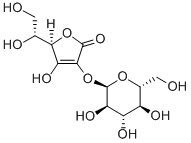
- 129499-78-1
- C12H18O11
- 338.26
- All (8)
- China (6)
- (8)
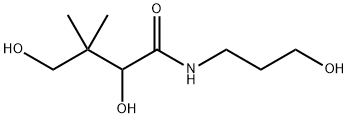
- 16485-10-2
- C9H19NO4
- 205.25
- All (15)
- China (0)
- (15)
- 430434-23-4
- C42H65NO16
- 839.96300
- All (1)
- China (0)
- (1)
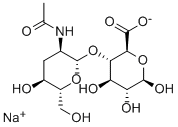
- 9004-61-9
- C14H22NNaO11
- 403.31
- All (106)
- China (43)
- (106)
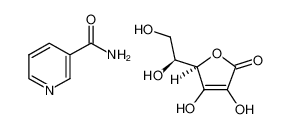
- 1987-71-9
- C12H14N2O7
- 298.25000
- All (0)
- China (0)
- (0)
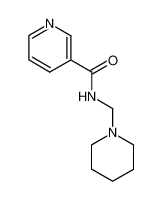
- 5259-92-7
- C12H17N3O
- 219.28300
- All (0)
- China (0)
- (0)
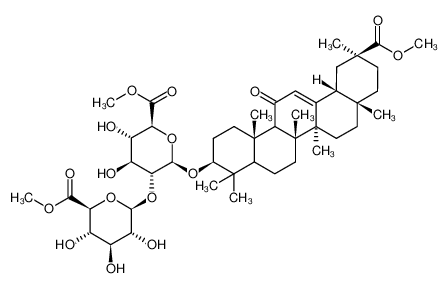
- 30430-55-8
- C45H68O16
- 865.01200
- All (0)
- China (0)
- (0)
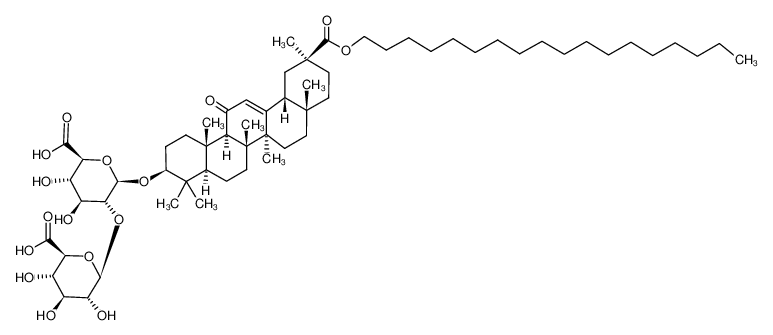
- 135459-36-8
- C60H98O16
- 1075.41000
- All (0)
- China (0)
- (0)
- 1262326-49-7
- C42H62O17
- 838.93100
- All (0)
- China (0)
- (0)
- 1267597-07-8
- C31H49NO5
- 515.72400
- All (0)
- China (0)
- (0)
Related Products More >

- CNY Request For Quotation
- CNY Request For Quotation
- CNY Request For Quotation
- CNY Request For Quotation
- CNY Request For Quotation
- CNY Request For Quotation
- 79165-06-3
- Request For Quotation
- 25kg
- 79165-06-3
- Request For Quotation
- 1ton


This cream addresses both vascular and pigmented dark circles. For pigmented (brown) types, the niacinamide and ascorbyl glucoside target excess melanin. For vascular (blue or purple) ones, ingredients that support better microcirculation help reduce the visibility of underlying blood vessels. It is suitable for long-term use, as it is dermatologist-tested and free of harsh chemicals like parabens. Niacinamide is generally well-tolerated, though those with sensitive skin may want to do a patch test first. Consistent daily use supports ongoing hydration and barrier health, maintaining brightening results over time.
When paired with ascorbyl glucoside, the brightening action becomes more comprehensive. This stable vitamin C derivative penetrates the stratum corneum more effectively than pure ascorbic acid, where it donates electrons to neutralize free radicals and inhibit tyrosinase activity - the key enzyme in melanin synthesis. The synergistic effect between niacinamide's melanin transport inhibition and ascorbyl glucoside's tyrosinase suppression creates a dual-action approach to pigmentation reduction.
Glycyrrhizin, extracted from licorice root, contributes additional value through its anti-inflammatory properties. It inhibits superoxide anion production and reduces cyclooxygenase-2 expression, addressing the vascular component of dark circles caused by microcirculation issues. This is particularly relevant for individuals with genetically predisposed thin under-eye skin where blood vessels are more visible.
From a trade and formulation chemistry standpoint, the stability of this combination presents interesting challenges. Niacinamide can degrade into nicotinic acid at high temperatures, potentially causing skin flushing. Modern manufacturing processes now include controlled temperature environments and pH buffering (typically maintained at 5.5-6.0) to prevent this conversion. The inclusion of glycyrrhizin also requires careful consideration of its solubility characteristics, often necessitating the use of specific surfactants in the emulsion system.
Long-term use safety has been demonstrated in clinical trials, with studies showing no significant irritation when used twice daily for 12-week periods. The eye cream's formulation avoids common sensitizers like fragrance and parabens, making it suitable for sensitive skin types. However, individual variations in skin barrier function mean patch testing remains advisable, particularly for those with known allergies to botanical extracts. The combination of these ingredients addresses both the pigmentary and vascular aspects of under-eye darkness through scientifically validated mechanisms, while maintaining formulation stability suitable for commercial distribution.
When paired with ascorbyl glucoside, a vitamin C derivative, the two work synergistically: niacinamide regulates melanin transport, while ascorbyl glucoside blocks melanin synthesis via tyrosinase inhibition. Glycyrrhizin, with anti-inflammatory properties, calms skin, reducing redness that can make dark circles more noticeable. This combination addresses both pigmented dark circles (by targeting melanin) and vascular ones (by soothing inflammation and improving circulation). For long-term use, niacinamide is generally well-tolerated, though starting with lower concentrations helps avoid potential irritation in the delicate eye area.
The cream's brightening efficacy is amplified through strategic combinations with complementary ingredients. Ascorbyl glucoside, a stable and less irritating derivative of vitamin C, enhances the formulation's antioxidant capacity while providing additional melanin-suppressing benefits. This water-soluble vitamin C derivative penetrates effectively into the skin without causing irritation, making it ideal for the sensitive eye contour. Glycyrrhizin, extracted from licorice root, contributes significant anti-inflammatory properties that help soothe irritation and reduce redness. This is particularly valuable as inflammation often exacerbates pigmentation issues. The synergistic interaction between these three key ingredients creates a comprehensive approach to brightening - niacinamide prevents new pigmentation, ascorbyl glucoside fades existing dark spots, and glycyrrhizin calms the skin to prevent inflammation-induced discoloration.
When addressing different types of dark circles, the cream demonstrates selective effectiveness. For pigmented dark circles resulting from melanin overproduction, the combination of niacinamide and ascorbyl glucoside proves highly effective. These ingredients work at multiple stages of melanin production to gradually fade existing pigmentation and prevent new discoloration. However, vascular dark circles caused by thin skin and visible blood vessels respond less dramatically to this formulation. While the improved skin texture and slight thickening effect from prolonged use may offer minor improvements, these types of dark circles typically require additional treatments targeting blood flow regulation or vessel constriction. The cream's hydrating properties can provide some temporary improvement by plumping the skin, but results will be limited compared to treatments specifically formulated for vascular concerns.
Long-term use of this eye cream is generally considered safe when proper application techniques are followed. Niacinamide is well-tolerated at the concentrations typically used in skincare products (usually between 2-5%), and the eye cream avoids potentially irritating additives. However, individuals with extremely sensitive skin should initiate use with a patch test. For optimal results, the cream should be applied consistently as part of a morning and evening skincare routine. Daytime application should always be followed by broad-spectrum sunscreen, as UV exposure can quickly reverse brightening effects by stimulating new melanin production. The cream's lightweight texture allows for gentle application with the ring finger, minimizing mechanical stress on the delicate eye area.