


 Home
Home
Hi, I'd like to ask—Does collagen itself or additives like sorbitol in supplements cause diarrhea? How do peptides in collagen affect gut digestion and potentially lead to diarrhea? Are people with lactose intolerance more likely to get diarrhea from collagen products containing lactose? What dosage of collagen is less likely to trigger diarrhea? Can switching to lactose-free collagen reduce the risk of diarrhea? Thanks!
Can collagen supplements, especially those with sorbitol or lactose, cause diarrhea in sensitive individuals?
Related Encyclopedia
- 9007-34-5
- 0
- All (14)
- China (1)
- (14)
- 9064-67-9
- C4H6N2O3R2.(C7H9N2O2R)n
- 0
- All (14)
- China (1)
- (14)
- 207570-54-5
- C12H22O11
- 342.29600
- All (47)
- China (9)
- (47)
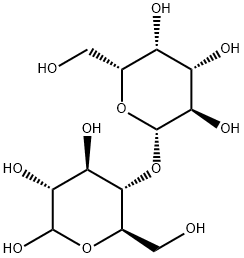
- 63-42-3
- C12H22O11
- 342.3
- All (47)
- China (9)
- (47)

- 50-70-4
- C6H14O6
- 182.17
- All (85)
- China (31)
- (85)

- 133-43-7
- C6H14O6
- 182.17200
- All (85)
- China (31)
- (85)
- 92113-31-0
- CO(NH2)2,Fe+++
- 0
- All (3)
- China (0)
- (3)
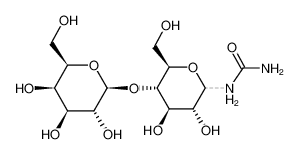
- 24162-28-5
- C13H24N2O11
- 384.33600
- All (0)
- China (0)
- (0)
- 12111-18-1
- C14H16Cl6NOPt-
- 622.07
- All (0)
- China (0)
- (0)

- 6291-42-5
- C28H38O19
- 678.59
- All (1)
- China (0)
- (1)
Related Products More >

- 50-70-6
- CNY Request For Quotation
- 50-70-5
- CNY Request For Quotation
- 50-70-4
- CNY Request For Quotation
- 63-42-3
- CNY 5.0000
- 25kg
- 652-67-5
- CNY 3.0000
- 25kg
- 59-23-4
- USD 100.0000
- 25kg
- 98201-93-5
- Request For Quotation
- 98201-93-5
- Request For Quotation


Collagen peptides, being smaller than whole proteins, are easier for the body to absorb. Still, in excessive amounts, these peptides can sometimes stimulate the intestines, increasing their movement and potentially leading to loose stools, though this is less common than problems caused by additives. People with lactose intolerance are more prone to diarrhea from collagen products that contain lactose, as their bodies lack sufficient lactase to break down lactose, leading to fermentation in the gut, gas, and diarrhea.
A daily collagen dosage of 20 to 30 grams is less likely to cause diarrhea for most individuals, as this range fits within the gut’s ability to process it. Doses above 40 grams increase the risk of digestive upset. Switching to lactose-free collagen can reduce the risk of diarrhea, particularly for those with lactose intolerance, by removing the lactose that their bodies struggle to digest.
Sorbitol, a sugar alcohol sometimes used as a sweetener or humectant in collagen supplements, is one of the more common culprits behind digestive upset. As a FODMAP (fermentable oligosaccharides, disaccharides, monosaccharides, and polyols), sorbitol can draw water into the intestines and ferment in the gut, potentially leading to diarrhea, especially when consumed in large amounts or by individuals with sensitive digestive systems. Some collagen products may contain small amounts of sorbitol for texture or sweetness, which could be problematic for those prone to laxative effects from sugar alcohols.
The peptides in collagen are typically broken down into smaller amino acids during digestion, but some people may still experience mild gastrointestinal effects. Since collagen peptides are hydrolyzed forms of protein, they're generally easier to digest than whole proteins. However, consuming very high doses of collagen peptides might overwhelm some individuals' digestive systems, potentially leading to increased bowel movements or loose stools. This effect varies greatly between individuals, with some experiencing no issues even at higher doses while others may notice changes in digestion.
Lactose intolerance presents a more straightforward connection to potential digestive problems with collagen supplements. Many collagen products, particularly those derived from bovine sources, may contain trace amounts of lactose during processing. While high-quality collagen supplements typically remove most lactose during manufacturing, some residual lactose might remain. For individuals with lactose intolerance, even small amounts of lactose can trigger symptoms like diarrhea, bloating, and abdominal cramping. The severity of reaction depends on the individual's level of lactase deficiency and the amount of residual lactose in the product.
Dosage plays an important role in minimizing digestive side effects. Most people tolerate collagen supplements well when starting with a moderate dose (typically 5-10 grams per day) and gradually increasing if needed. Taking collagen with food often helps reduce potential digestive discomfort by slowing absorption and providing digestive enzymes from the meal to assist breakdown.
For those with lactose intolerance, switching to lactose-free collagen products significantly reduces the risk of digestive issues. Many manufacturers now offer specifically formulated lactose-free collagen supplements, often sourced from marine collagen or using advanced processing techniques to remove virtually all lactose. These products typically come with certifications or statements confirming their lactose-free status, providing assurance for sensitive individuals.
Sorbitol, commonly used as a sweetener or humectant in liquid collagen preparations, demonstrates clear laxative properties when consumed in quantities exceeding 5-10 grams per day. This sugar alcohol isn't fully absorbed in the small intestine, instead undergoing bacterial fermentation in the colon where it produces short-chain fatty acids and draws water into the intestinal lumen. Clinical observations note that susceptible individuals may experience osmotic diarrhea when exposed to sorbitol-containing products, particularly when combined with other osmotically active compounds.
The digestion kinetics of collagen peptides reveal an interesting paradox. While these di- and tripeptides are efficiently absorbed through peptide transporters, extremely high doses (typically above 15-20 grams per day) may transiently alter intestinal permeability. This phenomenon, sometimes referred to as "leaky gut" in popular literature, could theoretically contribute to malabsorption symptoms including diarrhea. However, peer-reviewed studies suggest this effect occurs only at supraphysiological dosages rarely encountered in standard supplements.
Lactose intolerance presents a more straightforward mechanism for gastrointestinal distress. Many collagen products, particularly those derived from bovine sources, undergo minimal processing that leaves trace amounts of lactose. For individuals with hypolactasia, even 2-3 grams of residual lactose can trigger osmotic diarrhea due to impaired brush-border lactase activity. This is particularly problematic given that many consumers remain unaware of their lactose sensitivity threshold.
Dosage optimization studies indicate that 5-10 grams per day represents a safe range for most individuals. This quantity provides sufficient amino acid substrate for collagen synthesis while staying below thresholds associated with osmotic disturbances. Notably, divided dosing appears to improve gastrointestinal tolerance compared to single large doses.
For lactose-intolerant consumers, selecting products labeled "lactose-free" offers the most reliable solution. These formulations typically employ advanced filtration techniques to remove residual sugars, though cross-contamination remains possible during manufacturing. Reading ingredient declarations carefully remains essential, as some manufacturers may use terms like "dairy-free" while still permitting trace lactose content.
People with lactose intolerance face higher risks if collagen products contain lactose. Without sufficient lactase, lactose ferments, causing gas and fluid buildup that triggers diarrhea. Typical safe doses range from 10 to 30 grams daily; beyond this, the osmotic effect rises. Switching to lactose-free collagen removes lactose as a trigger, lowering diarrhea risk for the intolerant, though watching overall intake—peptides and additives included—still matters.