


 Home
Home
Hi, I'd like to ask—What facial serums with specific ingredients can effectively boost collagen in the face? Do facial massages help stimulate collagen production in facial skin? Can certain fruits or vegetables applied topically boost facial collagen? How does avoiding excessive sun exposure help maintain facial collagen? Are there any facial exercises that specifically target collagen boost in cheeks or forehead? Thanks!
How to effectively boost collagen in the face using ingredients like retinol and hyaluronic acid?
Related Encyclopedia
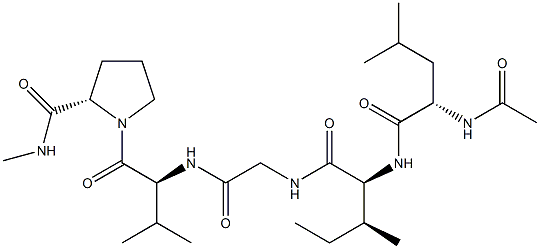
- 9007-58-3
- C27H48N6O6
- 552.70662
- All (0)
- China (0)
- (0)
- 9007-34-5
- 0
- All (14)
- China (1)
- (14)
- 9064-67-9
- C4H6N2O3R2.(C7H9N2O2R)n
- 0
- All (14)
- China (1)
- (14)
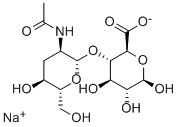
- 9004-61-9
- C14H22NNaO11
- 403.31
- All (106)
- China (43)
- (106)
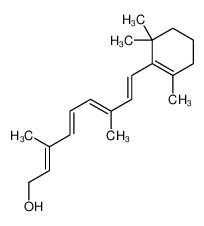
- 5979-23-7
- C20H30O
- 286.45200
- All (33)
- China (19)
- (33)
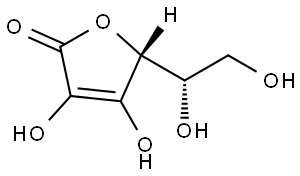
- 50-81-7
- C6H8O6
- 176.12
- All (105)
- China (2)
- (105)
- 92113-31-0
- CO(NH2)2,Fe+++
- 0
- All (3)
- China (0)
- (3)
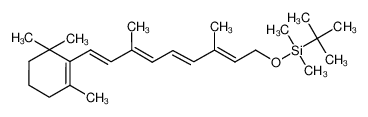
- 118353-70-1
- C26H44OSi
- 400.71200
- All (0)
- China (0)
- (0)
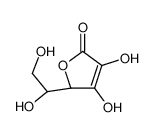
- 10504-35-5
- C6H8O6
- 176.12400
- All (0)
- China (0)
- (0)
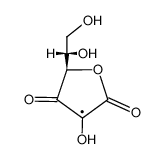
- 1141863-91-3
- C6H7O6
- 175.11600
- All (0)
- China (0)
- (0)
Related Products More >

- CNY Request For Quotation
- CNY Request For Quotation
- CNY Request For Quotation
- 86404-04-8
- CNY Request For Quotation
- 86404-04-8
- CNY Request For Quotation
- CNY Request For Quotation
- CNY Request For Quotation
- CNY Request For Quotation


Facial massages may help stimulate collagen indirectly. Regular, gentle massage boosts blood flow, bringing more oxygen and nutrients to fibroblasts, which are vital for collagen. It can also ease tension that might stress skin and damage collagen, though direct proof of significant collagen increase is limited, with benefits often linked to better circulation supporting skin health.
Topically applied fruits or vegetables have limited impact on facial collagen. While citrus with vitamin C, strawberries, or spinach have nutrients that support collagen, their large molecules struggle to penetrate the skin barrier. Skincare products with these nutrients in stabilized, concentrated forms work better, as they are made for better absorption.
Avoiding excessive sun exposure is key for maintaining facial collagen. UV rays trigger free radicals that break down collagen fibers and hinder fibroblasts from making new collagen. Limiting sun exposure reduces this damage, preserving existing collagen and letting fibroblasts function well.
Facial exercises targeting cheeks or forehead may indirectly support collagen. Movements like wide smiles held for seconds (cheeks) or lifting eyebrows and holding (forehead) increase muscle activity, boosting blood flow. This delivers more nutrients to fibroblasts, potentially aiding collagen production, though direct evidence of measurable increases is still developing.
Facial massages could indirectly help by boosting blood flow, which brings more oxygen and nutrients to skin cells. This might support the cells that produce collagen, though the effect is gentler than using targeted ingredients.
Putting fruits or vegetables like citrus (with vitamin C) or aloe directly on the skin might offer some antioxidants, but their impact is limited. The skin’s barrier makes it hard for large molecules to get deep, so benefits stay mostly on the surface.
Facial exercises, like lifting cheeks or stretching the forehead, may strengthen the muscles underneath. This can make skin look firmer, but there’s not much direct proof they increase collagen. Muscle tone might support skin structure, but the collagen boost itself isn’t well shown.
Facial massage techniques influence collagen production indirectly through mechanical stimulation of fibroblasts. Controlled studies using 5-minute daily manual lymphatic drainage show measurable increases in dermal thickness after 8-12 weeks, likely due to enhanced microcirculation and interstitial fluid dynamics. However, the shear forces involved remain orders of magnitude below those required for direct mechanotransduction pathways known to affect fibroblast behavior.
Topical application of fresh fruits and vegetables shows negligible direct effects on collagen synthesis. While citrus extracts provide vitamin C, the required therapeutic concentrations exceed what simple topical application can deliver. Bromelain-containing preparations may reduce superficial inflammation but lack the molecular specificity to upregulate collagen production pathways. The stratum corneum's lipophilic nature further limits penetration of most plant-derived macromolecules.
UV avoidance remains the most effective non-invasive method for collagen preservation. UVB radiation generates reactive oxygen species that directly cleave collagen fibrils while activating AP-1 transcription factors that increase MMP-1 expression. Clinical studies confirm that consistent SPF 30+ application reduces collagen degradation rates by approximately 30% over one solar year.
Facial exercises targeting specific muscle groups produce minimal collagen-related benefits. Isometric contractions may temporarily increase local blood flow, but no controlled trials demonstrate measurable changes in dermal collagen density. The facial musculature's contractile forces don't translate into sufficient mechanical stress to activate fibroblast collagen synthesis pathways. This highlights the fundamental difference between muscle hypertrophy mechanisms and extracellular matrix remodeling processes.
Facial massage techniques can contribute to collagen stimulation by enhancing blood flow and lymphatic drainage. Improved circulation delivers more oxygen and nutrients to the dermis, creating a more favorable environment for collagen production. Methods like gua sha, jade rolling, or manual lymphatic drainage massage may help reduce fluid retention and improve skin elasticity when performed consistently. However, the effects are generally subtle and work best as part of a comprehensive skincare routine rather than as standalone treatments.
Topical application of certain fruits and vegetables may provide minor collagen-supporting benefits through their antioxidant content. Pineapple contains bromelain, an enzyme with anti-inflammatory properties that may aid skin repair. Tomatoes are rich in lycopene, a powerful antioxidant that helps protect against UV-induced collagen damage. Cucumber and papaya contain enzymes like papain that gently exfoliate and nourish the skin, though their direct impact on collagen synthesis is limited. For meaningful results, these natural ingredients are best used as complements to scientifically formulated serums rather than primary treatments.
Avoiding excessive sun exposure is one of the most effective ways to preserve facial collagen. UV radiation, particularly UVA rays, penetrates deep into the dermis and breaks down existing collagen fibers while impairing fibroblast function. This leads to visible signs of photoaging, including wrinkles and sagging. Daily use of broad-spectrum sunscreen with SPF 30 or higher, combined with protective clothing and shade, significantly reduces collagen degradation. Antioxidants like vitamin C and E in skincare can provide additional protection against free radical damage caused by UV exposure.
Facial exercises targeting specific areas may help maintain muscle tone, which indirectly supports skin firmness. Cheek exercises such as "cheek puffing" or smiling with resistance can engage the zygomaticus muscles, potentially improving circulation in the mid-face. Forehead exercises like brow lifts against gentle resistance may strengthen the frontalis muscle, reducing sagging. While research on their direct impact on collagen production is limited, these exercises can complement other anti-aging strategies when performed regularly and correctly.
For optimal collagen support, combining topical treatments with sun protection, healthy lifestyle habits, and professional treatments like microneedling or laser therapy often yields the best results. Consistency and patience are key, as collagen remodeling is a gradual process that typically requires several weeks to show noticeable improvements.