


 Home
Home
Hi, I'd like to ask—can coconut oil be added to hot drinks like coffee or tea? What's the appropriate amount to add to meals each day? Is it better to eat it raw or after heating? Can it be used as a substitute for butter in baking? Thanks!
What are the common and healthy ways to eat coconut oil in daily diet?
Related Encyclopedia
- 8001-31-8
- N/A
- 0
- All (37)
- China (5)
- (37)
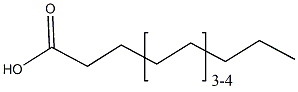
- 61788-47-4
- C19H21NO5
- 0
- All (8)
- China (0)
- (8)
- 55621-34-6
- C32H62O7
- 558.83000
- All (84)
- China (21)
- (84)

- 143-07-7
- C12H24O2
- 200.32
- All (84)
- China (21)
- (84)
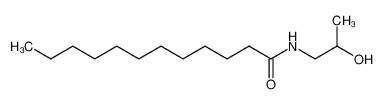
- 142-54-1
- C15H31NO2
- 257.41200
- All (0)
- China (0)
- (0)
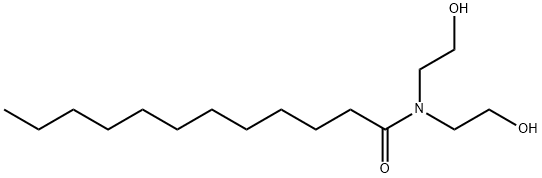
- 120-40-1
- C16H33NO3
- 287.44
- All (3)
- China (2)
- (3)

- 142-78-9
- C14H29NO2
- 243.39
- All (2)
- China (2)
- (2)
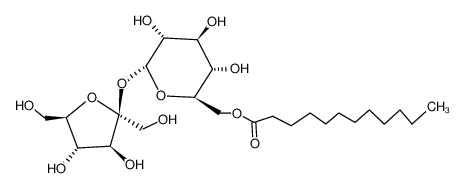
- 13039-40-2
- C24H44O12
- 524.59900
- All (0)
- China (0)
- (0)
- 17773-50-1
- C17H28O3
- 280.40200
- All (0)
- China (0)
- (0)
![LAURIC ACID, [1-14C]](https://chemcloud-1304660855.cos.ap-shanghai.myqcloud.com/compound/c75fb498b8fa42d2846074414f8d3073.png?imageMogr2/format/webp)
- 55322-51-5
- C12H24O2
- 202.34000
- All (0)
- China (0)
- (0)
Related Products More >

- 105-55-5
- CNY Request For Quotation
- 41365-24-6
- CNY Request For Quotation
- 20941-65-5 Tetrakis(diethyldithiocarbamato)-teIlurium(IV)
- CNY Request For Quotation
- CNY Request For Quotation
- CNY Request For Quotation
- 624-17-9
- Request For Quotation
- 2050-23-9
- Request For Quotation
- 2050-20-6
- Request For Quotation


The recommended daily amount of coconut oil for meals is 1 to 2 tablespoons (14 to 28 grams). Consuming more might cause digestive issues like diarrhea because of its high medium-chain triglyceride content, which the body processes quickly. Starting with smaller amounts and increasing gradually helps the body adjust.
Whether to eat coconut oil raw or heated depends on how you plan to use it. Raw, it works well in smoothies, oatmeal, or as a spread on toast, keeping its natural flavor and nutrients. When heated, it stays stable at moderate temperatures up to about 350°F (177°C), making it good for sautéing or light frying. Avoid overheating to very high temperatures, as this can slightly lower its nutritional value.
Coconut oil can replace butter in baking, though there are differences. It adds a mild coconut flavor, which suits cookies, muffins, or quick breads. Since it is 100% fat (unlike butter, which has water and milk solids), use a 1:1 ratio but consider reducing other liquids a bit to keep the right texture. For flaky recipes like pie crusts, butter’s water content helps create layers, so coconut oil may make them denser, but it still works, especially for those needing a dairy-free option.
The appropriate daily amount of coconut oil varies depending on individual health goals and dietary needs. Most health experts recommend consuming no more than 1 to 2 tablespoons (approximately 14 to 28 grams) per day as part of a balanced diet. This amount provides potential benefits without excessive calorie or saturated fat intake. For those using coconut oil for specific health reasons, such as supporting metabolism or improving skin health, starting with a smaller dose—like half a teaspoon—and gradually increasing while monitoring how the body responds is advisable. It's important to remember that coconut oil is high in saturated fats, so moderation is key to avoid potential negative health effects.
When it comes to consuming coconut oil, both raw and heated forms have their benefits. Eating it raw preserves its natural compounds, including medium-chain triglycerides (MCTs), which are believed to offer quick energy and metabolic advantages. Heating coconut oil doesn't significantly degrade its nutritional value, but extremely high temperatures might affect its flavor and stability. For cooking, coconut oil performs well at moderate heat, making it suitable for sautéing, stir-frying, or baking. However, it's best to avoid overheating it to prevent the formation of potentially harmful compounds.
Coconut oil can be used as a substitute for butter in baking, though some adjustments may be necessary. It has a lower melting point than butter, which can affect the texture and moisture content of baked goods. Typically, a 1:1 substitution works in many recipes, but the final product may have a slightly different consistency. Coconut oil adds a mild sweetness and subtle coconut flavor, which pairs well with spices like cinnamon, nutmeg, or vanilla. For those avoiding dairy, it's an excellent alternative, though the flavor profile may differ from butter-based recipes.
In summary, coconut oil is a versatile ingredient that can enhance both beverages and meals when used appropriately. Its potential health benefits, combined with its adaptability in cooking and baking, make it a valuable addition to many diets—provided it's consumed in moderation and prepared in a way that preserves its nutritional qualities.
For daily intake, aiming for 1 to 2 tablespoons makes sense. It’s rich in medium-chain triglycerides, which the body metabolizes differently than long-chain fats, but calories still count—overdoing it can tip daily intake out of balance.
Whether raw or heated works depends on use. Raw, it’s good in smoothies or over oatmeal, keeping its natural compounds intact. Heated, its smoke point around 177°C lets it handle sautéing or light frying without breaking down into harmful byproducts.
In baking, it substitutes butter in many recipes, though with nuances. Its higher saturated fat content can make textures denser, and its flavor stands out more, so it pairs best with robust or spiced treats rather than delicate pastries.
When incorporating coconut oil into daily meals, the recommended dosage typically ranges between 15 to 30 grams per day, equivalent to about 1 to 2 tablespoons. This aligns with dietary guidelines that suggest limiting saturated fat intake to less than 10% of total caloric consumption. Exceeding this amount may elevate serum LDL cholesterol levels, as demonstrated in clinical trials comparing coconut oil with other dietary fats. The difference between raw and heated consumption involves minimal chemical alteration, as the oil's smoke point of 177°C to 204°C allows for moderate-temperature cooking without significant lipid peroxidation.
In international trade, coconut oil serves as a valuable commodity, with major exporters including the Philippines and Indonesia. Its application in baking as a butter substitute has created new market opportunities, particularly in vegan and allergen-free product lines. Chemically, the solid-state transition of coconut oil at room temperature makes it functionally equivalent to butter in many recipes, though bakers must account for its distinct flavor profile and slightly lower melting range. The glyceride structure, primarily composed of lauric and myristic acids, affects moisture retention and crumb formation in baked goods, requiring formulation adjustments for optimal results. Recent research in food chemistry journals has explored enzymatic modification of coconut oil to improve its baking performance, offering potential for value-added exports in the global food industry.