


 Home
Home
Hi, I'd like to ask—Can niacinamide and hyaluronic acid be used together in skincare products? Will mixing them cause any chemical reactions? Is there an optimal order to apply them for better results? Do they enhance each other's benefits when used together? Thanks!
Can niacinamide and hyaluronic acid be safely used together in daily skincare routines?
Related Encyclopedia
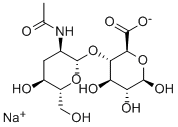
- 9004-61-9
- C14H22NNaO11
- 403.31
- All (106)
- China (43)
- (106)
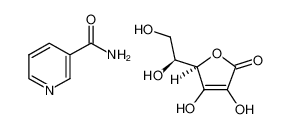
- 1987-71-9
- C12H14N2O7
- 298.25000
- All (0)
- China (0)
- (0)
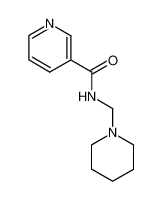
- 5259-92-7
- C12H17N3O
- 219.28300
- All (0)
- China (0)
- (0)
Related Products More >

- CNY Request For Quotation
- CNY Request For Quotation
- 98-92-0
- Request For Quotation
- 98-92-0
- Request For Quotation
- 98-92-0
- Request For Quotation
- 98-92-0
- Request For Quotation
- 98-92-0
- Request For Quotation
- 98-92-0
- Request For Quotation


A common optimal order for application is to use hyaluronic acid first, followed by niacinamide. Hyaluronic acid works best on slightly damp skin, as it can trap existing moisture more effectively. Its lightweight consistency allows it to penetrate quickly, preparing the skin for subsequent products. Niacinamide, often found in serums or treatments, can then be applied on top, working on the skin barrier without disrupting the hydration provided by hyaluronic acid. This layering ensures both ingredients发挥 their roles fully.
Using them together enhances their benefits. Hyaluronic acid’s hydration helps the skin absorb niacinamide more efficiently, while niacinamide’s barrier-strengthening properties help retain the moisture brought in by hyaluronic acid, reducing transepidermal water loss. This synergy leads to improved skin texture, increased hydration, and a more balanced complexion, making the combination a staple in many effective skincare routines.
Hyaluronic acid functions primarily as a humectant, meaning it attracts water molecules from the surrounding environment and binds them within the skin. This creates immediate hydration and plumping effects, particularly beneficial for dry or dehydrated skin types. Modern formulations often include multiple molecular weights of hyaluronic acid to deliver hydration to both the superficial layers and deeper dermal layers of the skin. This multi-level hydration approach helps create a more uniform moisture balance throughout the epidermis.
Niacinamide, on the other hand, offers a broader range of benefits beyond simple hydration. As a form of vitamin B3, it demonstrates remarkable efficacy in improving skin barrier function, reducing inflammation, regulating sebum production, and minimizing the appearance of pores. These properties make it particularly valuable for addressing issues like acne, rosacea, and general skin sensitivity. Niacinamide works by strengthening the skin's natural defense mechanisms, which helps maintain proper moisture retention over time.
When used together, these ingredients create a synergistic effect that goes beyond the sum of their individual benefits. Hyaluronic acid provides the immediate hydration boost, while niacinamide works to improve the skin's ability to retain that moisture by enhancing the barrier function. This combination is particularly effective for maintaining skin hydration throughout the day, as the niacinamide helps prevent transepidermal water loss while the hyaluronic acid continuously attracts moisture to the skin's surface.
The application order of these ingredients can influence their effectiveness. Most skincare experts recommend applying hyaluronic acid first, as its lightweight molecular structure allows it to penetrate quickly and begin attracting moisture immediately. After allowing it to absorb for about 30 seconds, niacinamide can be applied to work on the deeper layers of the skin. This sequence ensures that the skin is properly hydrated before the niacinamide begins its barrier-repairing work.
Both ingredients are generally well-tolerated by all skin types, including sensitive skin. Concentrations of 2-5% niacinamide and various forms of hyaluronic acid are commonly used in formulations without causing irritation. Some products even combine these ingredients with other complementary actives like ceramides or peptides to create comprehensive skincare solutions for specific concerns such as aging, acne, or hyperpigmentation.
Chemically, they don’t seem to react. Niacinamide is a B vitamin derivative, and hyaluronic acid is a sugar that holds water. Their molecular structures don’t clash, so mixing them doesn’t create anything harmful.
For application, I put hyaluronic acid on first. It’s lighter and needs moisture to work, so applying it right after washing my face helps it pull water into the skin. Then I layer niacinamide over it. It’s a bit thicker, so it locks in the hydration and does its own job too.
They seem to make each other better. Hyaluronic acid keeps skin plump and hydrated, which makes niacinamide’s effects on texture and redness more noticeable. And niacinamide strengthens the skin barrier, which might help the skin hold onto the moisture from hyaluronic acid longer. It’s a combo that just works for my routine.
From a formulation perspective, the application sequence follows fundamental dermatological principles. Hyaluronic acid, particularly when formulated with low molecular weight variants, should be applied first to freshly cleansed, slightly damp skin. This allows the hyaluronic acid molecules to immediately begin binding water at the skin's surface and upper epidermal layers. Niacinamide, typically formulated in serums with slightly higher viscosity, follows to act on the skin's surface and upper layers. This layering approach creates an optimal hydration gradient while allowing each ingredient to perform its primary functions without interference.
The synergistic effects of this combination have been documented in several peer-reviewed studies. Niacinamide enhances the skin's moisture retention capacity by upregulating aquaporin-3 expression, while hyaluronic acid provides immediate hydration through its hydrophilic properties. The barrier-strengthening effects of niacinamide complement hyaluronic acid's humectant action, creating a more resilient skin environment. Clinical trials have shown that combined use can improve skin elasticity and reduce transepidermal water loss more effectively than either ingredient used alone.
Temperature and pH stability are critical factors in maintaining the efficacy of this combination. Modern cosmetic formulations carefully control these parameters to prevent niacinamide's conversion to niacin at low pH levels, which could cause irritation. The solubility characteristics of both ingredients in aqueous solutions make them particularly suitable for lightweight, cosmetically elegant formulations that appeal to a broad consumer base.