


 Home
Home
Hi, I'd like to ask—What specific chemical traits make an olive oil qualify as good, such as optimal levels of oleic acid and squalene? How do sensory factors like aroma and taste, which relate to polyphenol content, indicate quality? Does low oxidation, a sign of freshness, correlate with higher antioxidant levels in good olive oil? Are there standard ranges for these compounds that experts use to judge quality? Thanks!
What is considered a good olive oil based on its chemical composition, sensory attributes, and freshness indicators?
Related Encyclopedia
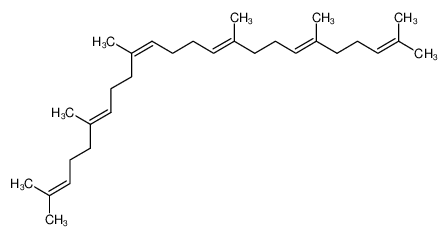
- 24566-13-0
- C30H50
- 410.71800
- All (14)
- China (12)
- (14)

- 111-02-4
- C30H50
- 410.72
- All (14)
- China (12)
- (14)

- 7683-64-9
- C30H50
- 410.72
- All (14)
- China (12)
- (14)

- 112-80-1
- C18H34O2
- 282.46
- All (141)
- China (22)
- (141)
- 141903-93-7
- C17H35N
- 253.46600
- All (141)
- China (22)
- (141)
- 67629-40-7
- C30H49ClO3
- 493.16100
- All (38)
- China (12)
- (38)

- 59-02-9
- C29H50O2
- 430.71
- All (38)
- China (12)
- (38)

- 79434-83-6
- C29H50O2
- 430.70600
- All (38)
- China (12)
- (38)

- 2074-53-5
- C29H50O2
- 430.71
- All (38)
- China (12)
- (38)
- 142386-74-1
- C38H67N2O3P
- 630.92400
- All (38)
- China (12)
- (38)
Related Products More >

- CNY Request For Quotation
- CNY Request For Quotation
- CNY Request For Quotation
- 2074-53-5
- CNY 30.0000
- 25kg
- 60-33-3
- USD 30.0000
- 25kg
- 30999-06-5
- Request For Quotation
- 50kg
- 30999-06-5
- Request For Quotation
- 1kg
- 991-84-4
- Request For Quotation


Sensory factors like aroma and taste connect closely to polyphenol content. Polyphenols, including oleuropein, create the fresh, fruity, or lightly peppery notes in top oils. Aromas with green fruit (apple, grass) or floral hints, paired with a clean, lively taste, signal high polyphenols—signs of careful extraction and freshness. Off notes like mustiness or rancidity mean low polyphenols, often from over-ripening or oxidation.
Low oxidation, a sign of freshness, strongly correlates with higher antioxidant levels. Oils with low oxidation, measured by peroxide values below 20 milliequivalents per kilo (as per standards), retain more antioxidants like polyphenols and vitamin E. Experts use these ranges—oleic acid 55%-83%, squalene 0.3%-1.5%, peroxide values under 20—to judge quality, ensuring the oil is both fresh and beneficial.
Sensory traits tied to polyphenol content further define quality. Hydroxytyrosol and tyrosol derivatives, primary phenolic compounds, typically range from 50–1,000 mg/kg in extra virgin oils, with top-tier products often surpassing 250 mg/kg. These compounds create the characteristic peppery finish and bitterness by stimulating trigeminal nerve receptors. Volatile aroma compounds—aldehydes, alcohols, and esters—form a complex profile evaluated through the IOC’s flavor wheel. Fresh, high-quality oils exhibit balanced green fruit, tomato leaf, and artichoke notes, while defects (e.g., rancidity or fustiness) signal chemical degradation.
Oxidative freshness, a hallmark of quality, correlates strongly with antioxidant levels. Peroxide value (PV), UV absorption coefficients (K232 and K270), and TOTOX (2×PV + K268) serve as quantitative markers. Premium oils maintain PV below 2 meq/kg, K232 below 2.5, and K270 under 0.22, with TOTOX values below 30. Specific secoiridoids, like oleocanthal (typically 10–100 mg/kg), add precision to quality evaluation due to their potent anti-inflammatory effects, which diminish over time. Together, these chemical parameters create a rigorous framework for distinguishing superior olive oils in both trade and academic contexts.
Sensory factors link to polyphenol levels. Aromas like green apple, grass, or almond, along with bright bitterness or a peppery tingle, often point to more polyphenols. These compounds fight oxidation and show freshness. Flat or stale smells and tastes suggest fewer polyphenols and lower quality.
Low oxidation, seen in peroxide values under 20 meq O2/kg and free fatty acids below 0.8% for top grades, goes hand in hand with more antioxidants. Oxidation breaks down antioxidants like polyphenols, so fresh oils with little oxidation keep more of these protective substances.
Groups like the IOOC or EU set standards. Extra virgin needs at least 55% oleic acid, peroxide values 20 or lower, and free fatty acids 0.8% or less. Polyphenols don’t have strict ranges, but over 200 mg/kg often means better quality, matching strong sensory characteristics.
Sensory evaluation plays an equally critical role in quality assessment, as trained panels detect specific aroma and flavor profiles that correlate with chemical composition. Fresh, high-quality olive oil should display pronounced fruity notes derived from volatile compounds like aldehydes and alcohols, while bitterness and pungency indicate elevated polyphenol levels. The International Olive Council has established sensory standards defining defects such as fustiness (resulting from anaerobic fermentation), rancidity (caused by oxidation), and mustiness (from mold contamination) that automatically disqualify oil from premium classifications. These sensory characteristics directly reflect the oil's chemical freshness and antioxidant capacity.
Oxidation levels provide crucial information about freshness and quality preservation. Fresh olive oil maintains low peroxide values (below 20 meq/kg for extra virgin classification) and minimal oxidation products like ketones and aldehydes. This freshness directly correlates with higher antioxidant levels, as polyphenols and vitamin E work synergistically to protect the oil from degradation. The TOTOX value, which combines peroxide and anisidine values, offers a comprehensive measure of oxidative status, with top-quality oils maintaining TOTOX values below 26.
Standardized analytical methods create objective criteria for evaluating olive oil quality. European Union regulations specify maximum limits for free fatty acids (0.8% for extra virgin classification), peroxide values (20 meq/kg), and specific extinction coefficients at 232nm and 270nm to detect primary and secondary oxidation products. Advanced analytical techniques such as gas chromatography enable precise measurement of fatty acid profiles, while high-performance liquid chromatography allows for accurate quantification of polyphenol content. Sensory evaluation follows strict protocols established by organizations like the International Olive Council, ensuring consistent assessment across different producers, regions, and harvest years. These comprehensive evaluation criteria help maintain the integrity of olive oil quality standards worldwide.