


 Home
Home
Hi, I'd like to ask—Is olive oil inflammatory? How does oleocanthal in olive oil affect the body's inflammatory response? Can polyphenols in it reduce inflammation or worsen it? Do hydroperoxides formed when heating olive oil trigger inflammation? Are there differences in inflammatory effects between virgin and refined olive oil? Thanks!
Does olive oil containing oleocanthal and polyphenols have inflammatory properties?
Related Encyclopedia
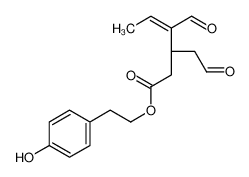
- 289030-99-5
- C17H20O5
- 304.33800
- All (1)
- China (0)
- (1)
- 1273095-06-9
- C19H20D6N2O6
- 384.45700
- All (1)
- China (0)
- (1)
Related Products More >

- 991-84-4
- Request For Quotation
- 991-84-4
- Request For Quotation
- 989-51-5
- Request For Quotation
- 96-69-5
- Request For Quotation
- 947-19-3
- Request For Quotation
- 90498-90-1
- Request For Quotation
- 90028-20-9
- Request For Quotation
- 85095-61-0
- Request For Quotation


Oleocanthal, a key component in olive oil, acts similarly to nonsteroidal anti-inflammatory drugs like ibuprofen. It works by inhibiting cyclooxygenases (COX-1 and COX-2), enzymes that help produce prostaglandins—substances that fuel inflammation. By blocking these enzymes, oleocanthal lowers the body’s production of pro-inflammatory molecules, easing inflammatory responses.
Polyphenols in olive oil, such as hydroxytyrosol and tyrosol, are potent antioxidants. They fight oxidative stress, a process tied to chronic inflammation, by neutralizing free radicals. This action helps calm inflammatory pathways, so polyphenols generally reduce inflammation rather than make it worse.
Hydroperoxides, which form when olive oil is heated—especially at high temperatures or with repeated use—are oxidative byproducts. In large amounts, these can trigger mild inflammation by prompting the release of pro-inflammatory cytokines, though this is more noticeable with excessive heating or reuse.
Virgin olive oil keeps more polyphenols and oleocanthal than refined versions, as refining (using high heat or chemicals) reduces these bioactive compounds. This means virgin olive oil typically has stronger anti-inflammatory effects, while refined olive oil may have weaker ones. In some cases, improperly refined olive oil might have more oxidation products, which could slightly boost pro-inflammatory potential.
Polyphenols in olive oil, which are antioxidants, usually cut down on inflammation. They fight oxidative stress, a process that harms cells and revs up inflammation. By clearing out free radicals, these polyphenols keep inflammation from getting worse.
Heating olive oil can create hydroperoxides as it oxidizes. These might kickstart mild inflammation, since oxidized fats can irritate cells. Virgin olive oil, with more polyphenols and natural parts left, tends to have stronger anti-inflammatory effects than refined kinds. Refined versions lose many of these helpful components during processing, so their effect on inflammation is weaker.
The polyphenolic profile of olive oil, particularly hydroxytyrosol and oleuropein, contributes to its anti-inflammatory effects through multiple mechanisms. These compounds scavenge reactive oxygen species and modulate NF-κB signaling, reducing cytokine production. However, the bioavailability of these polyphenols varies significantly between virgin and refined olive oil due to processing differences. Refined varieties undergo deodorization and bleaching that remove up to 90% of these beneficial compounds.
Thermal degradation of olive oil produces potentially pro-inflammatory compounds. When heated beyond its smoke point (typically 190-215°C for extra virgin), the oil undergoes oxidative polymerization, forming polar compounds and aldehydes such as 4-hydroxy-2-nonenal. These degradation products have demonstrated pro-inflammatory effects in vitro by activating Toll-like receptors and inducing cytokine release.
The difference between virgin and refined olive oil becomes particularly relevant in high-heat applications. Virgin olive oil maintains its polyphenolic content but degrades rapidly at high temperatures, while refined olive oil resists thermal decomposition better but lacks significant anti-inflammatory compounds. This creates a paradox where the healthier oil chemically degrades faster under cooking conditions, while the processed alternative maintains stability but offers diminished health benefits.
From an international trade perspective, these chemical properties create distinct market segments. Extra virgin olive oil commands premium prices for raw consumption or low-heat applications, while refined variants dominate industrial food processing where heat stability is prioritized over nutritional content. This dichotomy affects global consumption patterns, with Mediterranean countries consuming more virgin oil and processed foods containing refined oil in other regions. The health implications of these consumption patterns remain an active area of research in nutritional chemistry.
A particularly noteworthy anti-inflammatory compound found in extra virgin olive oil is oleocanthal. This phenolic compound has garnered significant attention for its remarkable similarity to the mechanism of action of ibuprofen. Research has shown that oleocanthal inhibits cyclooxygenase (COX) enzymes - specifically COX-1 and COX-2 - which are responsible for the synthesis of prostaglandins, potent mediators of inflammation and pain. What makes oleocanthal particularly interesting is its ability to induce a similar anti-inflammatory effect as ibuprofen but through a natural dietary source, potentially offering a way to reduce reliance on nonsteroidal anti-inflammatory drugs (NSAIDs) for mild to moderate pain and inflammation.
A key anti-inflammatory component in extra virgin olive oil is oleocanthal, a phenolic compound that exhibits similar anti-inflammatory mechanisms to ibuprofen. Research indicates that oleocanthal inhibits cyclooxygenase (COX) enzymes, which are responsible for producing prostaglandins involved in inflammation and pain signaling. This discovery has significant implications for using dietary interventions to support inflammatory conditions without pharmaceutical side effects.
The polyphenol profile of olive oil contributes substantially to its anti-inflammatory effects. Compounds such as hydroxytyrosol and tyrosol demonstrate potent antioxidant activity, neutralizing free radicals that can trigger inflammatory responses at the cellular level. These polyphenols also enhance endothelial function and may help regulate immune system activity, further contributing to their anti-inflammatory benefits.
When olive oil is subjected to high heat during cooking, chemical changes occur that may affect its inflammatory properties. The formation of hydroperoxides, primary oxidation products, can potentially generate pro-inflammatory compounds if consumed in excessive amounts. However, the extent of this transformation depends heavily on factors such as temperature, duration of heating, and the oil's initial quality. Virgin olive oils, particularly extra virgin varieties, demonstrate greater resistance to thermal degradation due to their higher polyphenol content and natural antioxidant defenses.
Significant differences exist between virgin and refined olive oils regarding their inflammatory effects. Virgin olive oils retain their natural phenolic compounds because they undergo minimal processing, preserving their anti-inflammatory potential. In contrast, refined olive oils lose much of their phenolic content during processing, resulting in a product with lower antioxidant capacity and potentially reduced anti-inflammatory benefits. The higher smoke point of refined oils may encourage their use in high-heat cooking, but this advantage is counterbalanced by their diminished health-promoting properties.