


 Home
Home
Hi, I'd like to ask—What are the main components that make up olive oil, beyond just being derived from olives? What percentages of oleic acid, linoleic acid, and palmitic acid are typically present? Are there natural compounds like polyphenols and stearic acid that are always part of its makeup? Does the ripeness of olives affect the types and amounts of these components in the final oil? Thanks!
What is olive oil made of in terms of primary components, natural compounds, and extraction sources?
Related Encyclopedia
- 2190-14-9
- C57H104O6
- 885.43200
- All (0)
- China (0)
- (0)

- 119369-47-0
- C34H66O3
- 522.88600
- All (0)
- China (0)
- (0)
- 917499-66-2
- C58H116N8O4
- 989.59300
- All (0)
- China (0)
- (0)
- 917499-67-3
- C56H112N8O4
- 961.54000
- All (0)
- China (0)
- (0)
- 5027-60-1
- C18H32O2
- 280.44500
- All (25)
- China (7)
- (25)

- 60-33-3
- C18H32O2
- 280.45
- All (25)
- China (7)
- (25)
- 4906-90-5
- C18H32O2
- 280.44500
- All (25)
- China (7)
- (25)

- 112-80-1
- C18H34O2
- 282.46
- All (141)
- China (22)
- (141)
- 141903-93-7
- C17H35N
- 253.46600
- All (141)
- China (22)
- (141)

- 60605-23-4
- C16H32O2
- 256.42400
- All (57)
- China (10)
- (57)
Related Products More >

- 60-33-3
- USD 30.0000
- 25kg
- CAS 57-11-4
- USD 800.0000
- 25kg
- 57-11-4
- USD 12.0000
- 25kg
- 989-51-5
- Request For Quotation
- 93-83-4
- Request For Quotation
- 25kg/drum
- 93-83-4
- Request For Quotation
- Bottle,barrel,cargo,container,etc.
- 93-83-4
- Request For Quotation
- 93-83-4
- Request For Quotation


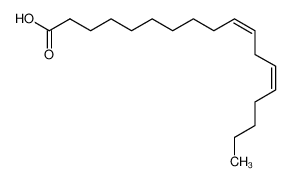
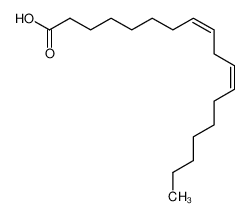
Oleic acid, a monounsaturated fatty acid, is the most prominent, usually making up 55% to 83% of the oil. Linoleic acid, a polyunsaturated fatty acid, typically ranges from 3.5% to 21%. Palmitic acid, a saturated fatty acid, generally accounts for 7.5% to 20% of the composition.
Polyphenols such as hydroxytyrosol and oleuropein are natural antioxidants present in olive oil, though their amounts can vary. Stearic acid, another saturated fatty acid, is also consistently found, usually at levels between 0.5% and 5%. These compounds are inherent to olive oil’s makeup, though their concentrations are influenced by factors like olive type and production methods.
The ripeness of olives has a clear impact on these components. Less ripe olives tend to produce oil with higher polyphenol levels and more oleic acid, along with a more intense flavor. As olives ripen, polyphenol content decreases, and the proportion of linoleic acid may increase slightly, while oleic acid levels can drop. This change in ripeness alters both the chemical composition and the sensory characteristics of the final oil.
What truly distinguishes high-quality olive oil are its minor - but profoundly important - bioactive compounds. Polyphenols represent one of the most significant classes, with hydroxytyrosol and tyrosol being the most studied. These compounds are powerful antioxidants that contribute to the oil's bitterness and pungency, particularly in extra virgin varieties. Oleocanthal, another phenolic compound, has garnered attention for its ibuprofen-like anti-inflammatory properties. The oil also contains squalene, a triterpene compound that makes up 0.5-5% of the composition and exhibits notable antioxidant activity. Phytosterols, primarily β-sitosterol, typically constitute 1-2% of the oil and play a role in cholesterol metabolism.
The ripening process of olives induces significant biochemical changes that directly affect the oil's composition. In early harvest olives (typically harvested when still green), polyphenol synthesis reaches its peak as a natural defense mechanism against pests and environmental stressors. This results in oil with maximum antioxidant potential but also more aggressive sensory characteristics. As olives progress through veraison (color change) to full ripeness, polyphenol content gradually declines by as much as 50-60%. However, the oil from riper olives develops more complex flavor profiles with sweeter notes and reduced bitterness. The fatty acid profile remains relatively stable, though very late harvesting may slightly increase linoleic acid content due to increased metabolic activity in the fruit.
Processing methods further influence the final composition. Cold extraction preserves heat-sensitive polyphenols and volatile compounds that contribute to aroma and flavor. The malaxation temperature and duration significantly affect the volatile compound profile, while filtration decisions impact the polyphenol retention. Storage conditions - particularly exposure to light, heat, and oxygen - determine the oil's shelf life and the persistence of its beneficial compounds. This intricate interplay of natural composition and human processing choices ultimately determines the oil's quality, nutritional profile, and sensory characteristics.
Natural compounds like polyphenols, such as hydroxytyrosol and oleuropein, are almost always there, though their amounts change. Stearic acid, another saturated fat, is also present, often around 1 to 5 percent.
How ripe the olives are when pressed matters. Less ripe ones tend to have more polyphenols and a bit more oleic acid. As they ripen, polyphenol levels drop, and the fatty acid balance shifts a little—linoleic acid might go up slightly.
Fatty acid distribution represents the most quantifiable aspect of olive oil's composition. Oleic acid (C18:1), a monounsaturated fatty acid, typically constitutes 55-83% of the total fatty acids, providing the oil with its characteristic stability against oxidation. Linoleic acid (C18:2), a polyunsaturated fatty acid, appears in smaller quantities (3.5-21%), while palmitic acid (C16:0) ranges from 7.5-20%. Stearic acid (C18:0) is present in trace amounts (0.5-5%). These proportions can vary significantly based on olive variety, climate conditions, and ripeness at harvest.
The minor components include several classes of biologically active compounds. Polyphenols, primarily hydroxytyrosol and oleuropein derivatives, exist in concentrations of 50-800 mg/kg, with their levels directly correlated to the oil's antioxidant capacity. Tocopherols, particularly α-tocopherol (5-20 mg/kg), contribute to vitamin E activity, while phytosterols (mainly β-sitosterol at 100-200 mg/kg) and squalene (50-300 mg/kg) add to the oil's nutritional profile.
Ripeness at harvest profoundly affects the oil's chemical composition. Early-harvest olives yield oil with higher polyphenol content (up to 800 mg/kg) and more pronounced bitterness due to elevated secoiridoid concentrations. As olives ripen, the fatty acid profile shifts slightly, with palmitic acid increasing by 1-2% and oleic acid decreasing by 3-5%. Chlorophyll and carotenoid pigments also change, affecting both color and oxidative stability.
These compositional variations have direct implications for olive oil classification. Extra virgin olive oil must meet stringent chemical criteria, including free acidity below 0.8% and specific sensory parameters, which are directly influenced by the factors discussed. Understanding these relationships is essential for both producers optimizing quality and consumers making informed choices. The International Olive Council's standards provide specific chemical profiles for different ripeness stages, highlighting the importance of harvest timing in determining final oil composition.