


 Home
Home
Hi, I'd like to ask—When olive oil is applied to the scalp, how do its components like oleic acid and linoleic acid interact with the natural oils produced by the scalp? Can the vitamin E and sterols in olive oil be absorbed by hair follicles to improve scalp health? Might squalene in olive oil help with scalp dryness, or could it cause buildup if used too often? Are there any differences in effects based on how long the oil is left on the scalp? Thanks!
What happens if you put olive oil in your scalp regarding its interaction with scalp oils, nutrient absorption, and potential effects?
Related Encyclopedia
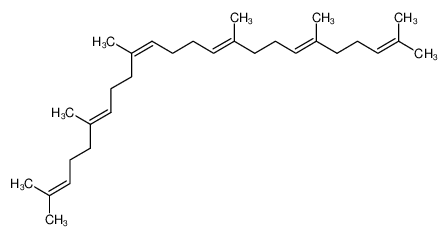
- 24566-13-0
- C30H50
- 410.71800
- All (14)
- China (12)
- (14)

- 111-02-4
- C30H50
- 410.72
- All (14)
- China (12)
- (14)

- 7683-64-9
- C30H50
- 410.72
- All (14)
- China (12)
- (14)
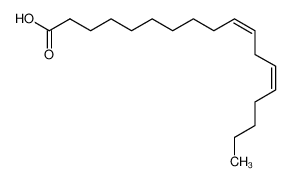
- 5027-60-1
- C18H32O2
- 280.44500
- All (25)
- China (7)
- (25)

- 60-33-3
- C18H32O2
- 280.45
- All (25)
- China (7)
- (25)
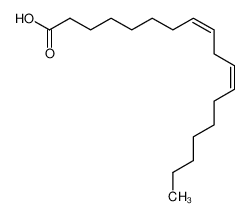
- 4906-90-5
- C18H32O2
- 280.44500
- All (25)
- China (7)
- (25)

- 112-80-1
- C18H34O2
- 282.46
- All (141)
- China (22)
- (141)
- 141903-93-7
- C17H35N
- 253.46600
- All (141)
- China (22)
- (141)
- 67629-40-7
- C30H49ClO3
- 493.16100
- All (38)
- China (12)
- (38)

- 59-02-9
- C29H50O2
- 430.71
- All (38)
- China (12)
- (38)
Related Products More >

- CNY Request For Quotation
- CNY Request For Quotation
- CNY Request For Quotation
- 2074-53-5
- CNY 30.0000
- 25kg
- 60-33-3
- USD 30.0000
- 25kg
- 30999-06-5
- Request For Quotation
- 50kg
- 30999-06-5
- Request For Quotation
- 1kg
- 93-83-4
- Request For Quotation
- 25kg/drum


Vitamin E and sterols in olive oil may be absorbed by the scalp and hair follicles. Vitamin E, an antioxidant, can fight oxidative stress in follicles, which harms scalp health over time. Sterols, with anti-inflammatory properties, may soothe irritation, supporting a healthier follicle environment. Absorption depends on the scalp’s condition—dry or damaged scalps may take in more, while very oily scalps might limit how much gets absorbed.
Squalene in olive oil, which is similar to the scalp’s natural squalene, can ease dryness by mimicking and strengthening the skin’s lipid barrier. But using it too often may cause buildup: squalene, though lighter than some fatty acids, can accumulate on the scalp if not washed out well, possibly clogging pores or making hair feel heavy.
How long the oil is left on affects results. Leaving it on for 30 minutes to an hour lets key components penetrate without too much buildup, working well for moisturizing. Longer times, like overnight, may increase greasiness or buildup, especially for oily scalps, as the scalp keeps producing sebum while the oil sits, leading to excess oil.
Vitamin E and sterols, which are antioxidants, seem to absorb into the scalp’s top layers. They might ease irritation from dryness or environmental factors, though I don’t think they reach deep into hair follicles. Even surface benefits could support the scalp’s protective barrier, though.
Squalene in olive oil is good for dryness; it’s light and similar to the skin’s own hydrating substances. But overuse causes buildup. I tested it: leaving it on for 10 minutes before washing makes hair soft, but overnight leaves it greasy and flat. Timing matters more than I thought.
Linoleic acid, though present in smaller quantities (3.5-21%), contributes significantly to maintaining the integrity of the stratum corneum. As an essential polyunsaturated fatty acid, it incorporates into ceramide structures, potentially enhancing the skin barrier function. This mechanism is particularly relevant for scalps exhibiting signs of flakiness or compromised barrier integrity.
The antioxidant properties of vitamin E (primarily α-tocopherol) and phytosterols in olive oil manifest through their interaction with the scalp's lipid-rich environment. While complete penetration into hair follicles remains unlikely due to the stratum corneum's barrier function, these compounds can modulate oxidative stress within the pilosebaceous unit. Their presence may help mitigate environmental damage to both scalp skin and hair follicles.
Squalene, constituting 4-10% of olive oil, demonstrates exceptional lipophilicity that facilitates deep penetration into the skin's lipid layers. This property makes it particularly effective for addressing dryness, though frequent application risks creating an occlusive environment that may disrupt normal sebum production and microbial balance.
Application duration significantly influences these effects. Short-term treatments (30-60 minutes) primarily affect surface conditioning, while extended exposure allows for deeper penetration of active compounds. However, prolonged contact increases the potential for altering the scalp's natural microbial flora, particularly in individuals predisposed to seborrheic conditions. The dose-response relationship between application time and scalp response underscores the need for individualized approaches to hair care regimens.
Vitamin E in olive oil, primarily α-tocopherol, demonstrates measurable absorption into hair follicles. Research indicates topical vitamin E can reduce oxidative stress markers in scalp tissues, potentially improving follicular health and supporting hair growth cycles. The plant sterols in olive oil, particularly β-sitosterol, may help regulate sebaceous gland activity, though their absorption through the scalp's keratinized layer is limited compared to other administration routes.
Squalene, making up 4-12% of olive oil, shows remarkable affinity for the skin's natural lipids. Its chemical similarity to human sebum allows it to integrate seamlessly into the scalp's lipid matrix, providing intense hydration. However, frequent application risks product buildup as squalene oxidizes into squalane, which can potentially clog hair follicles over time. This oxidation process may particularly affect individuals prone to follicular occlusion or seborrheic dermatitis.
The duration of olive oil application significantly influences its effects on the scalp. Short-term applications (15-30 minutes) primarily provide surface-level conditioning benefits, helping to detangle hair and add shine without significantly affecting the scalp's oil balance. Intermediate durations (30-60 minutes) allow for deeper penetration of active compounds, making this the optimal timeframe for therapeutic treatments targeting dryness or mild inflammation. Extended leave-on times (beyond 8 hours) maximize absorption of beneficial phytochemicals but also increase the risk of product accumulation, particularly for individuals with fine or low-porosity hair. The frequency of application should be carefully calibrated based on individual response; while some may benefit from daily use, others may need to limit applications to 2-3 times per week to prevent buildup.
Scalp conditions profoundly modify these interactions. For oily scalps, the comedogenic potential of oleic acid may trigger increased sebum production, potentially exacerbating existing oiliness. Conversely, dry scalps often respond well to squalene's emollient properties, which can help restore moisture balance without overwhelming the skin. Individuals with seborrheic dermatitis should exercise particular caution, as olive oil's fatty acids might provide nourishment for Malassezia yeasts in some cases, potentially worsening flaking and itching. Patch testing remains essential before implementing any olive oil regimen, and alternating with clarifying treatments helps prevent product accumulation. The optimal application frequency and duration should be adjusted based on individual scalp response, hair type, and specific dermatological conditions.