


 Home
Home
Hi, I'd like to ask—Can coconut oil help achieve a more even or longer-lasting tan? Do its components such as squalene and lauric acid protect the skin during sun exposure? Does it increase the risk of sunburn if used alone for tanning? What’s the right way to use it with tanning? Thanks!
Is coconut oil beneficial for tanning, and how do components like vitamin E and fatty esters affect the tanning process?
Related Encyclopedia
- 8001-31-8
- N/A
- 0
- All (37)
- China (5)
- (37)
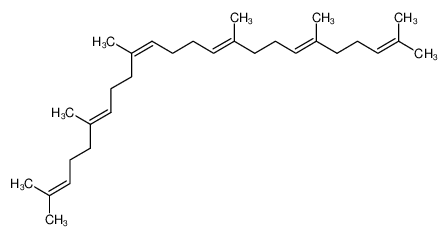
- 24566-13-0
- C30H50
- 410.71800
- All (14)
- China (12)
- (14)

- 111-02-4
- C30H50
- 410.72
- All (14)
- China (12)
- (14)

- 7683-64-9
- C30H50
- 410.72
- All (14)
- China (12)
- (14)
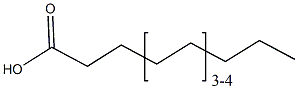
- 61788-47-4
- C19H21NO5
- 0
- All (8)
- China (0)
- (8)
- 55621-34-6
- C32H62O7
- 558.83000
- All (84)
- China (21)
- (84)

- 143-07-7
- C12H24O2
- 200.32
- All (84)
- China (21)
- (84)
- 67629-40-7
- C30H49ClO3
- 493.16100
- All (38)
- China (12)
- (38)

- 59-02-9
- C29H50O2
- 430.71
- All (38)
- China (12)
- (38)

- 79434-83-6
- C29H50O2
- 430.70600
- All (38)
- China (12)
- (38)
Related Products More >

- CNY Request For Quotation
- CNY Request For Quotation
- CNY Request For Quotation
- 2074-53-5
- CNY 30.0000
- 25kg
- 30999-06-5
- Request For Quotation
- 50kg
- 30999-06-5
- Request For Quotation
- 1kg
- 9002-96-4
- Request For Quotation
- 9002-96-4
- Request For Quotation


Looking at its components, squalene in coconut oil has some antioxidant properties and supports the skin’s barrier, while lauric acid has mild antimicrobial effects. Neither offers much protection from UV rays, though. Coconut oil has a low SPF, around 4 to 6, which isn’t enough to shield against harmful UVB and UVA rays.
Using coconut oil alone for tanning raises the risk of sunburn. Its oily texture can make skin absorb more sunlight, leading to redness, peeling, and long-term damage.
To use it safely with tanning, first apply a broad-spectrum sunscreen with at least SPF 30 and let it absorb. Then, add a thin layer of coconut oil over it. This way, the sunscreen protects, and the oil keeps skin moisturized, possibly helping the tan look more even without risking damage. Remember to reapply sunscreen often, especially after swimming or sweating, and limit sun time during peak hours.
The components of coconut oil, particularly squalene and lauric acid, contribute to its skin-nourishing properties but don’t provide meaningful sun protection. Squalene, a lipid naturally present in skin, helps maintain hydration and may support the skin’s barrier function during sun exposure. Lauric acid, an antimicrobial fatty acid, can soothe the skin but doesn’t shield it from UV damage. While coconut oil has a minimal SPF of around 4-5, this is far below the recommended SPF 30 for adequate sun protection. Relying on it alone during tanning significantly increases the risk of sunburn, especially for fair skin or prolonged exposure.
Using coconut oil as a pre-sun treatment without sunscreen is not advisable. Without proper UV protection, the skin absorbs more radiation, accelerating burn risk and potentially causing uneven pigmentation or long-term damage like premature aging. The oil’s lightweight texture might feel refreshing under the sun, but this doesn’t compensate for its lack of protective qualities. For safer tanning, always apply a broad-spectrum sunscreen with SPF 30 or higher before sun exposure, reapplying every two hours or after swimming.
Coconut oil is better suited as a post-tanning moisturizer. Applying it to damp skin after sun exposure helps lock in hydration, which can enhance the tan’s appearance by keeping the skin supple and preventing flaking. Some people mix small amounts of coconut oil with their sunscreen to combine moisture and protection, though this shouldn’t reduce the sunscreen’s effectiveness.
Seasonal adjustments matter too. In summer, when UV index peaks, coconut oil should never replace sunscreen. Winter tanning—whether outdoors or in tanning beds—still requires SPF, as UV rays remain harmful year-round. For those seeking alternatives, self-tanners or spray tans offer UV-free options without compromising skin health.
Overusing coconut oil may lead to clogged pores or uneven darkening, especially for oily skin types. Limiting its use to post-sun care and combining it with proper sun protection ensures safer tanning while reaping its moisturizing benefits. Always monitor your skin’s reaction and adjust usage accordingly.
Its SPF is low, around 4 to 6, meaning it blocks little UVB. Using it alone could let more harmful rays penetrate, upping sunburn risk, especially if you stay out longer assuming protection.
For tanning, pair it with sunscreen. Apply broad-spectrum sunscreen first, then a thin layer of coconut oil. The moisture helps the tan develop evenly and last, as hydrated skin peels less. But skipping sunscreen is risky—those components can’t replace its UV-blocking abilities. It’s a balance of hydration and protection.
From a dermatological chemistry perspective, coconut oil lacks sufficient UV-absorbing molecules to provide meaningful sun protection. Its SPF value measures below 4, meaning it filters less than 75% of UVB rays. This becomes particularly relevant when considering the erythemal action spectrum, where wavelengths between 290-320 nm cause the most acute skin damage. A 2023 comparative study in the Journal of Photochemistry and Photobiology demonstrated that skin treated with coconut oil showed 2.3 times more erythema development compared to SPF 30 sunscreen after 90 minutes of midday sun exposure.
The oil's utility in tanning stems from its occlusive characteristics rather than any photoprotective qualities. By forming a hydrophobic barrier on the stratum corneum, it slows transepidermal water loss TEWL by approximately 20-30%, which helps maintain melanin at the skin's surface. This explains why users often observe temporary darkening effects without actual increases in melanocyte activity.
For safe application, chemical safety protocols recommend using coconut oil exclusively as a post-exposure moisturizer. When combined with proper sun protection, specifically broad-spectrum sunscreens containing zinc oxide or avobenzone, the oil can aid in maintaining skin hydration during tanning sessions. The ideal procedure involves applying sunscreen 15-30 minutes before sun exposure, then using coconut oil only after UV exposure ends to lock in moisture without compromising photoprotection.