


 Home
Home
As the $22.6 billion cosmetic chemicals market pivots hard toward natural ingredients and sustainability, are traditional petrochemical suppliers at risk of being left behind?
Beauty Chemicals Revolution: Can Big Chem Keep Up With the Clean & Conscious Consumer?
Related Encyclopedia
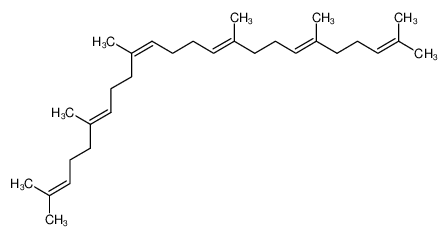
- 24566-13-0
- C30H50
- 410.71800
- All (14)
- China (12)
- (14)

- 111-02-4
- C30H50
- 410.72
- All (14)
- China (12)
- (14)

- 7683-64-9
- C30H50
- 410.72
- All (14)
- China (12)
- (14)
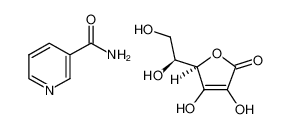
- 1987-71-9
- C12H14N2O7
- 298.25000
- All (0)
- China (0)
- (0)
- 121678-32-8
- C30H51Cl
- 447.17900
- All (0)
- China (0)
- (0)
- 136537-77-4
- C29H52N2
- 428.73700
- All (0)
- China (0)
- (0)
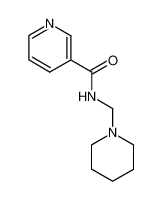
- 5259-92-7
- C12H17N3O
- 219.28300
- All (0)
- China (0)
- (0)
- 124870-09-3
- C31H54Si
- 454.84600
- All (0)
- China (0)
- (0)

- 14031-37-9
- C30H52O2
- 444.74
- All (0)
- China (0)
- (0)
- 76540-32-4
- C30H44D6
- 416.75500
- All (0)
- China (0)
- (0)
Related Products More >

- 98-92-0
- Request For Quotation
- 98-92-0
- Request For Quotation
- 98-92-0
- Request For Quotation
- 98-92-0
- Request For Quotation
- 98-92-0
- Request For Quotation
- 98-92-0
- Request For Quotation
- 98-92-0
- Request For Quotation
- 98-92-0
- Request For Quotation


The beauty industry's chemical menu is getting a radical makeover. Forget your grandma's petroleum-based creams – today's consumers want plant-powered, sustainable potions that won't guilt-trip their Instagram feeds. But here's the billion-dollar question: Can chemical giants reformulate fast enough to stay relevant?
1. The Green Ingredient Gold Rush
The numbers don't lie:
3.2% annual growth in cosmetic chemicals
2/3 of market still in NA/China/Europe
Exploding demand in LATAM/Middle East/Africa
But the real story? Ditch the dirty chemicals or die. Consumers are swapping:
→ Silicones for squalene (olive-derived)
→ Parabens for ferulic acid (plant antioxidant)
→ Petroleum jelly for shea butter esters
"It's not just tree-huggers anymore," says S&P's report. Even mainstream buyers now check for "free-from" lists before swiping their credit cards.
2. Petrochemical Players in Panic Mode?
Traditional suppliers are scrambling:
BASF now offers 50% bio-based surfactants
Dow reformulating with upcycled agricultural waste
But... Can they compete with agile startups like Biossance (sugar-cane squalane) on price?
The irony? Some "natural" ingredients require more energy/land than synthetics. Sustainability claims are getting murky fast.
3. The New Battlefronts
a) Sunscreen Wars
With skin cancer fears soaring, zinc oxide & titanium dioxide nanoparticles are hot – but now facing microplastic scrutiny. Next-gen? Algae-derived UV blockers.
b) Hair Skincare-ification
Your shampoo now needs:
Hyaluronic acid (for scalp "hydration")
Niacinamide (anti-flaking)
CBD isolates (because why not?)
c) Global Formulation Headaches
Middle East: Alcohol-free (halal-compliant)
Africa: Melanin-enhancing actives
Asia: Lightweight "glass skin" textures
4. The AI Beauty Lab Rat
Startups are using machine learning to:
Predict ingredient interactions
Customize formulas by skin microbiome
Cut R&D time from years to weeks
But regulatory bodies can't keep up with these Frankenstein formulations. Safety testing is the new bottleneck.
Big chemical firms (e.g., BASF, Dow) are investing in green chemistry and biotech innovations (e.g., fermentation-derived hyaluronic acid) to replace synthetics. However, scalability and cost remain hurdles, as indie brands outpace corporates in niche formulations. Regulatory pressures (e.g., EU’s PFAS bans) add urgency. To stay competitive, traditional players must accelerate R&D partnerships and transparent sourcing—or risk losing market share to agile, eco-driven startups.
Market Shifts & Innovations (2024 Update)
Ingredient Revolution: 68% of new European beauty launches now feature biodegradable actives, with plant-derived squalane replacing 40% of traditional silicones
Regional Preferences: Middle Eastern markets show 300% growth in halal-certified cosmetics, while Africa's natural ingredient segment expands at 15% CAGR
Tech Disruption: L'Oréal's new AI platform can develop customized serum formulas in 72 hours (vs 6 months traditionally)
Emerging Consumer Behaviors
The "Skinification" Wave:
Haircare products now incorporate skincare actives like niacinamide (28% of premium shampoos)
Scalp microbiome solutions projected to become $1.2B niche by 2027
Hyper-Personalization:
AI-powered skin diagnostics driving demand for tailored vitamin blends
3D-printed makeup matching 500+ skin tones in emerging markets
Cultural Formulations:
Brazil's baru oil and India's ashwagandha becoming global superstar ingredients
Korean beauty labs developing climate-specific formulas for tropical markets
Sustainability Pressures
EU's new Ecodesign Regulation bans 1,300 "forever chemicals" from 2026
78% of Gen Z consumers now check ingredient biodegradability before purchasing
Major brands face NGO lawsuits over greenwashing in "natural" claims